What it is
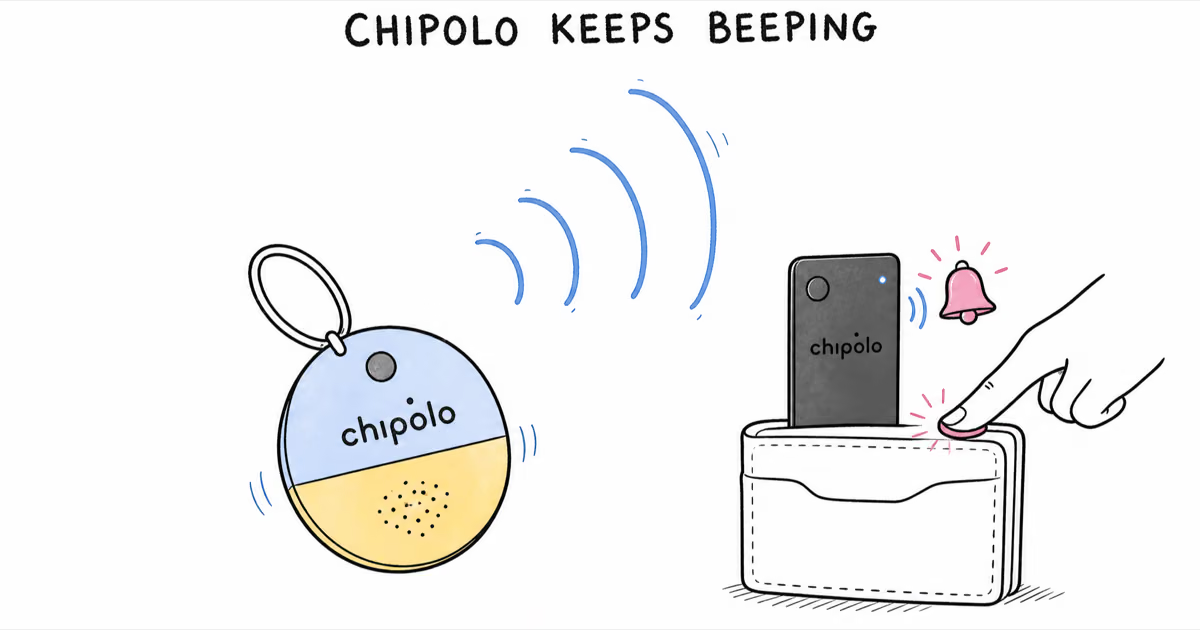
A Slovenian brand shipping coin- and card-sized Bluetooth trackers since its 2013 Kickstarter — 3M+ sold. No GPS, no cellular; a loud speaker is what sets it apart from quieter rivals.
◎ Guide · Cross-network
For over a decade Chipolo has built the loudest small trackers on the market, and its 2026 lineup now reaches both Apple and Google users. Here's every current model, who each one fits — and the one rule that defines the brand.
A Slovenian brand shipping coin- and card-sized Bluetooth trackers since its 2013 Kickstarter — 3M+ sold. No GPS, no cellular; a loud speaker is what sets it apart from quieter rivals.
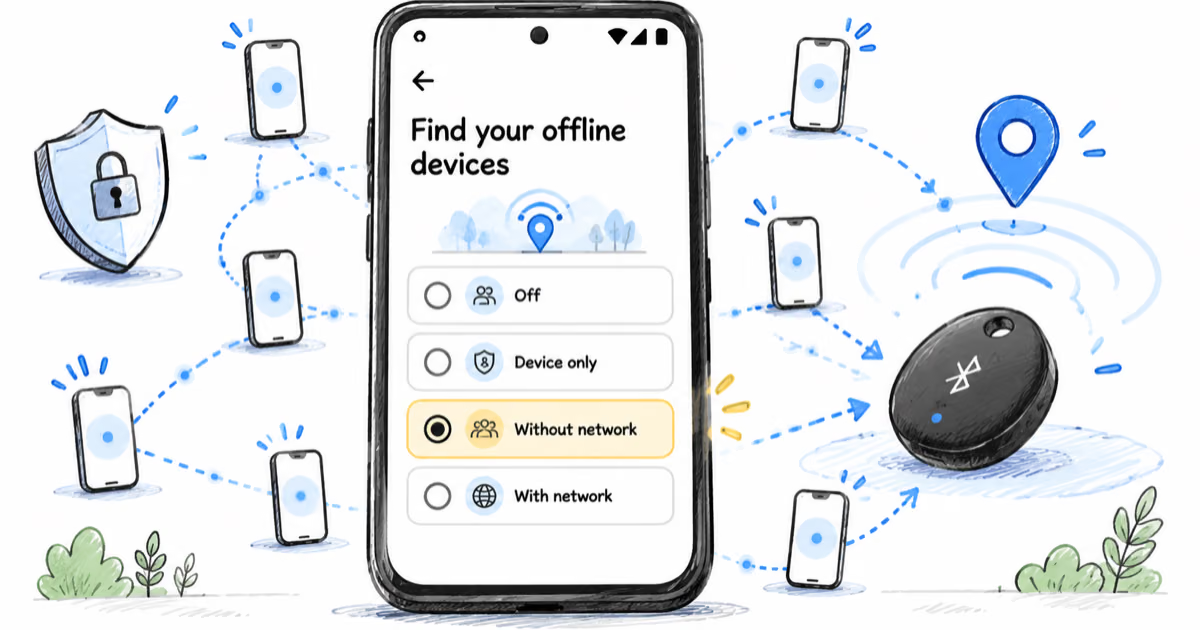
It's the cross-network choice: a Chipolo can register to Apple Find My or Google Find Hub, which is why Android and mixed-platform homes keep coming back. No subscription, ever.
Pick it for Android and mixed households that want loud, subscription-free finding. Skip it if you're iPhone-only and crave the UWB arrow (get an AirTag), or if you need real-time GPS.
Reading map
Follow the sequence, or jump directly to the part of ownership you need.
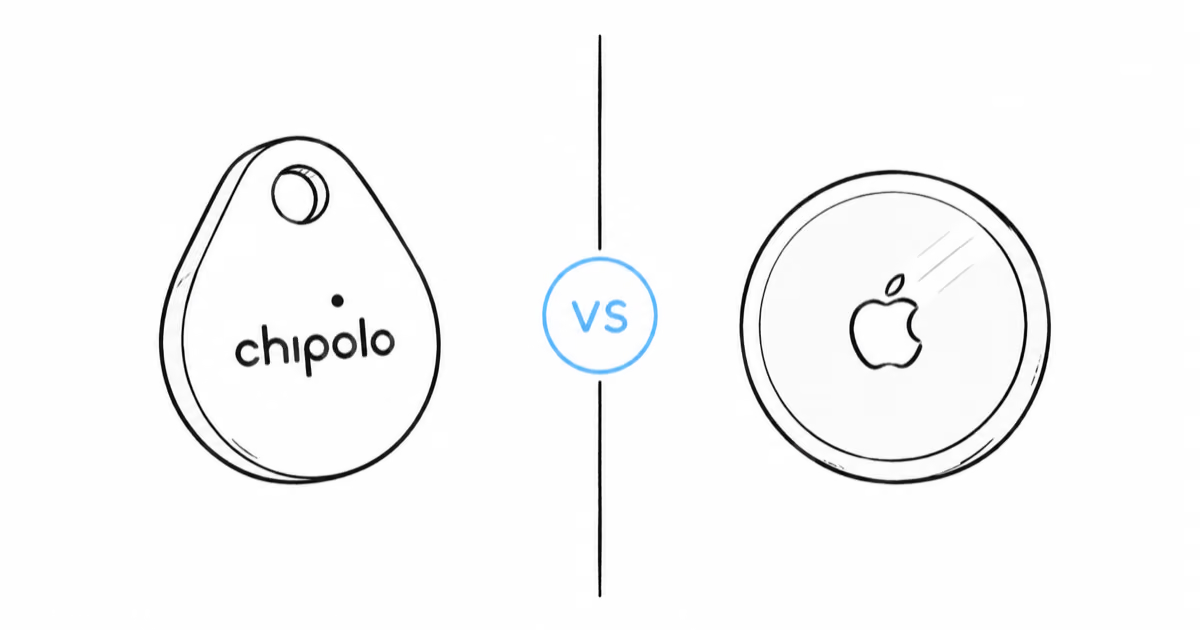
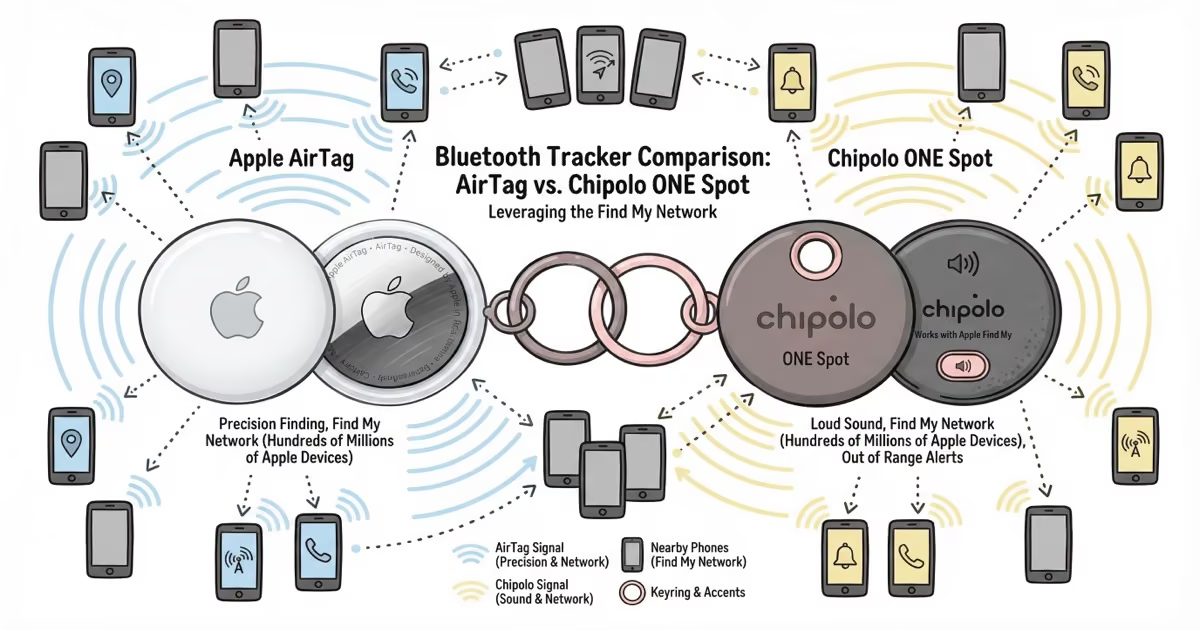
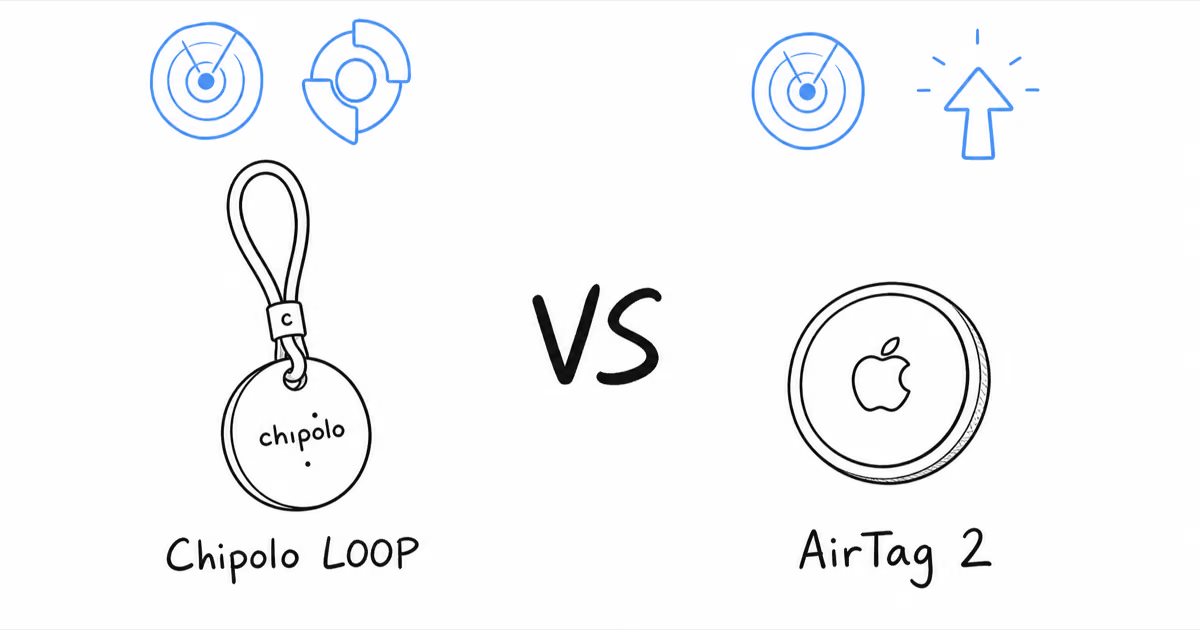
Chipolo builds coin- and card-sized Bluetooth trackers for keys, wallets and bags. The hardware stays simple — no GPS, no cellular radio — it broadcasts a Bluetooth signal that any phone on the same finder network reports back as a location. What separates it from AirTag is network reach: AirTag locks to Apple Find My, so it's iPhone-only, while Chipolo lets you register a tag to Apple Find My or Google Find Hub. Tile is the closest philosophical match, but Chipolo joins the native Apple and Google networks directly while Tile leans on its own app-based network — a gap that matters most in low-density areas.
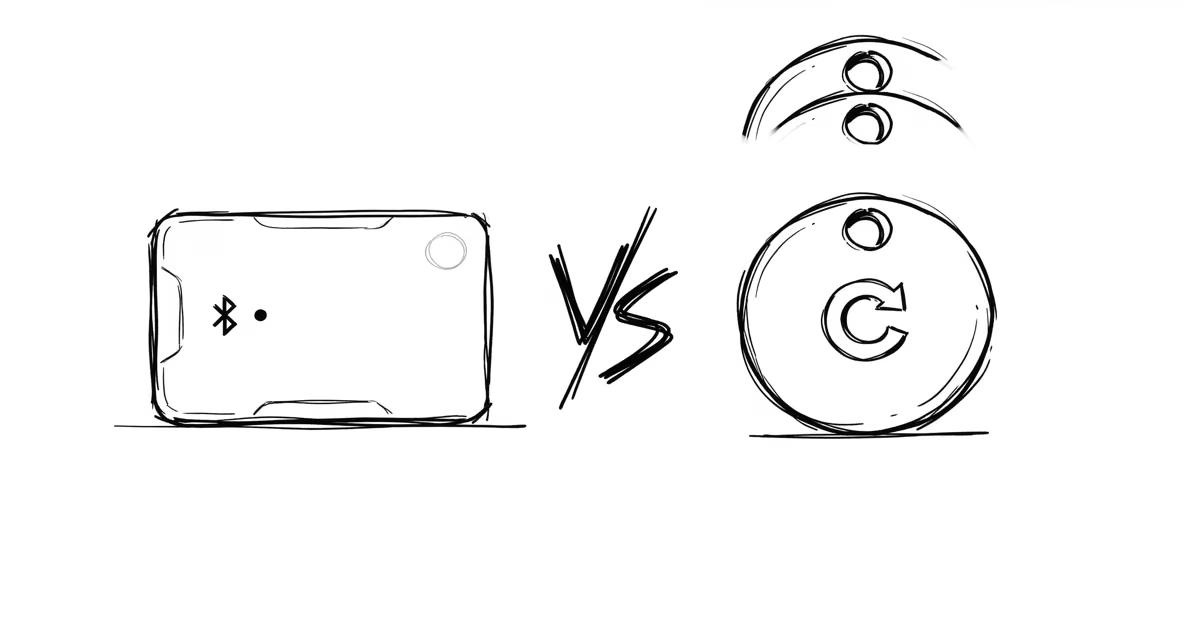
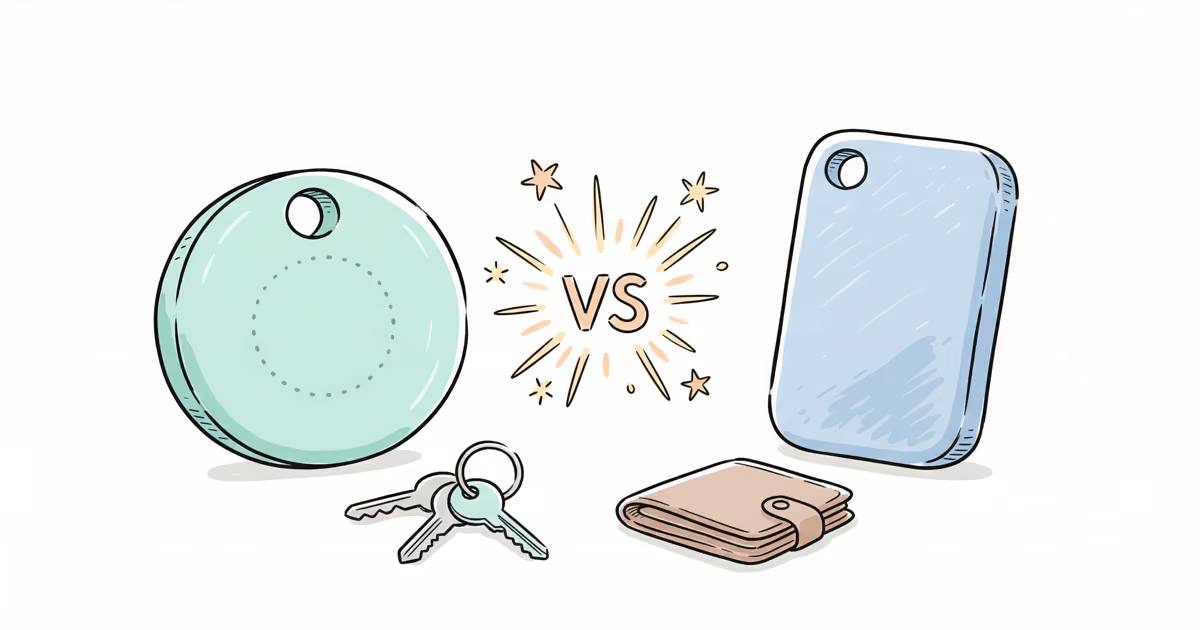
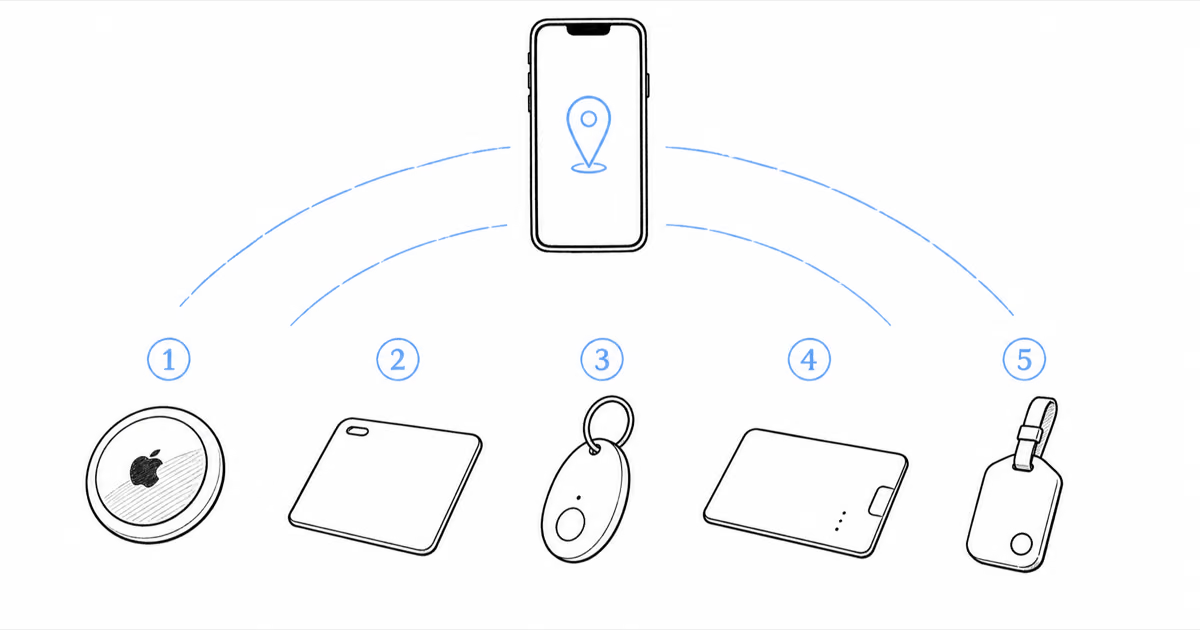
The current range is one coin tracker and three flat or premium designs: the Pop is the all-rounder, the CARD slides into a wallet, the LOOP clips to keys, and the x Secrid Miniwallet bakes a tracker into genuine leather. They share one app, one finder model, and zero subscription fees. The one rule that defines the brand: there's no "dual-network" Chipolo that runs Apple and Google at once. Each tag connects to one network per registration, and switching means a factory reset and fresh pairing.
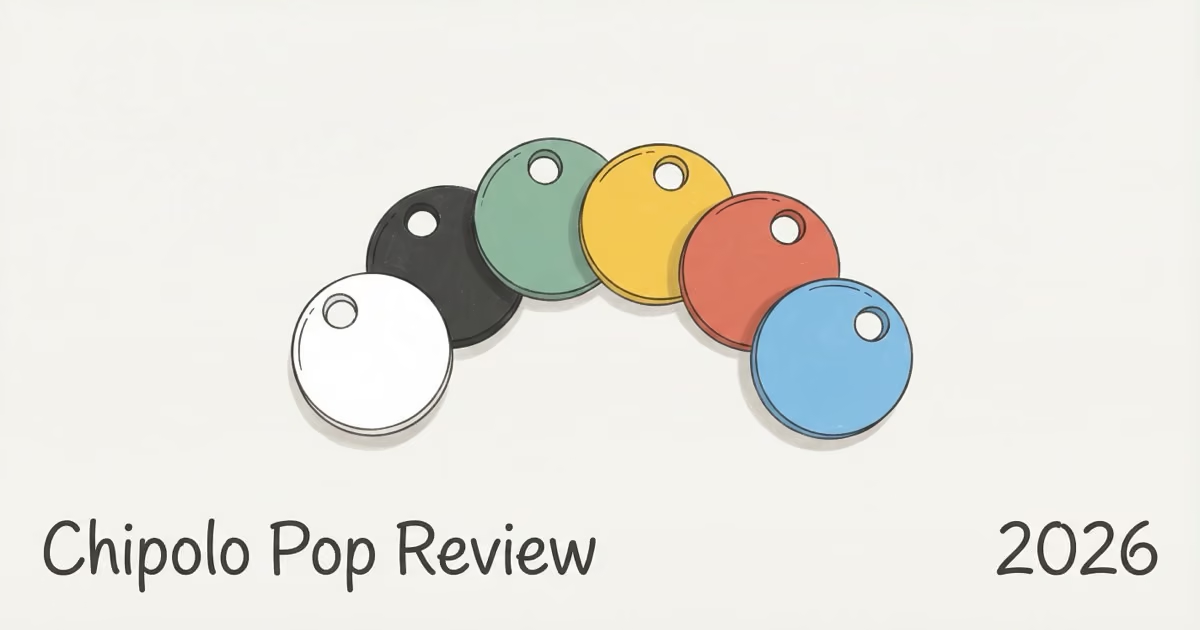
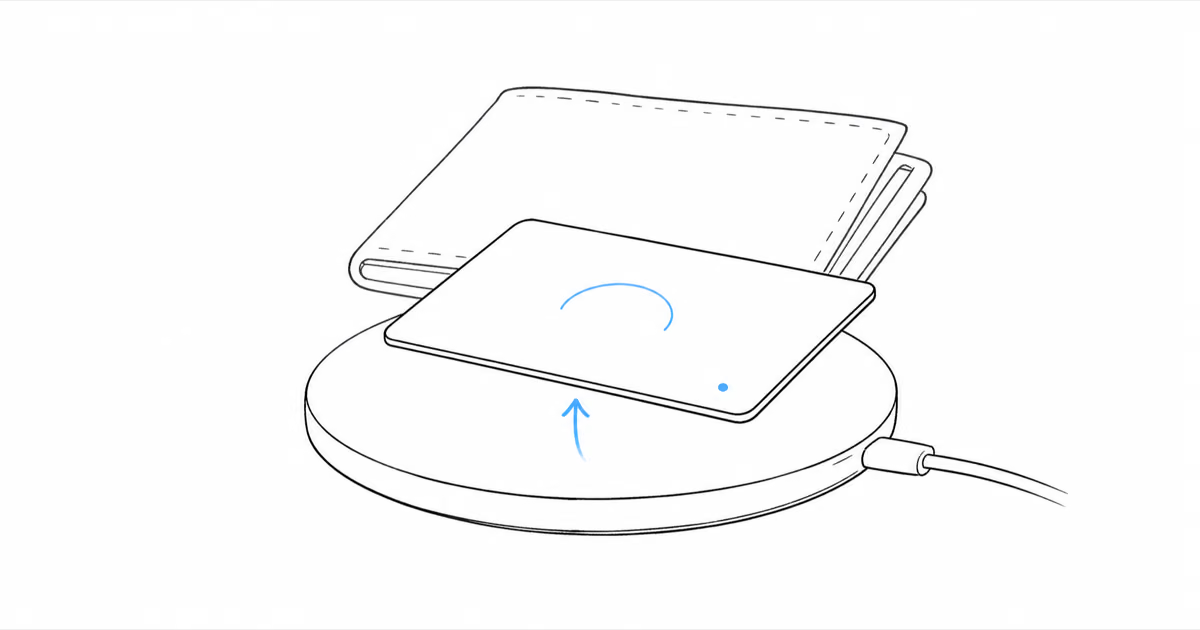
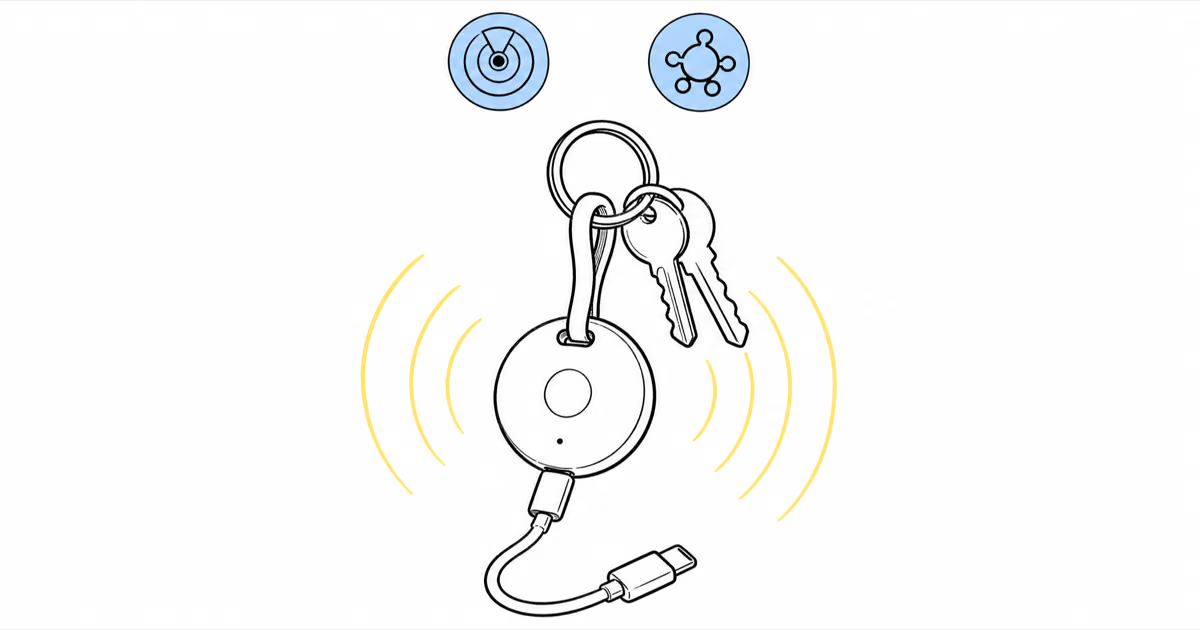
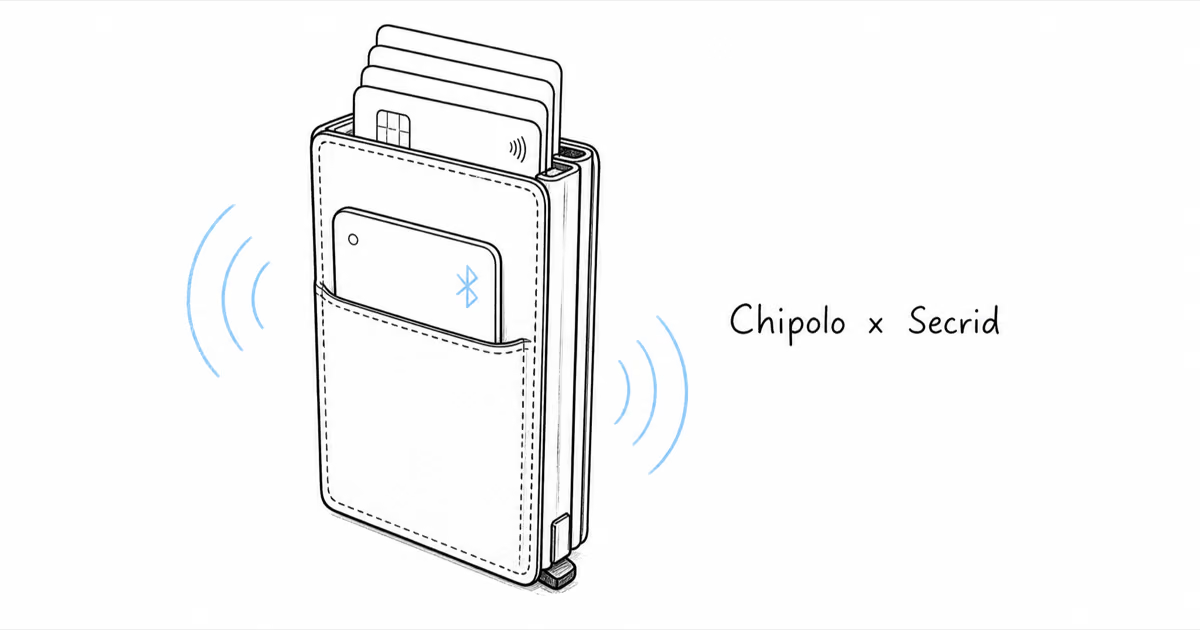
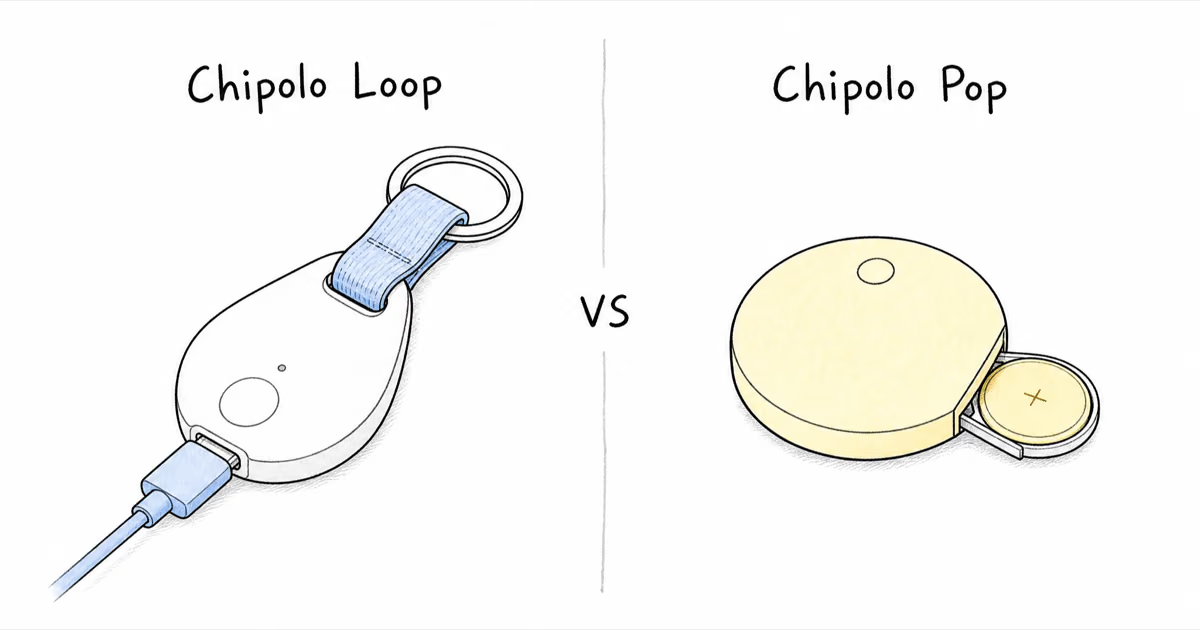
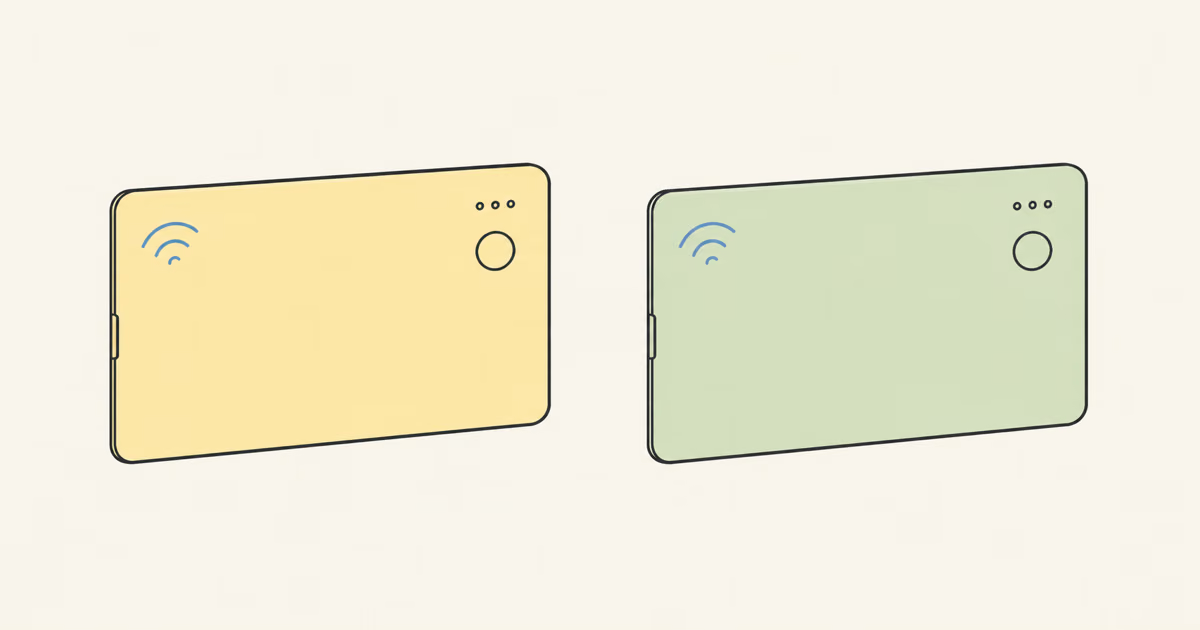
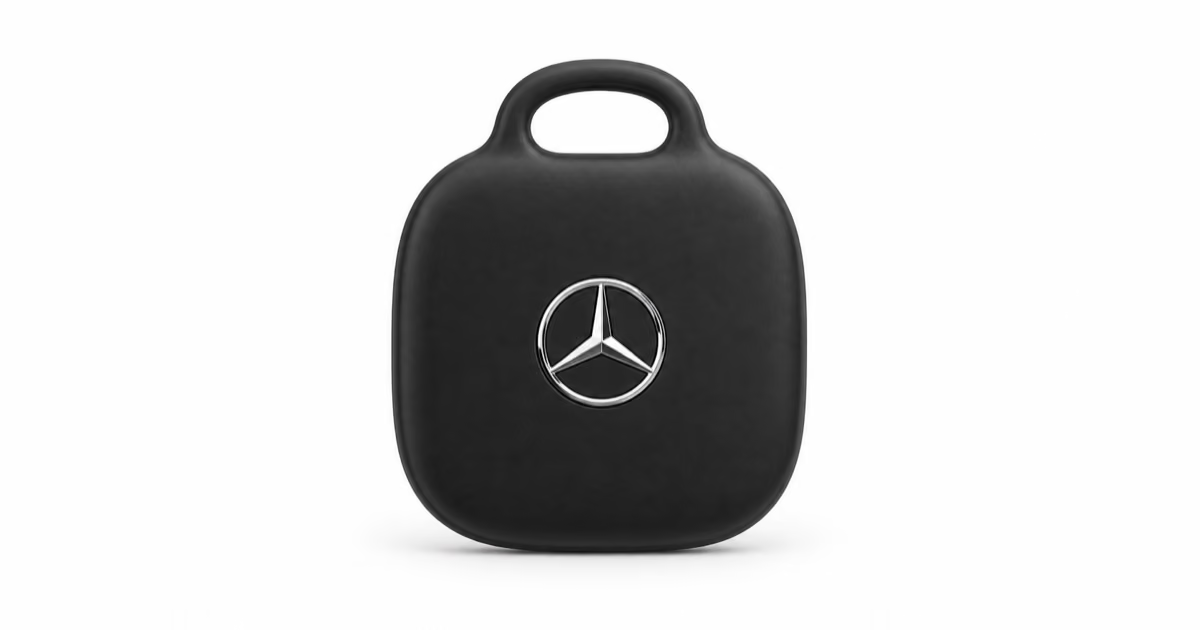
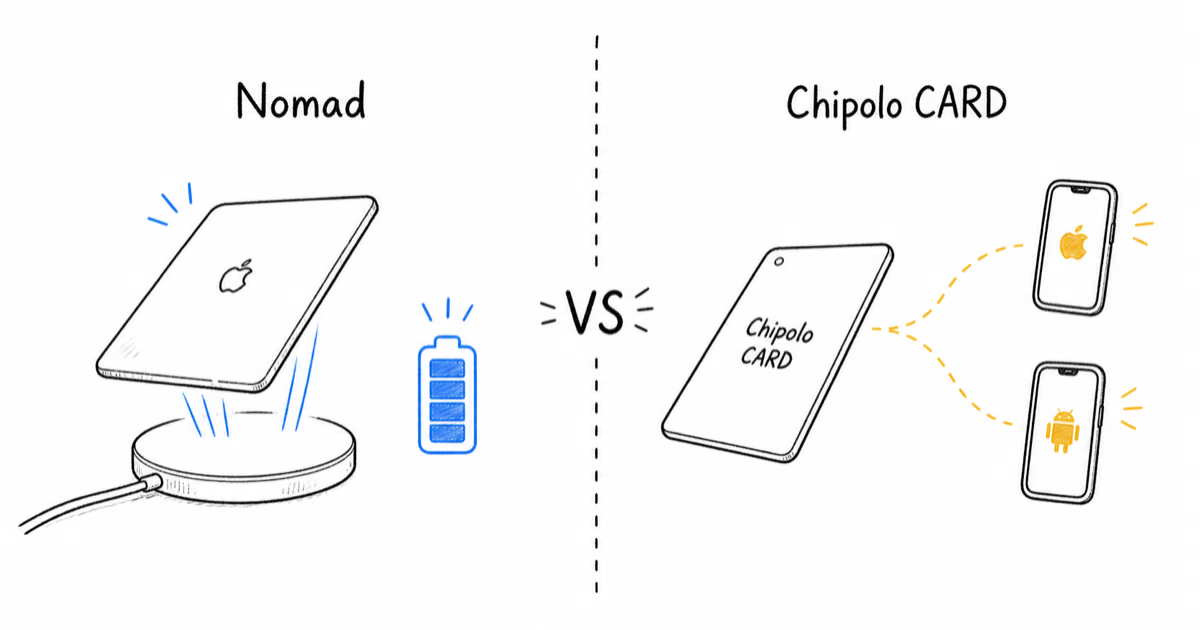
Pop ($29) is where most buyers start: the cheapest, the only one with a swappable CR2032, and loud enough (120 dB) to find anything in the same building — a 4-pack runs $99. CARD ($38.99) is the wallet pick at 2.5 mm thick, now recharging over Qi instead of a sealed cell, with IP67 water resistance. LOOP ($39) is the keyring pick: a built-in silicone loop, USB-C charging, and the loudest alarm Chipolo makes at 125 dB. x Secrid ($140) is the splurge — a genuine leather Secrid Miniwallet with the tracker built into the body, so nothing sticks out; it only makes sense if you already wanted a quality leather wallet.
The rule of thumb is simple: match the tag to the phones in your home. An all-iPhone household should register on Apple Find My, where the Chipolo appears right inside the Find My app alongside your AirTags. An Android household should register on Google Find Hub instead, tapping the enormous Android device network for crowd-sourced pings. To switch a tag to the other ecosystem later, you factory-reset it and pair fresh. For mixed homes, the cleanest answer is to assign each tag to whoever's most likely to do the finding, or buy separate tags per ecosystem.
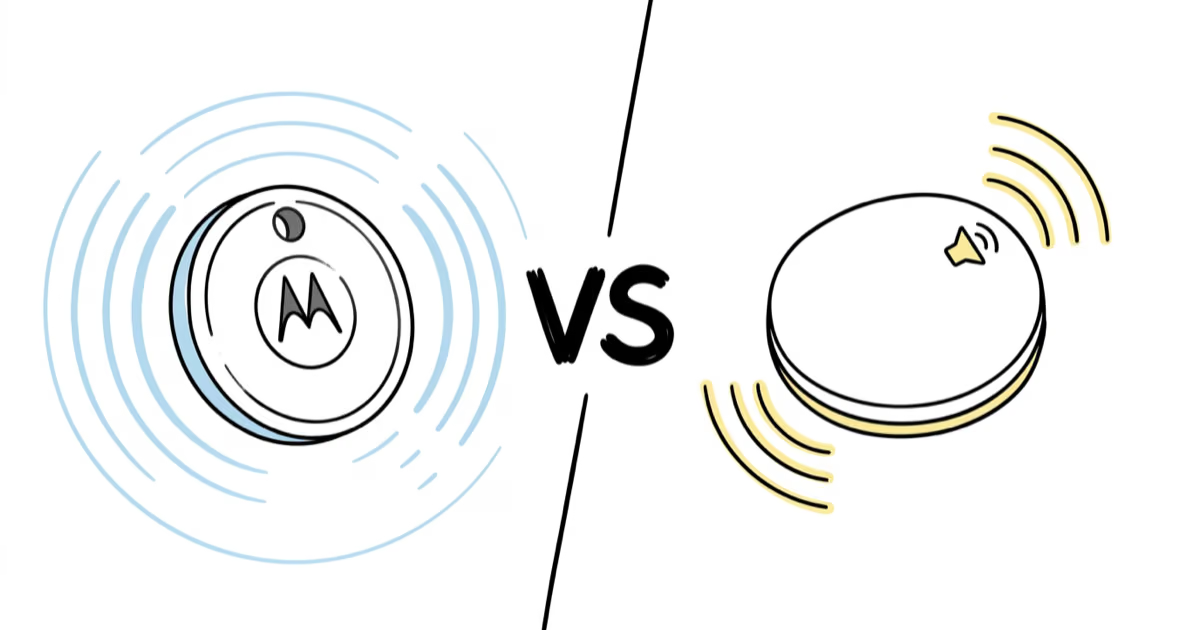
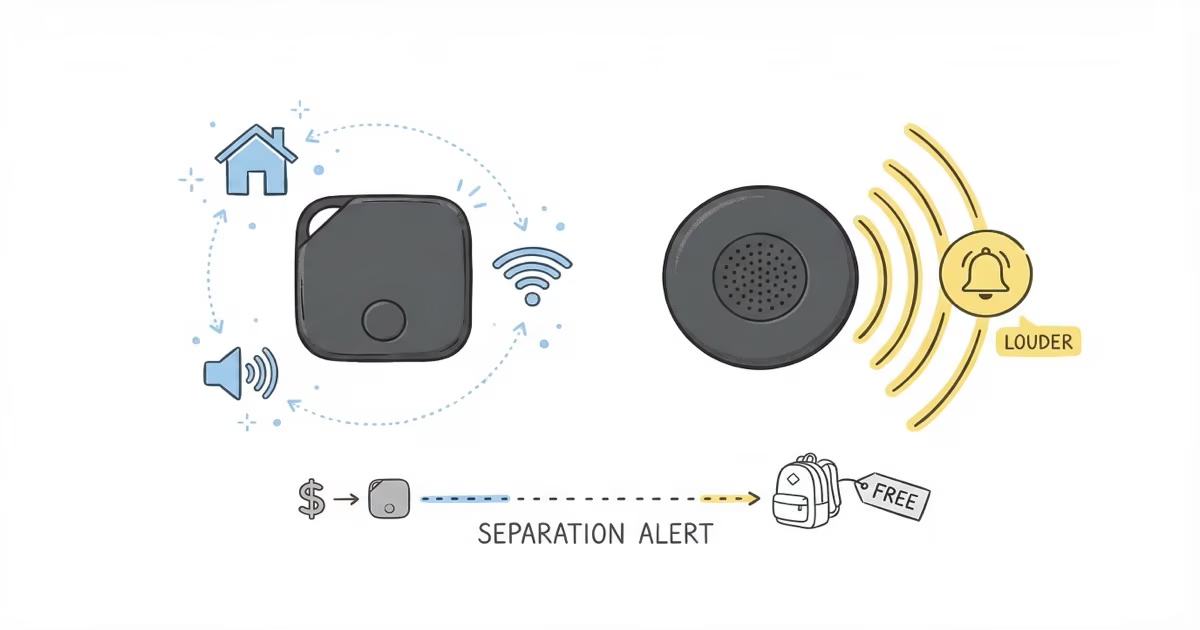
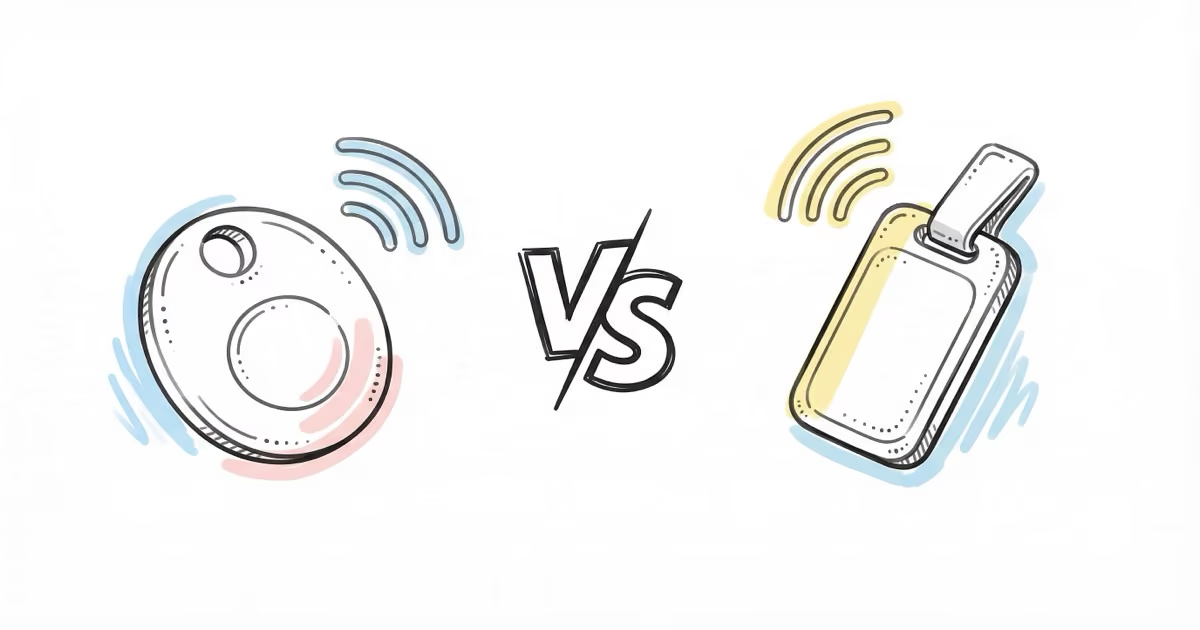
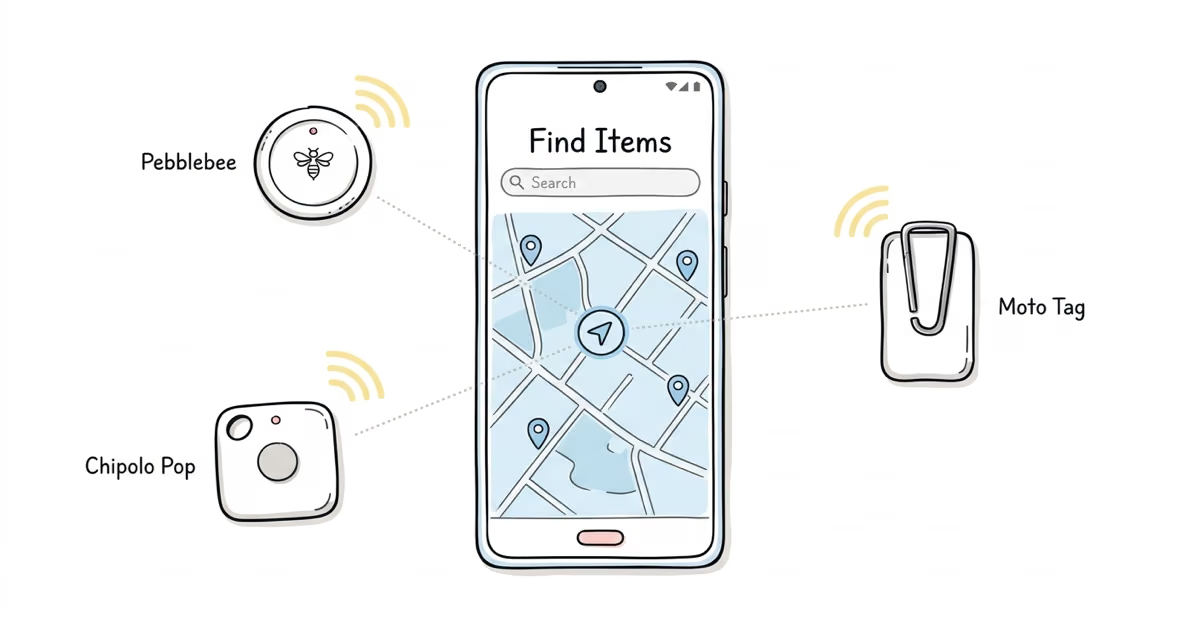
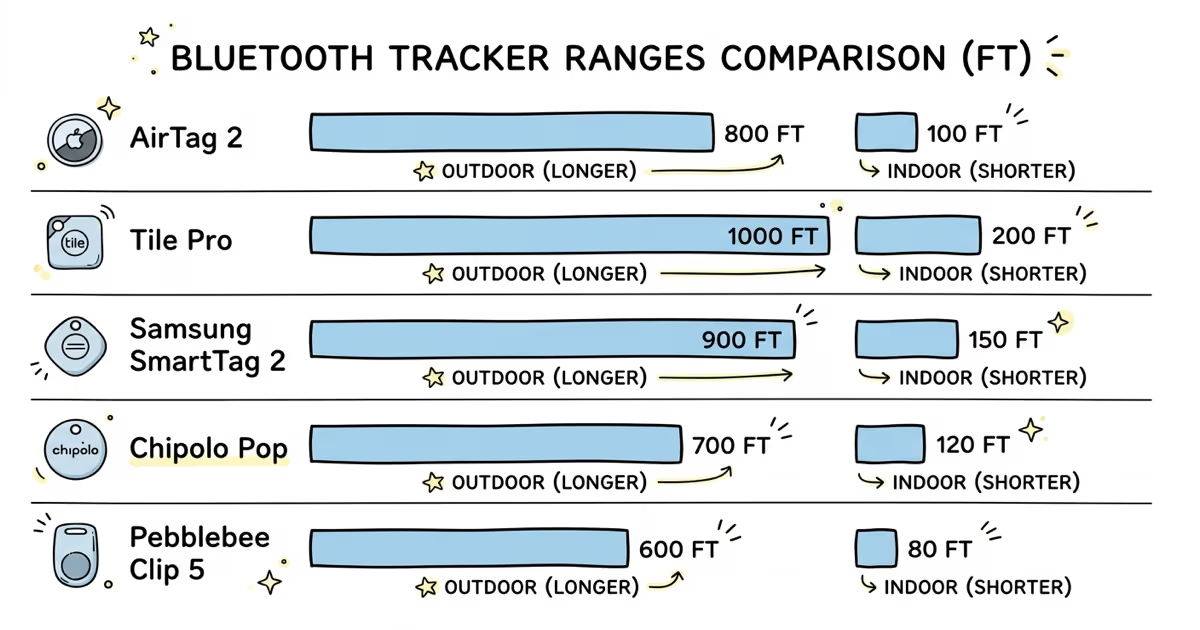
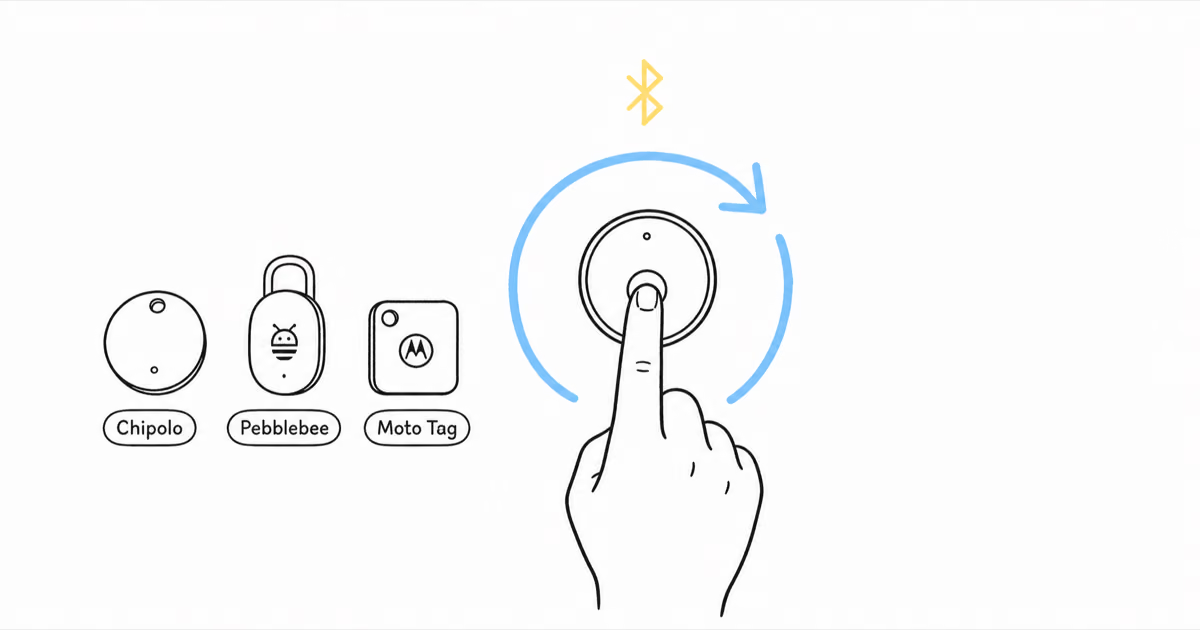
Most Chipolo problems trace to three causes: a dropped Bluetooth handshake, a low battery, or a tag that needs a reset. A slow intermittent chirp means a fresh CR2032 on the Pop or a recharge on the others; a tag that won't ring usually clears after a force-quit, a Bluetooth toggle, and a reset. On rivals, the right comparison depends on your phones: vs Tile is the closest cross-platform fight, vs Pebblebee covers the rechargeable rival, vs Samsung SmartTag the Galaxy-only option, and vs Moto Tag the newer Find Hub challenger. The brand's two constants in every match-up are its loud speaker and its lack of a subscription.
Chipolo is the easy answer for Android and mixed-platform households that want a loud, subscription-free tracker. iPhone-only users who crave arrow-style precision finding will still prefer AirTag, but everyone else has a strong case. For most people the Pop is where to start — cheapest, the only swappable battery, and loud enough to find anything in the same building; a 4-pack covers keys, a bag, a remote and a spare for under $100. Wallet-first buyers grab the CARD, keychain-first buyers want the LOOP and its 125 dB alarm, and anyone shopping a gift-grade leather wallet can splurge on the x Secrid.
Full library
33 articles, with the curated path first.
Chipolo Guide questions