What it is
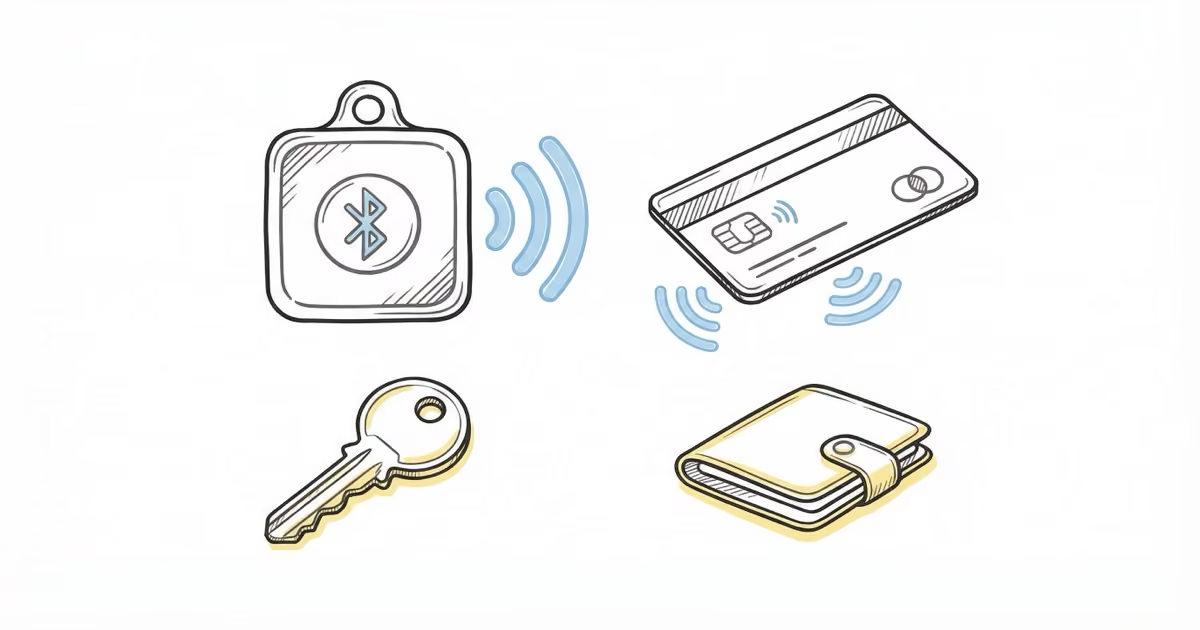
A coin-sized Bluetooth-only beacon — no GPS, no cellular, no UWB. It shouts a serial number that your phone or any Tile-app user nearby reports back. Founded 2012, the first mainstream tracker; Life360 bought it in 2021 for ~$205M.
◎ Guide · Cross-platform Bluetooth
Tile invented the consumer Bluetooth tracker in 2012, and most write-ups still describe a Tile that no longer ships. This covers the lineup that exists today — and the one job Tile still does better than anyone: working equally well on iPhone and Android.
A coin-sized Bluetooth-only beacon — no GPS, no cellular, no UWB. It shouts a serial number that your phone or any Tile-app user nearby reports back. Founded 2012, the first mainstream tracker; Life360 bought it in 2021 for ~$205M.
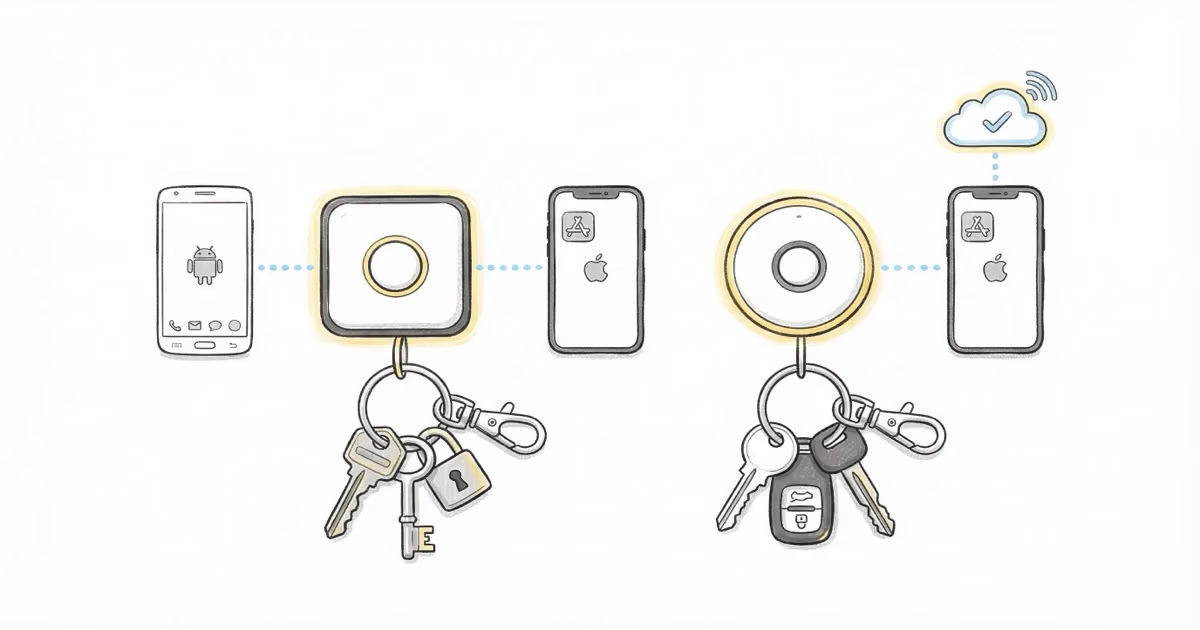
It's the only major brand at full parity on both iPhone and Android. AirTag is iPhone-only, Galaxy SmartTag is Samsung-only. The Tile Pro also joined Apple's Find My network in late 2023, extending its iPhone reach.
Pick it for a mixed-platform household. Skip it if everyone's on one platform — the native option wins on network density — or if you need real-time GPS for a moving target.
Reading map
Follow the sequence, or jump directly to the part of ownership you need.
A Tile is dumber than people assume: a Bluetooth Low Energy beacon with no GPS, no cellular radio, no UWB chip. It broadcasts its ID, and your phone — or any other phone running the Tile app — picks up the signal and reports the location. The strategic shift since Life360's 2021 acquisition is platform-neutrality: Tile is the one mainstream brand that works on iPhone and Android equally, and the Tile Pro joined Apple's Find My network in late 2023, which meaningfully tightened iPhone location pings. The structural weak spot remains network size — Tile's opt-in finder base is far smaller than Find My's ~2 billion or Find Hub's ~3 billion devices.
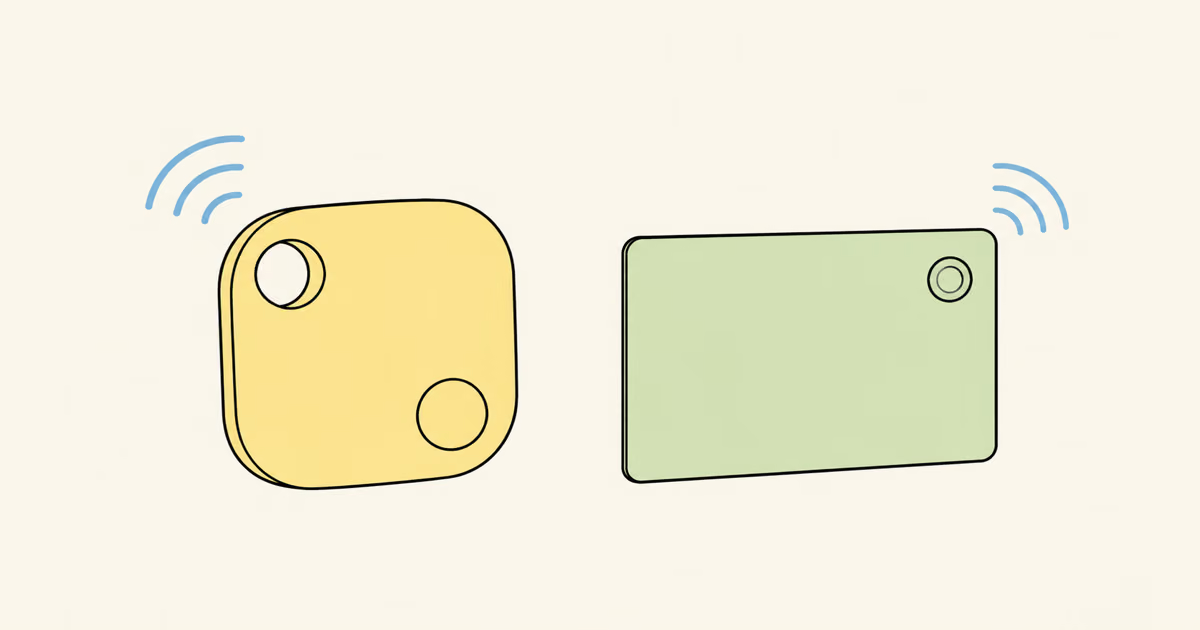
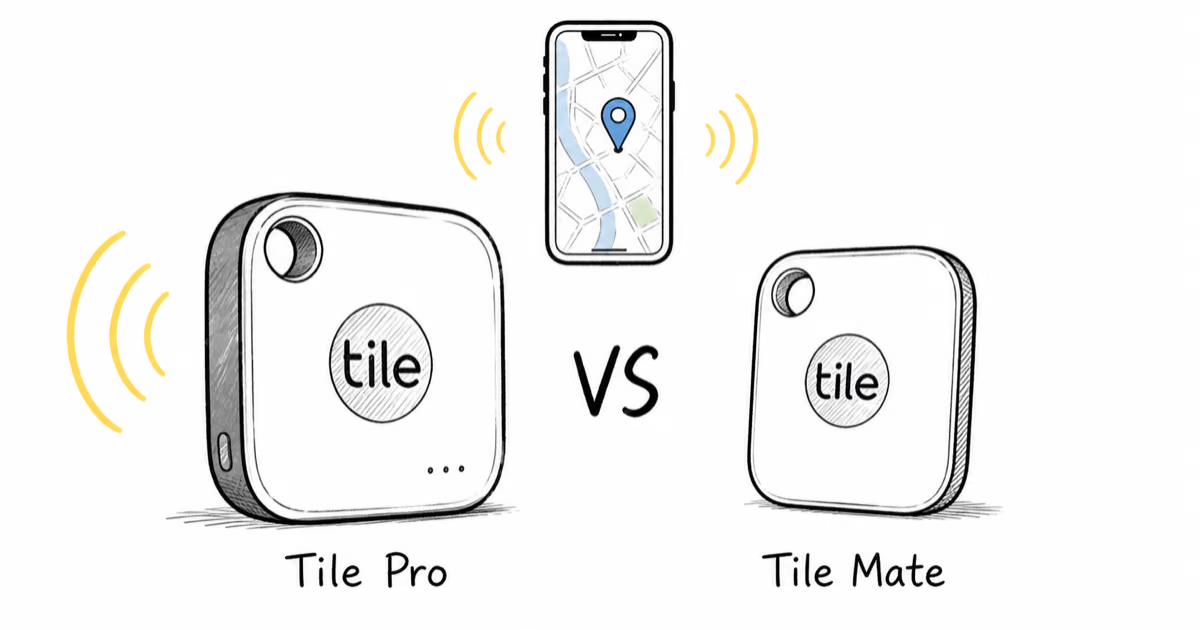
Tile refreshed the whole consumer range in mid-2024 with new shells, louder speakers, and replaceable batteries back on the Pro and Mate (Slim and Sticker keep sealed cells). All four share one app, one Premium subscription, and one finder network — the differences are physical: size, range, and ring volume. The rule of thumb: keys want Mate or Pro, wallets need Slim, small electronics want Sticker, and anything you'll often be 100+ feet from wants Pro. Tile rates the Pro's 500-foot range as best-case open-air; our suburban walk-tests measured closer to 280 feet through one drywall partition, and Slim is the only IP68 model and the only true wallet form factor.
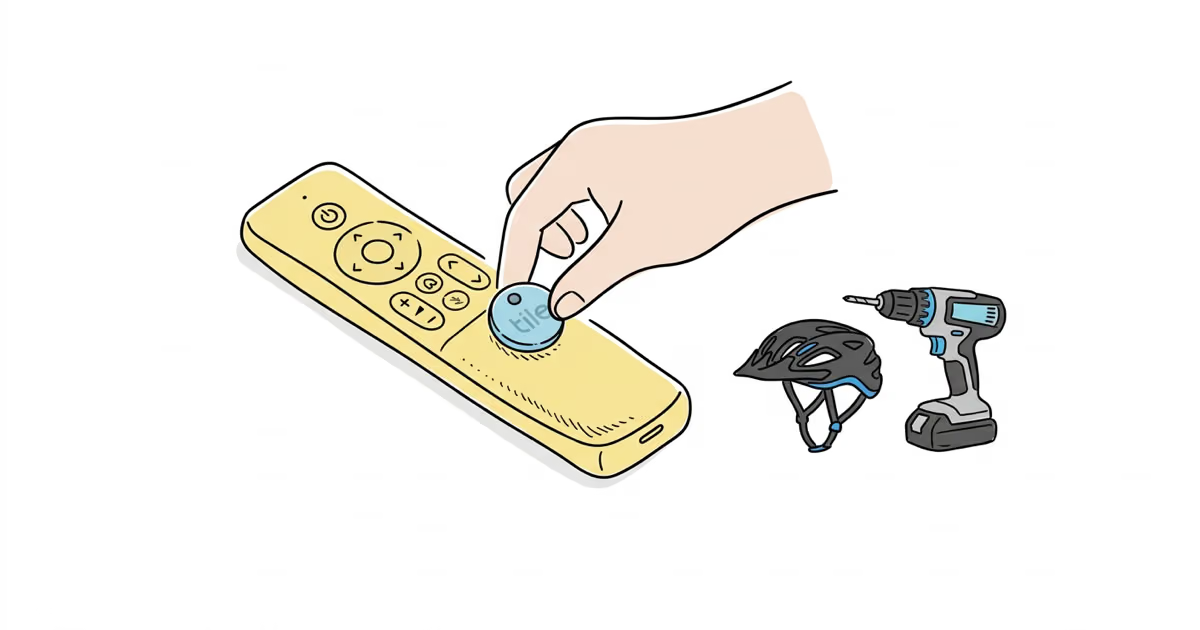
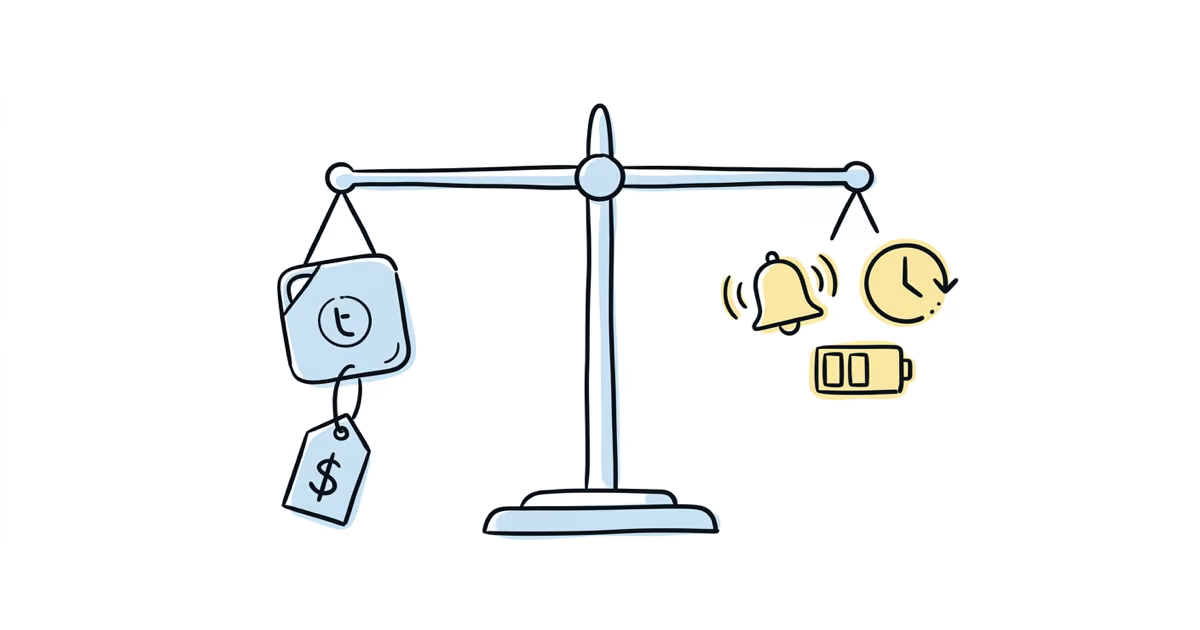
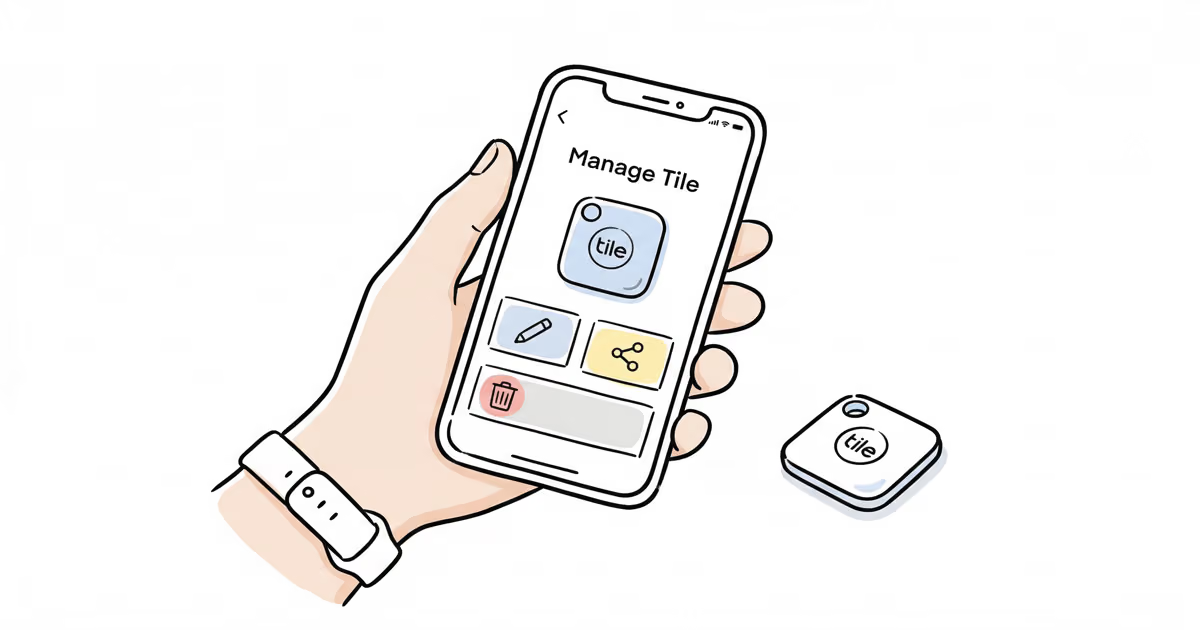
Setup is one of the easiest in the category: install the free Tile app, tap Add a New Tile, press the tracker's button until it jingles, name it, done — no separate hardware activation. Subscriptions split three ways: Free covers the core find function and unlimited pairings; Premium ($29.99/yr) adds smart alerts, 30 days of location history, unlimited household sharing and yearly battery replacements; Premium Protect ($99/yr) adds up to $1,000 item reimbursement plus Life360 family services. Premium is worth it at three or more Tiles; below that the free tier is fine. One gotcha for returning users: Tile doesn't carry hardware pairings across major app versions, so you have to re-pair each tracker even when it shows in your list.
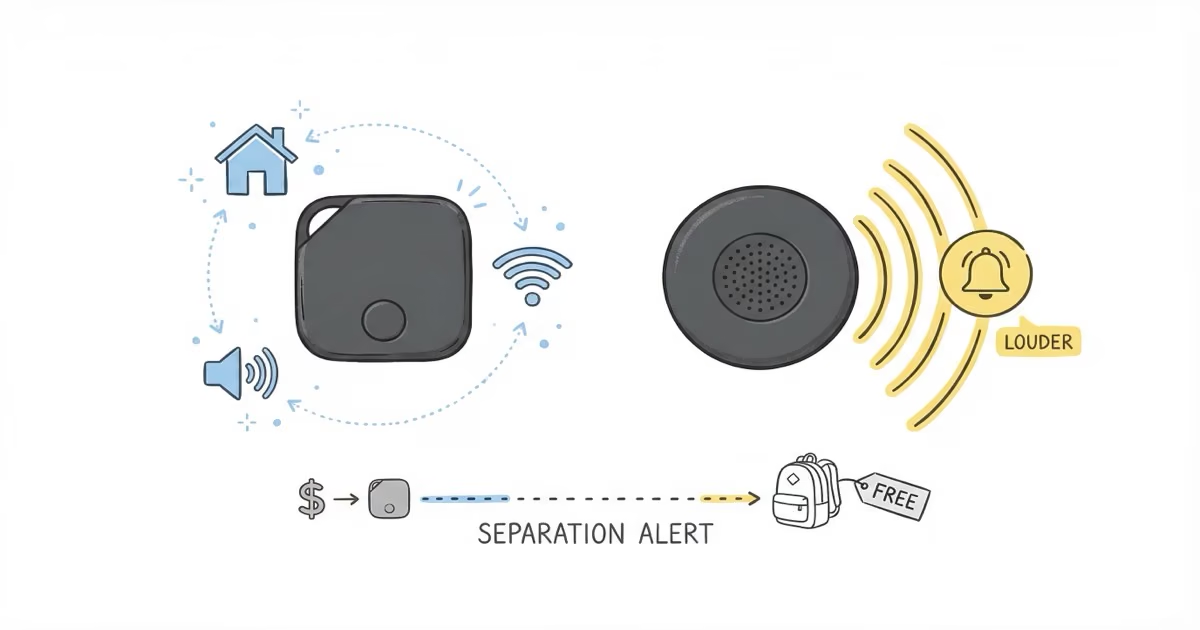
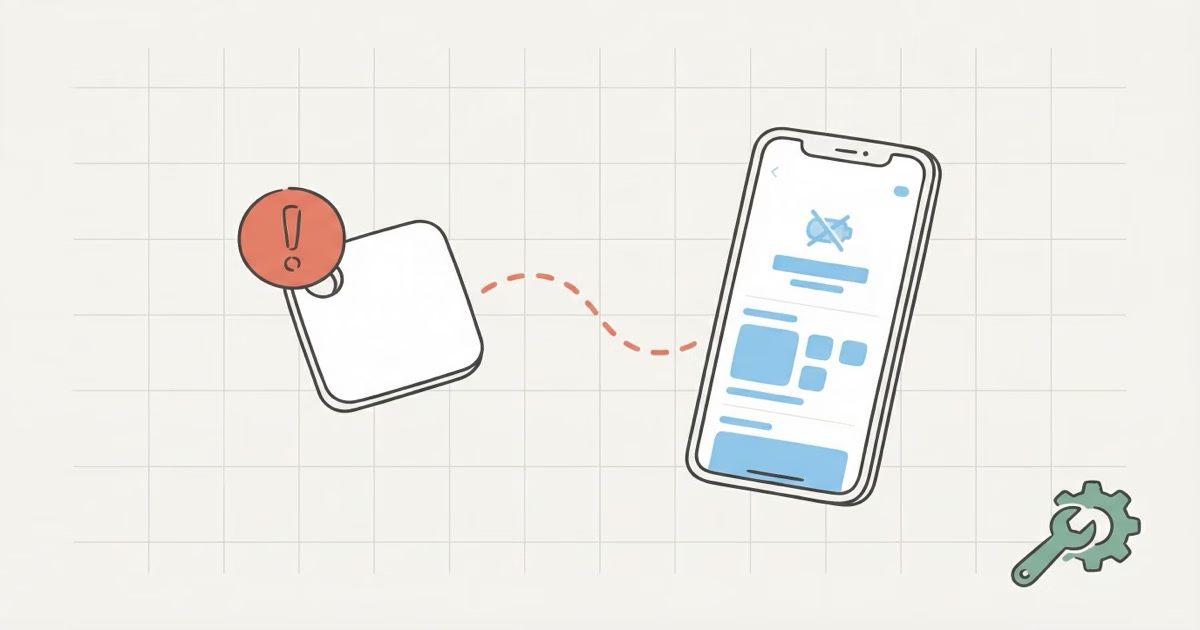
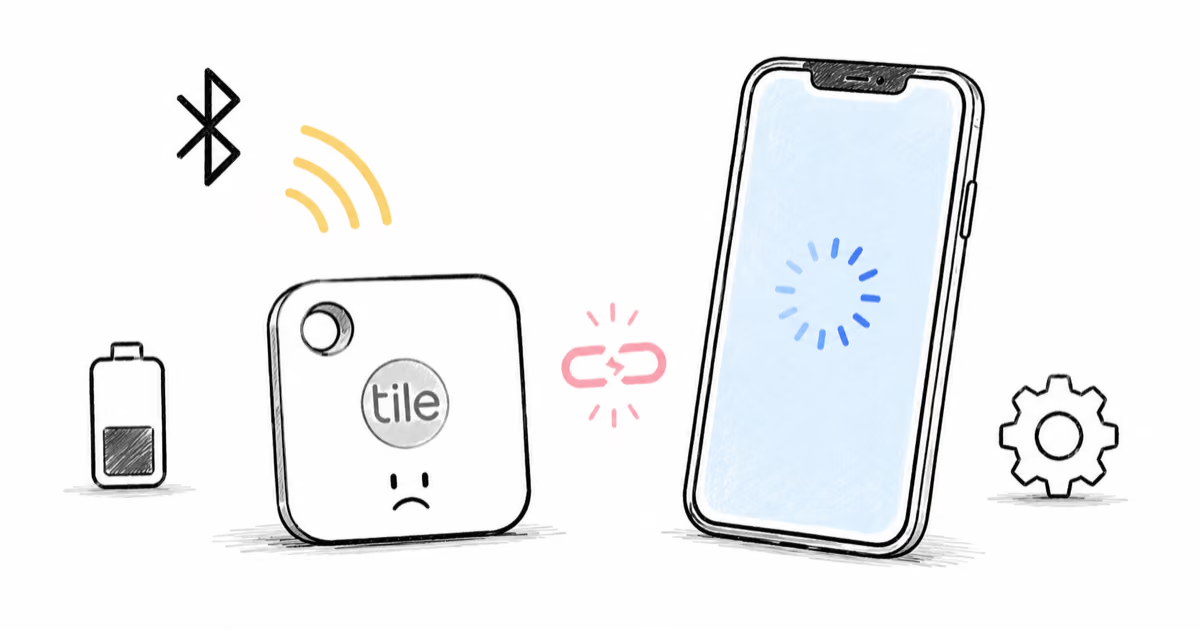
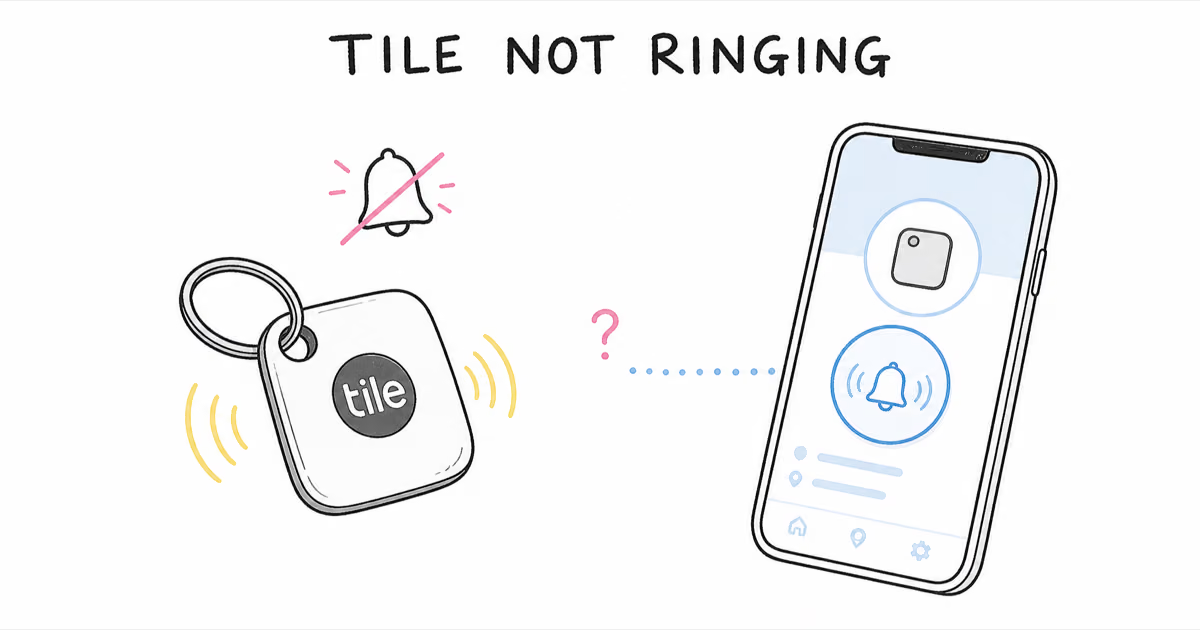
The Tile Pro is the brand's signature spec: rated 110 dB, and we measured 102 dB on a calibrated SPL meter one foot out — the loudest mainstream Bluetooth tracker, well ahead of AirTag's ~60 dB. The Mate, Slim and Sticker drop to ~85 dB. Beyond the find chirp, a Tile beeps for three reasons: low battery (slow intermittent chirp), anti-stalking scan completion, and firmware-update completion. Most "broken Tile" reports trace to four root causes — a dropped Bluetooth handshake, a dying battery, a location-permission issue, or a stale app cache — and the fixes are quick once you know which you're chasing.
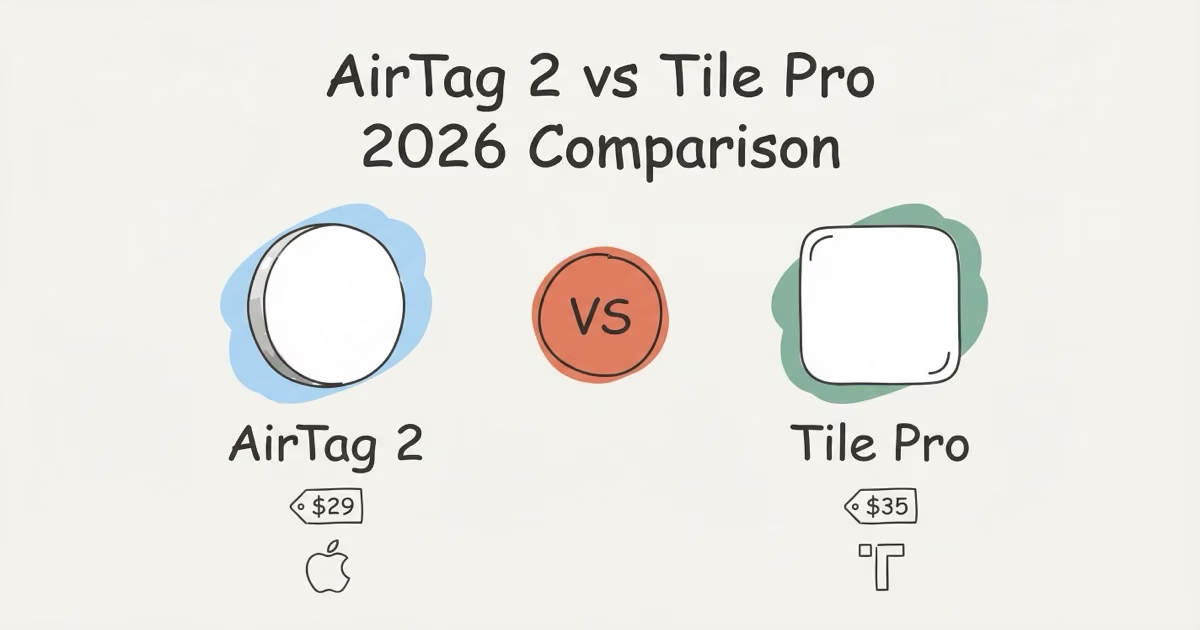
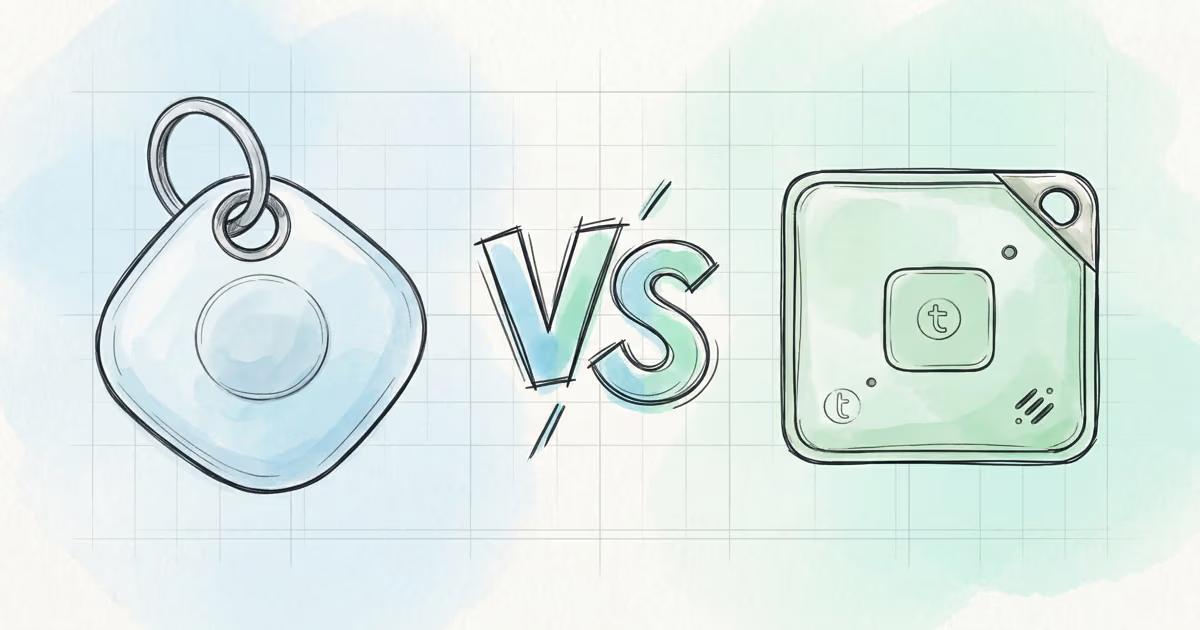
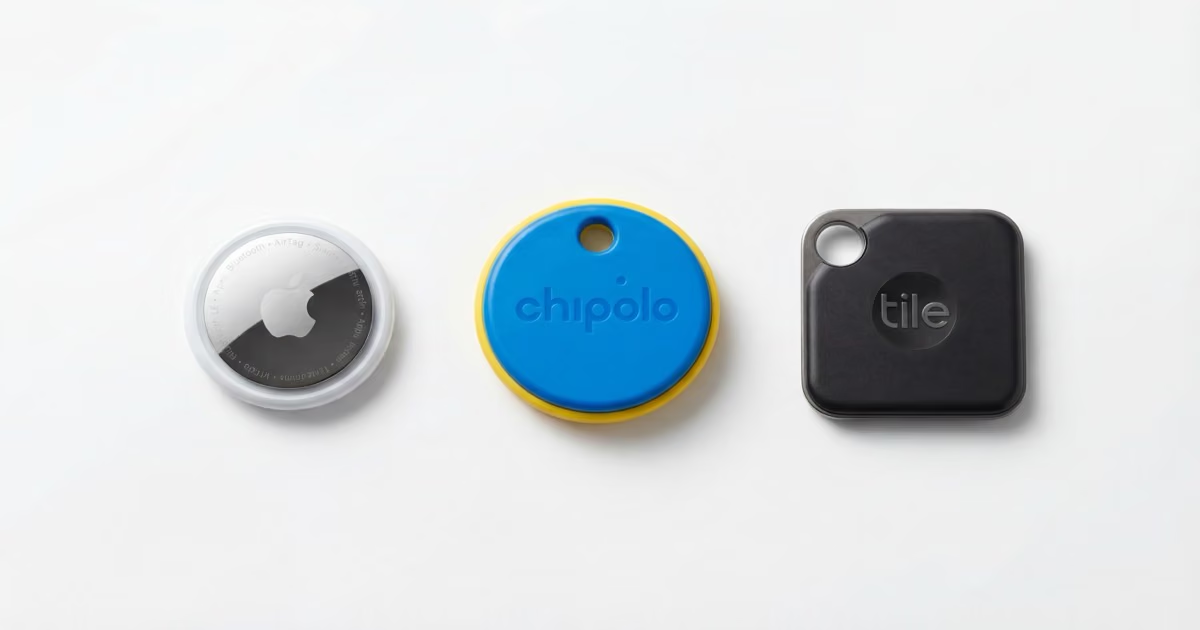
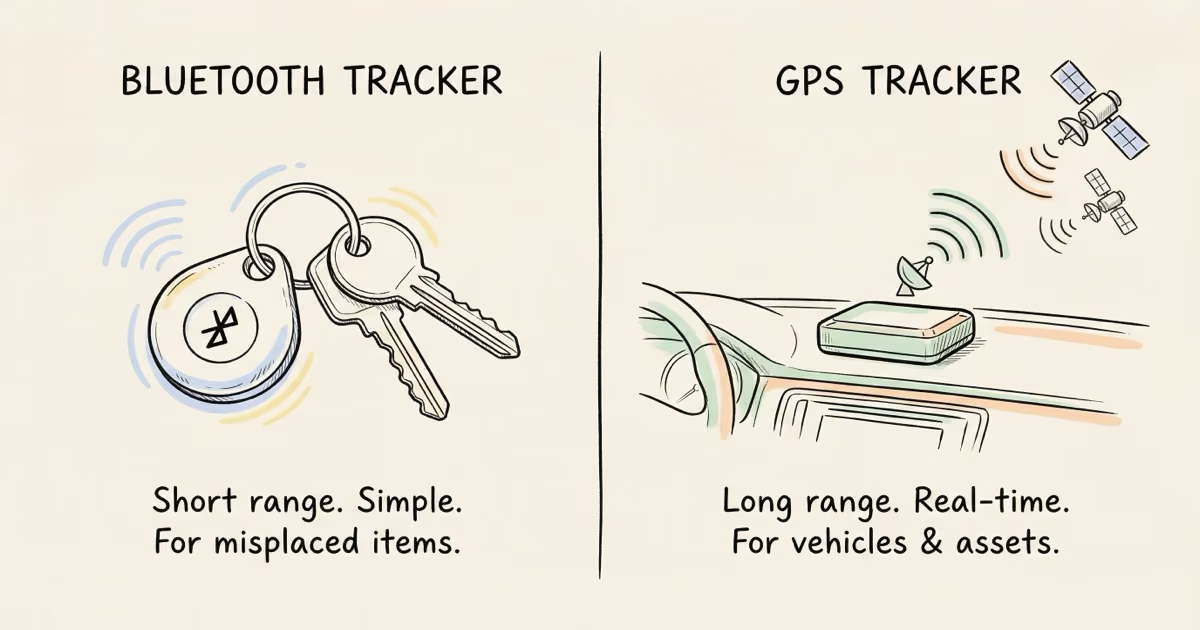
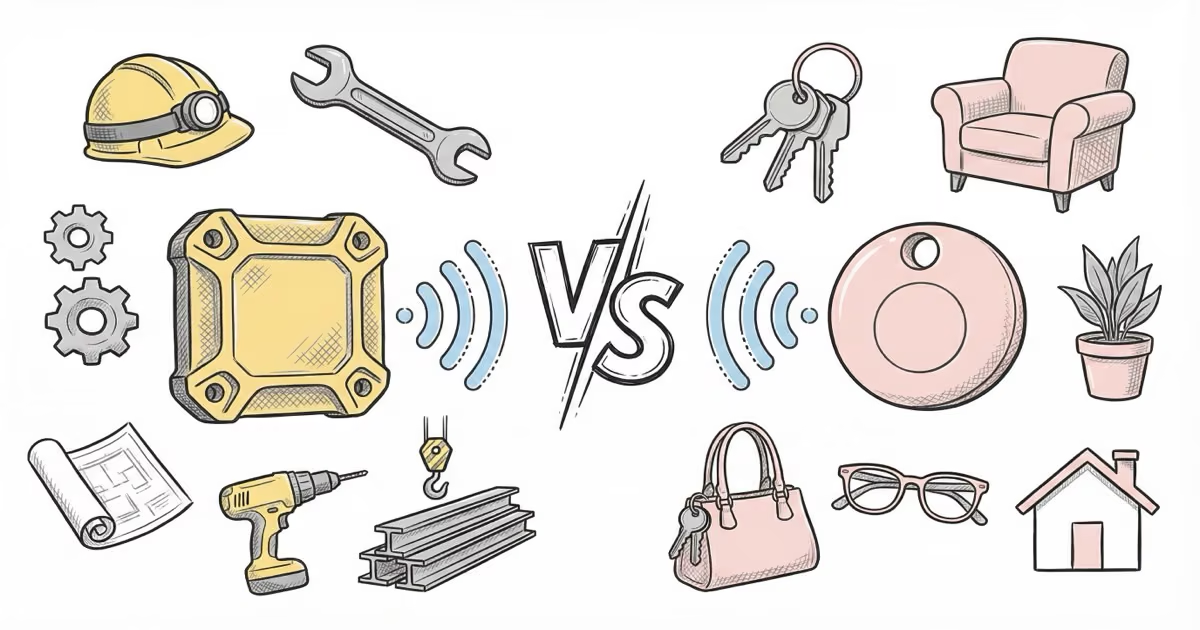
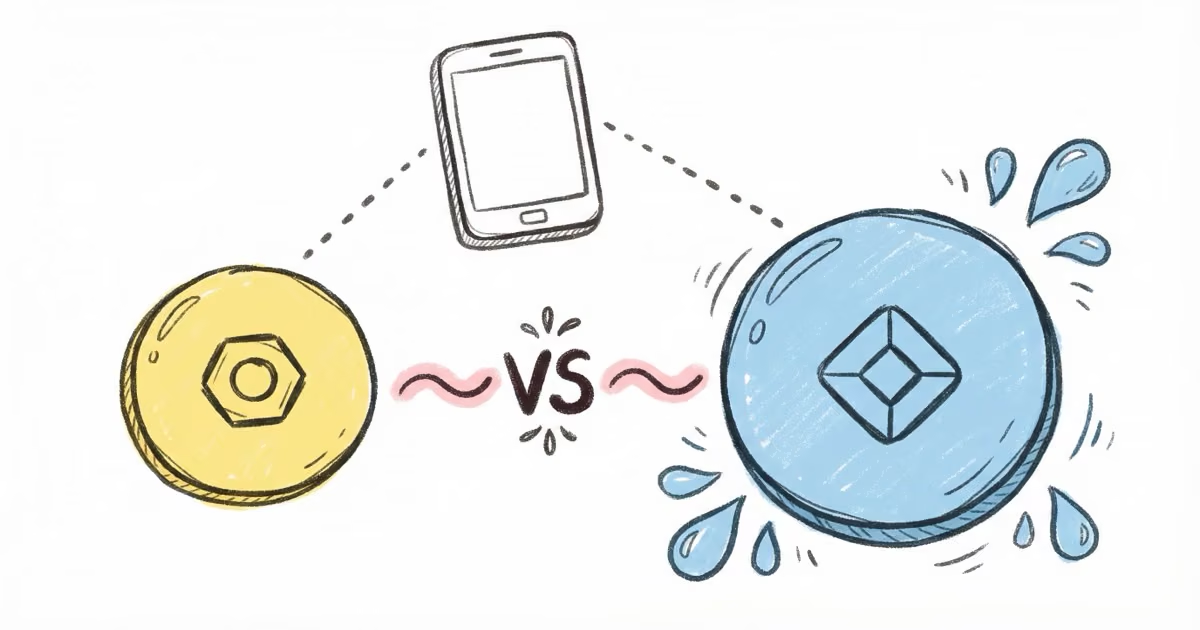
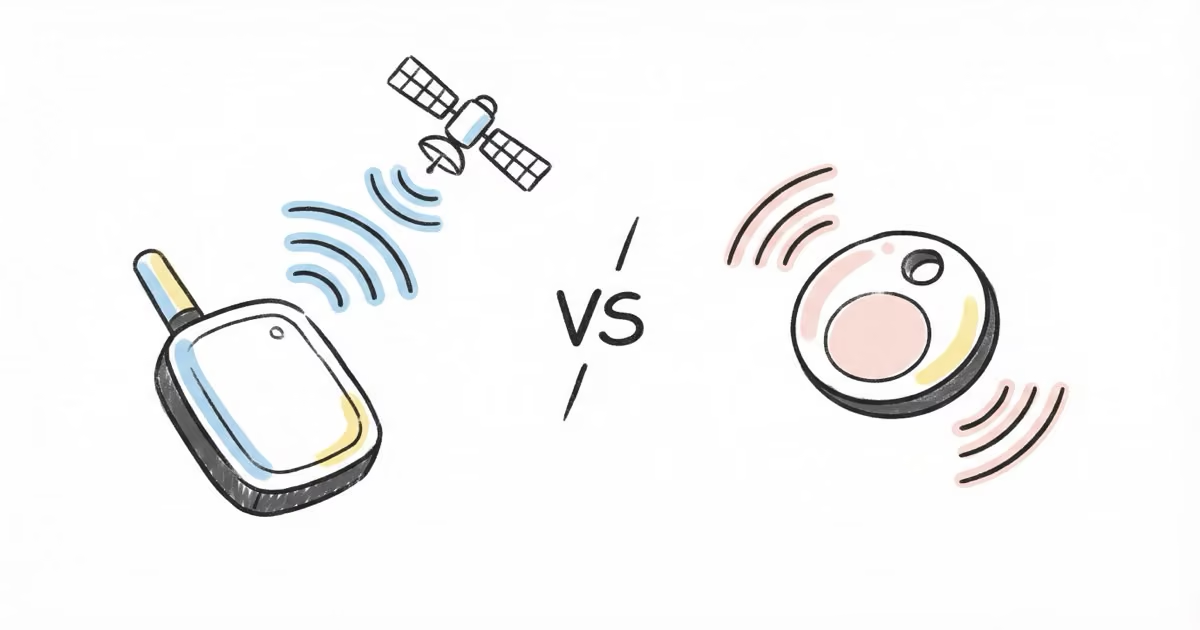
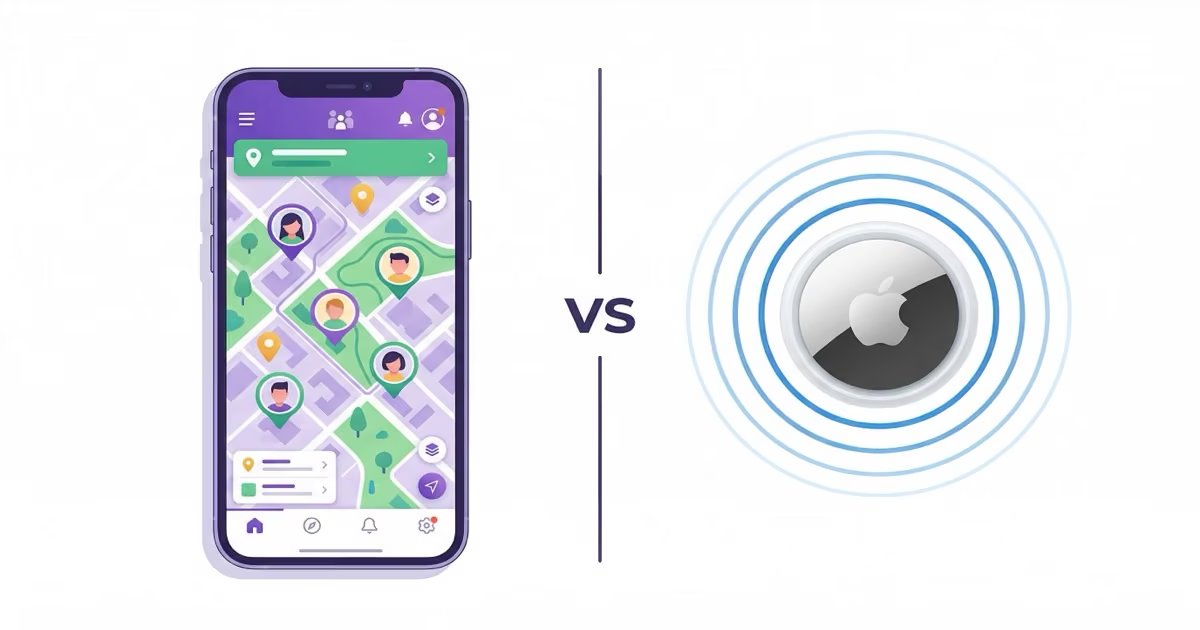
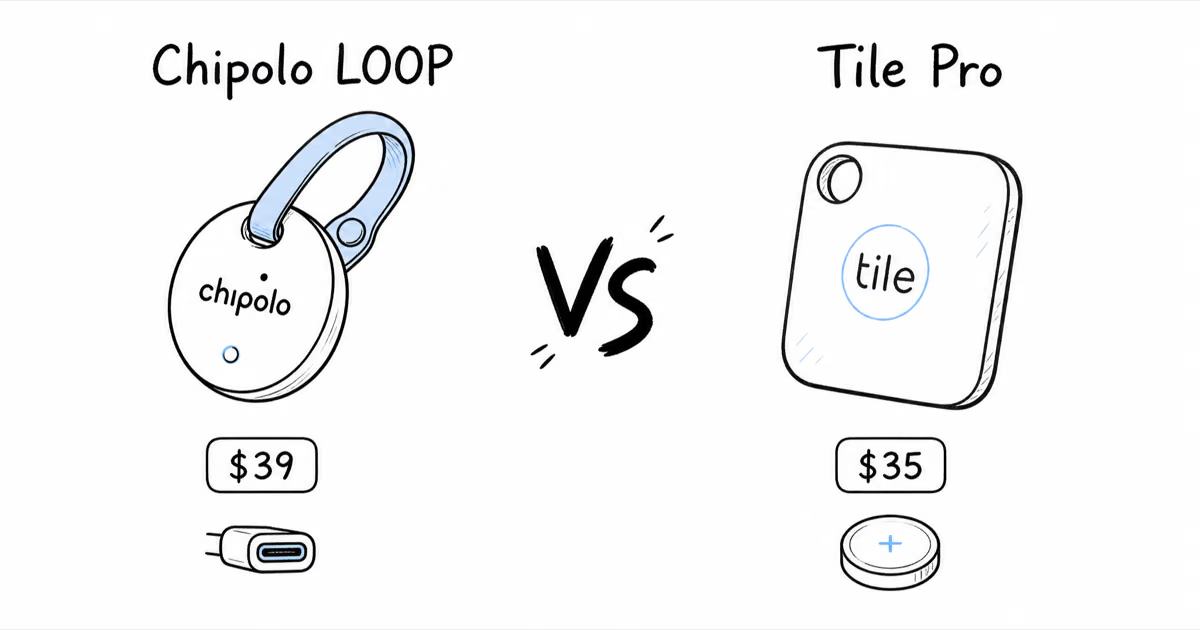
The right rival depends almost entirely on the phones in your household. vs AirTag: AirTag wins iPhone-only homes on Find My's ~2 billion devices and UWB Precision Finding; Tile wins mixed homes. vs Galaxy SmartTag: SmartTag is Samsung-locked, so Tile wins by default for non-Samsung Android. vs Chipolo: the closest direct fight — cross-platform, similar price, Chipolo a touch louder. vs Pebblebee: the rechargeable-vs-replaceable trade-off. vs GPS trackers: a different category entirely — Tile is Bluetooth-only and can't actively track a moving target, so cellular wins for live tracking but loses on cost.
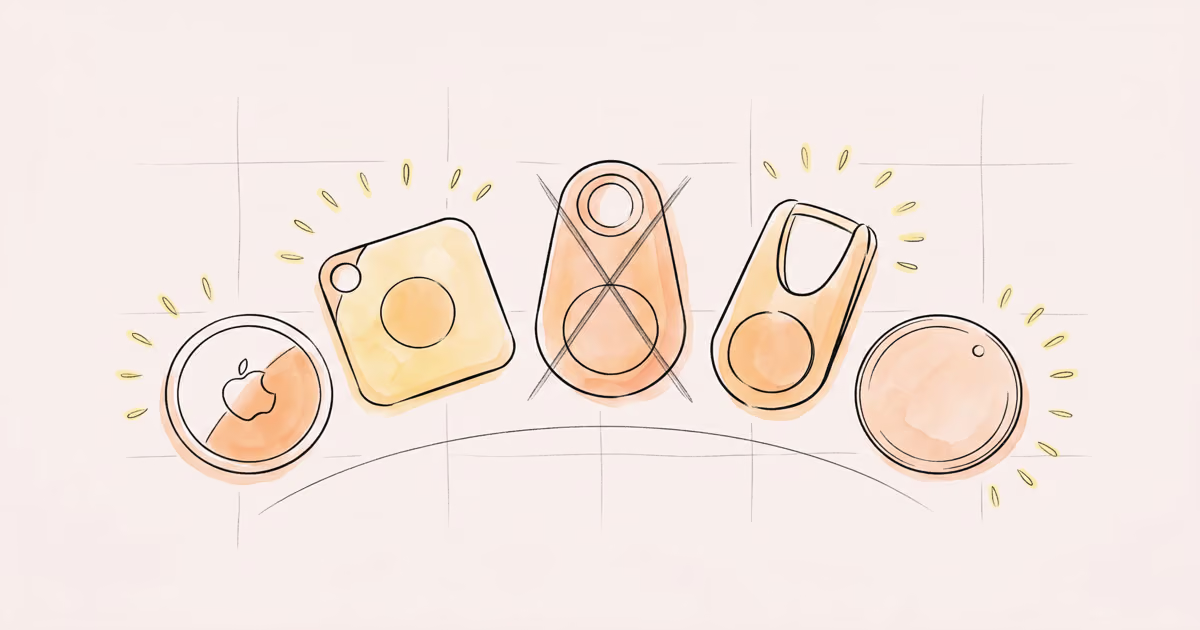
Tile is right for most cross-platform households, but four cases beat it cleanly. iPhone-only home → AirTag's Find My network is larger and adds UWB Precision Finding. Samsung-only home → Galaxy SmartTag 2 plugs straight into SmartThings Find. You want rechargeable, not replaceable → Pebblebee's cells beat Tile's CR2032 swap. You need real-time GPS, not Bluetooth → the biggest mismatch: moving cars, working dogs, e-bikes in rural terrain all want a cellular tracker with its own SIM, not a Tile. If none of those apply but you've outgrown Tile, the alternatives roundup ranks every option that competes head-to-head.
Full library
25 articles, with the curated path first.
Tile Guide questions