What it is
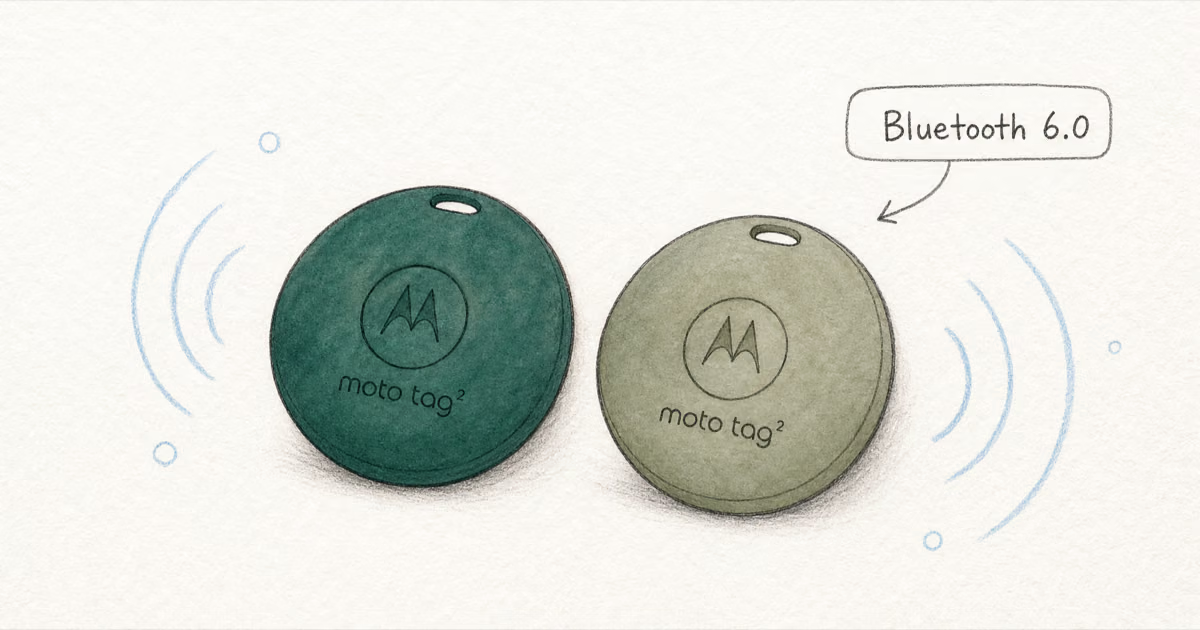
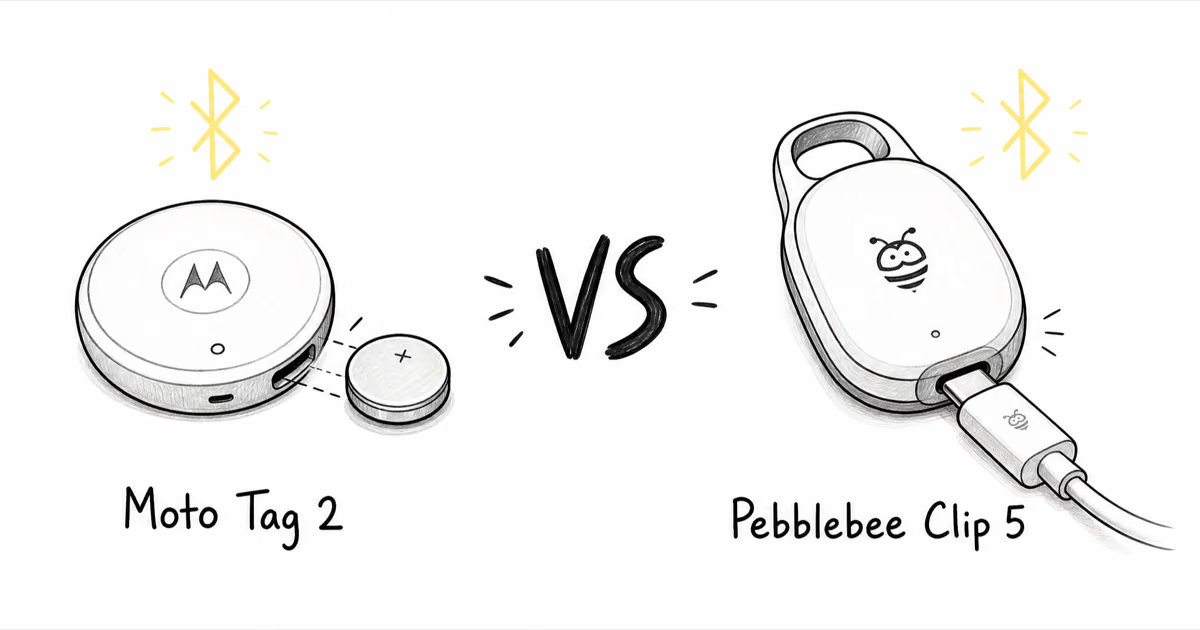
A 31.9 mm, 7.5 g disc on a CR2032 cell, certified for Google Find Hub with a UWB radio for a directional arrow. Two generations share one chassis: the $30 gen-1 (2024) and the $29.99 Moto Tag 2 (U.S. launch June 2026).
◎ Guide · Google Find Hub
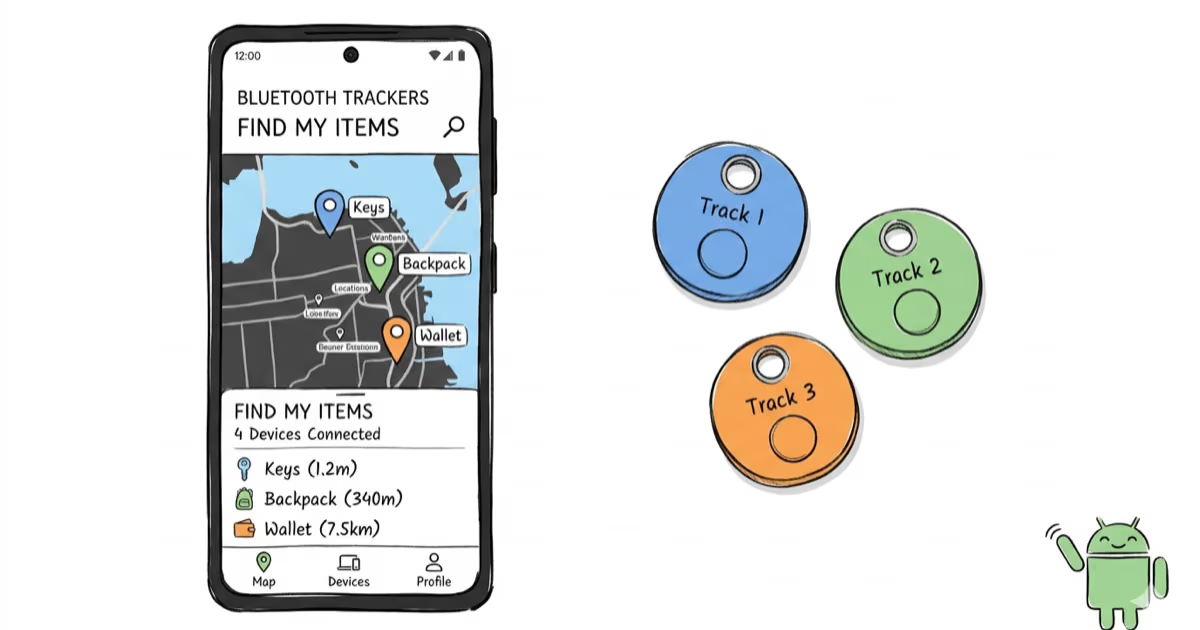
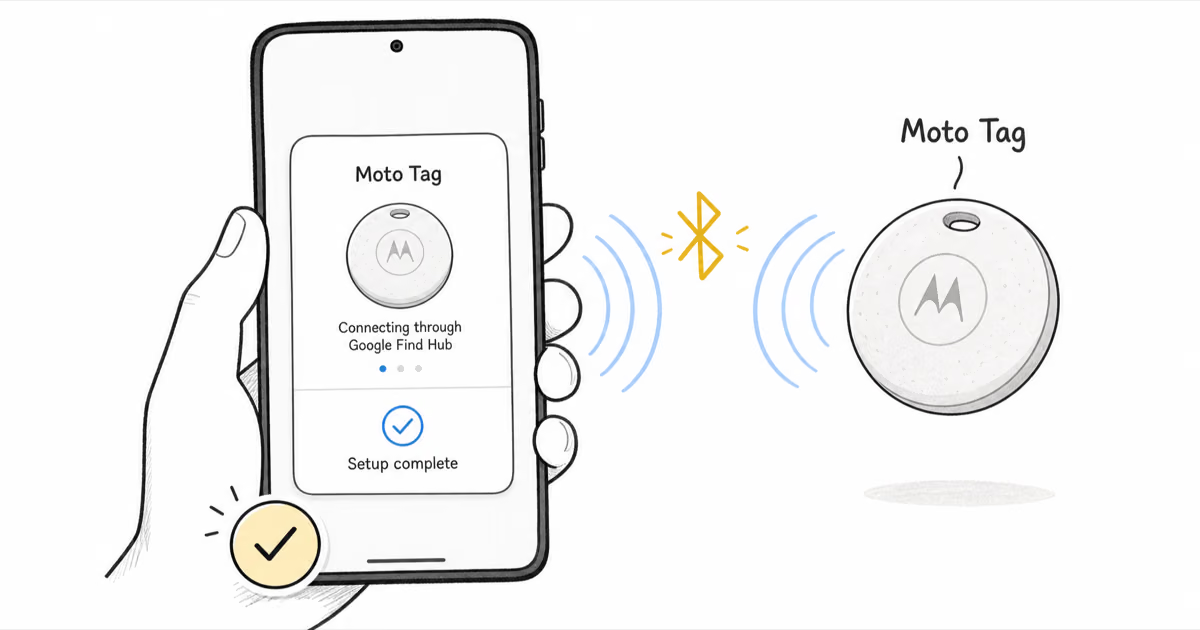
Motorola answered a question Apple never had to: what does a non-Samsung Android phone use to find lost keys? The Moto Tag is the first to plug straight into Google's Find Hub with UWB. Here's both generations — and which to actually buy.
A 31.9 mm, 7.5 g disc on a CR2032 cell, certified for Google Find Hub with a UWB radio for a directional arrow. Two generations share one chassis: the $30 gen-1 (2024) and the $29.99 Moto Tag 2 (U.S. launch June 2026).
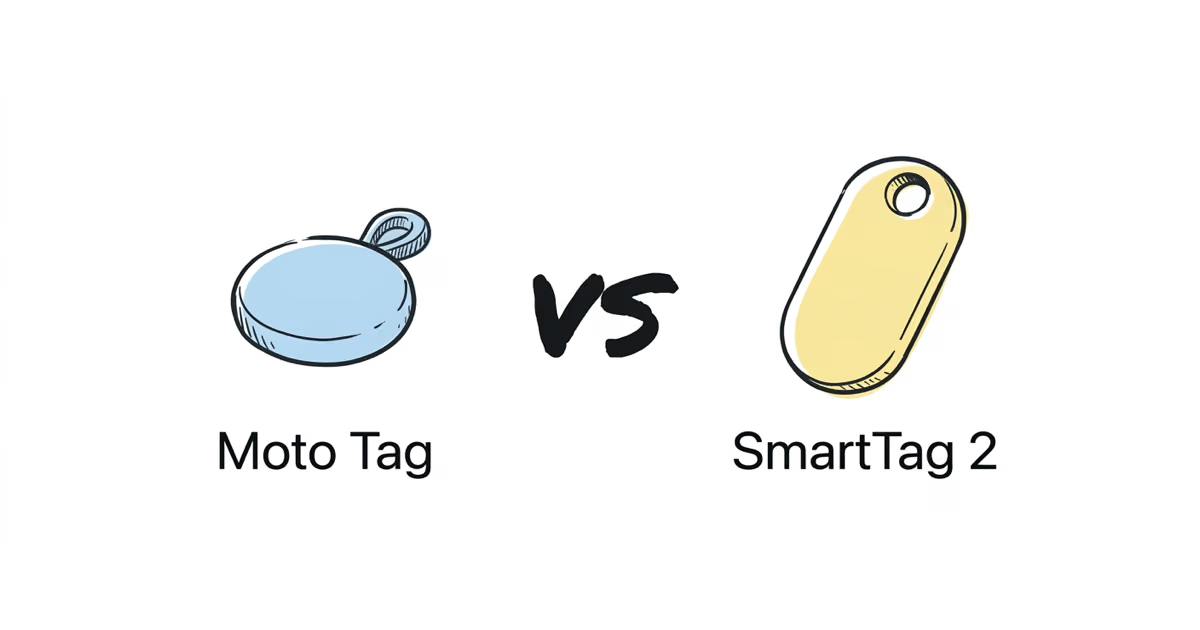
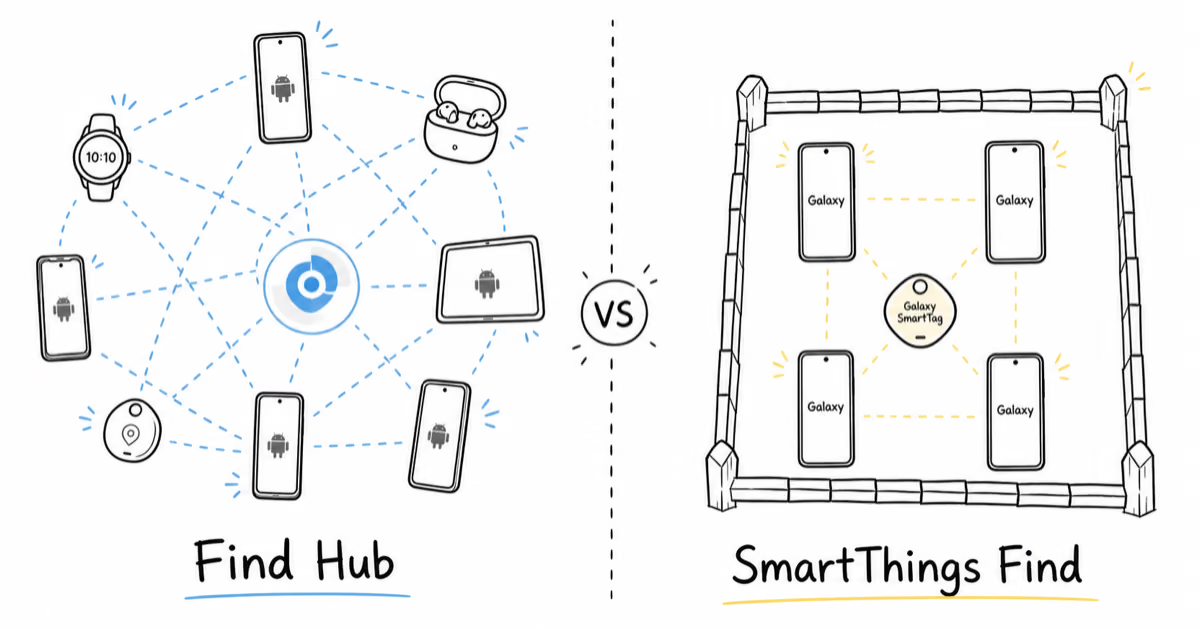
It fills the hole in the middle of Android. SmartTag is Galaxy-locked; the Moto Tag pairs with any Android 9+ phone, making it the default UWB finder for the non-Samsung majority — Pixel, OnePlus, Motorola.
Pick it if you're on a non-Samsung Android phone and want native Find Hub + UWB. Skip it on iPhone (buy an AirTag), and for a moving target on open land (buy a cellular GPS tracker).
Reading map
Follow the sequence, or jump directly to the part of ownership you need.
For years Android had a hole in the middle: Apple owners had AirTag, Samsung owners had Galaxy SmartTag, and everyone else had no first-party finder tied to a phone-native network. Motorola launched the original Moto Tag in August 2024 at $29.99 — the first non-Samsung device certified for UWB precision finding on Google's network, since rebranded Find Hub. The trade-off is network maturity: in our city testing the gen-1 reported at 8 min downtown, 25 min in suburbs, 2+ hr rural — an AirTag pinged in under 3 min everywhere. That gap is closing as Find Hub ships enabled by default.
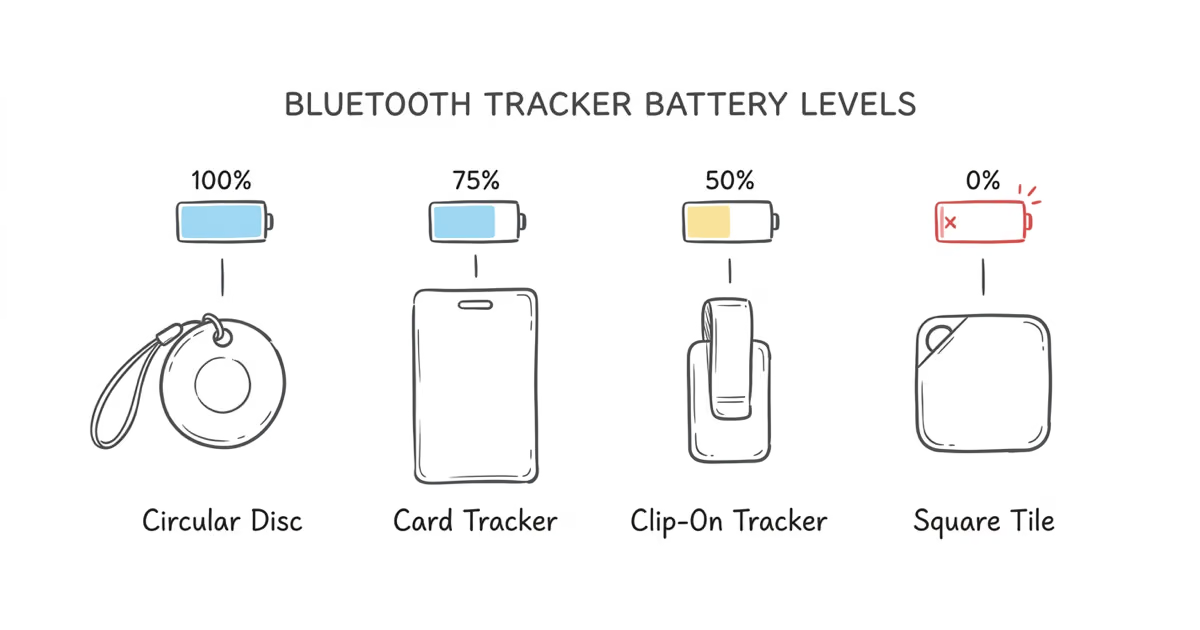
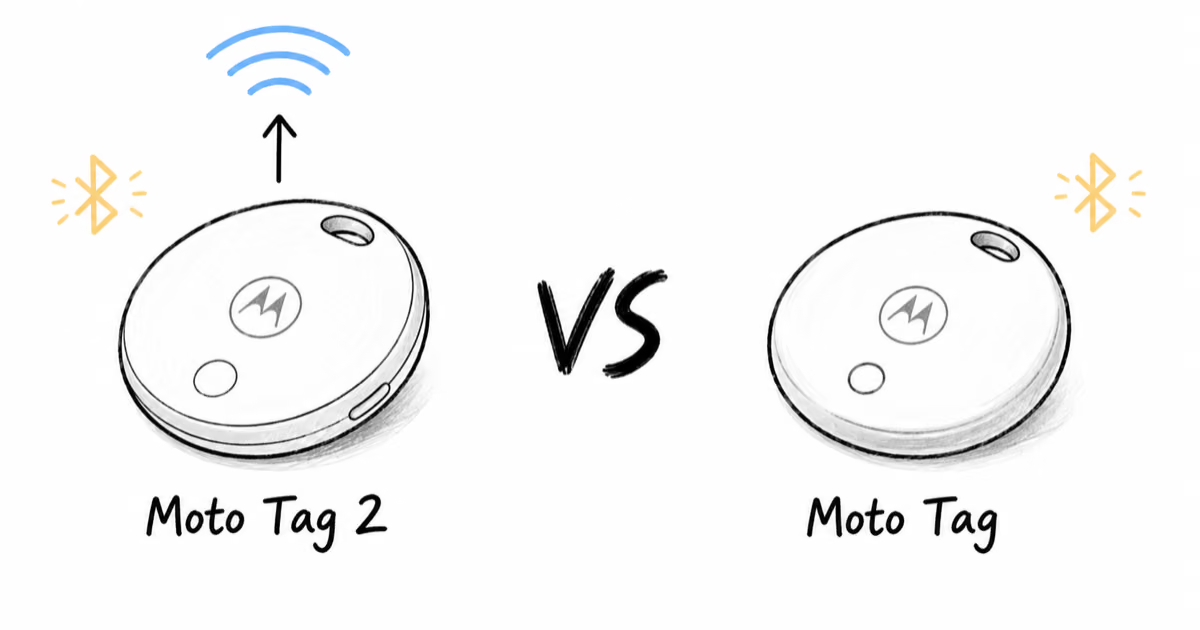
Both share the exact same 31.9 mm / 7.5 g chassis, so every case and mount carries over — the differences are all internal, and three matter. Channel Sounding is the headline, but it only activates on a Bluetooth 6.0 phone running Android 16 (today, the Pixel 10 series); older phones fall back to gen-1 behavior. The Bluetooth jumps from 5.4 to 6.0 with Channel Sounding, the battery from 365 to 500 days, and water resistance from IP67 to IP68 (1.5 m). The battery and water gains apply to everyone.
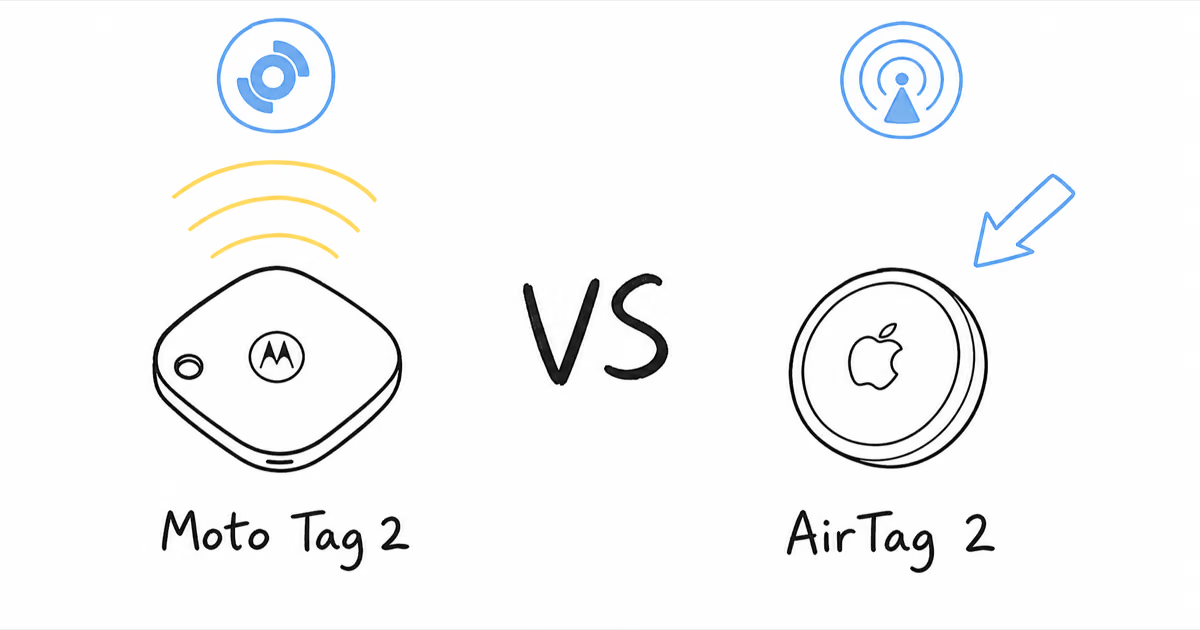
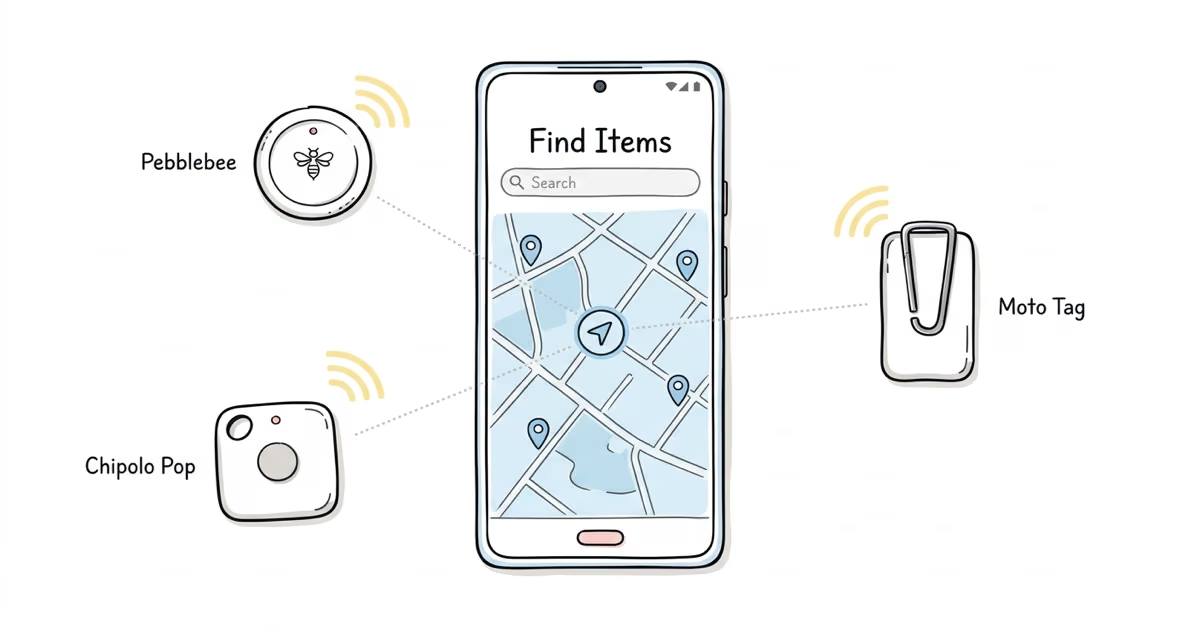
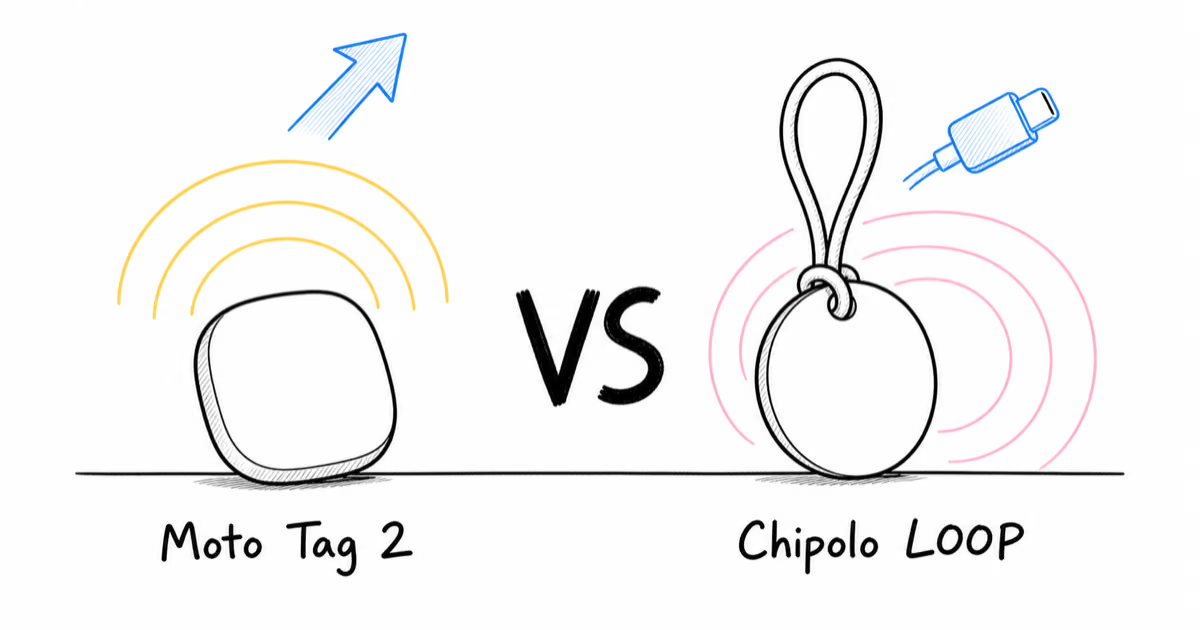
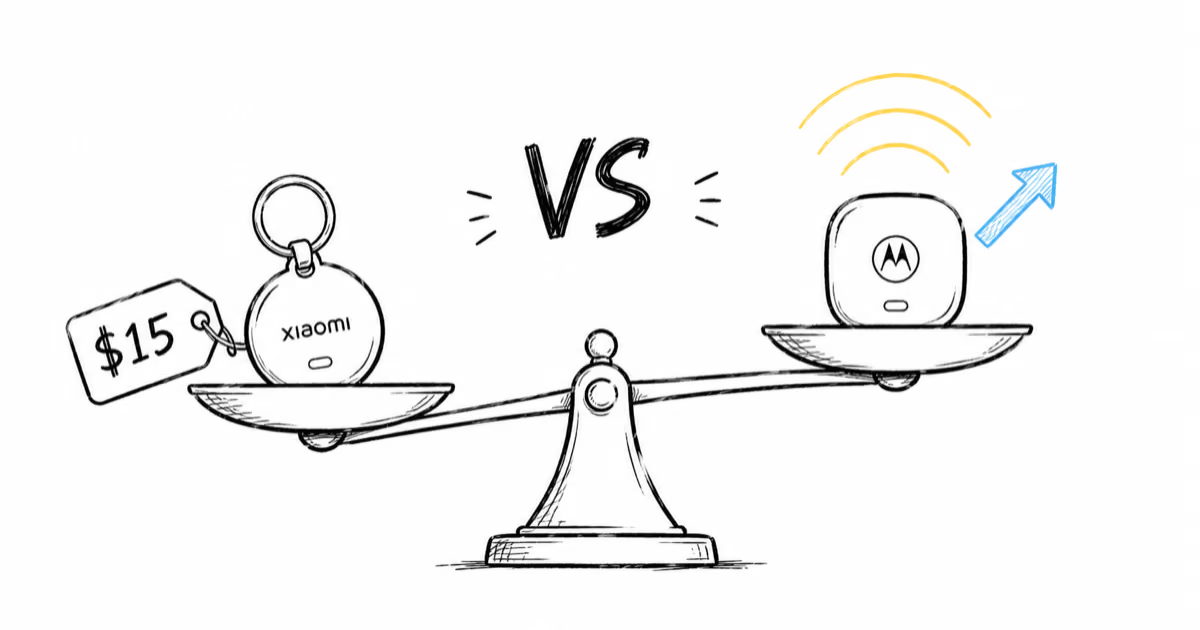
If you're buying today on Android, get the Moto Tag 2 — not because Channel Sounding will change your life (most phones can't use it yet), but because the longer 500-day battery and IP68 rating make it the more durable buy — and the June 2026 U.S. launch reset its price to $29.99, the same sticker as the original. Against the AirTag 2 and Chipolo Pop, the Moto Tag 2 wins for Android on network fit, not loudness: it's the only one of the three with native Find Hub and UWB + Channel Sounding. Chipolo's Pop is cheaper and louder (120 dB) but has no UWB arrow and forces you to pick a single network at a time; AirTag stays the right answer for iPhone owners.
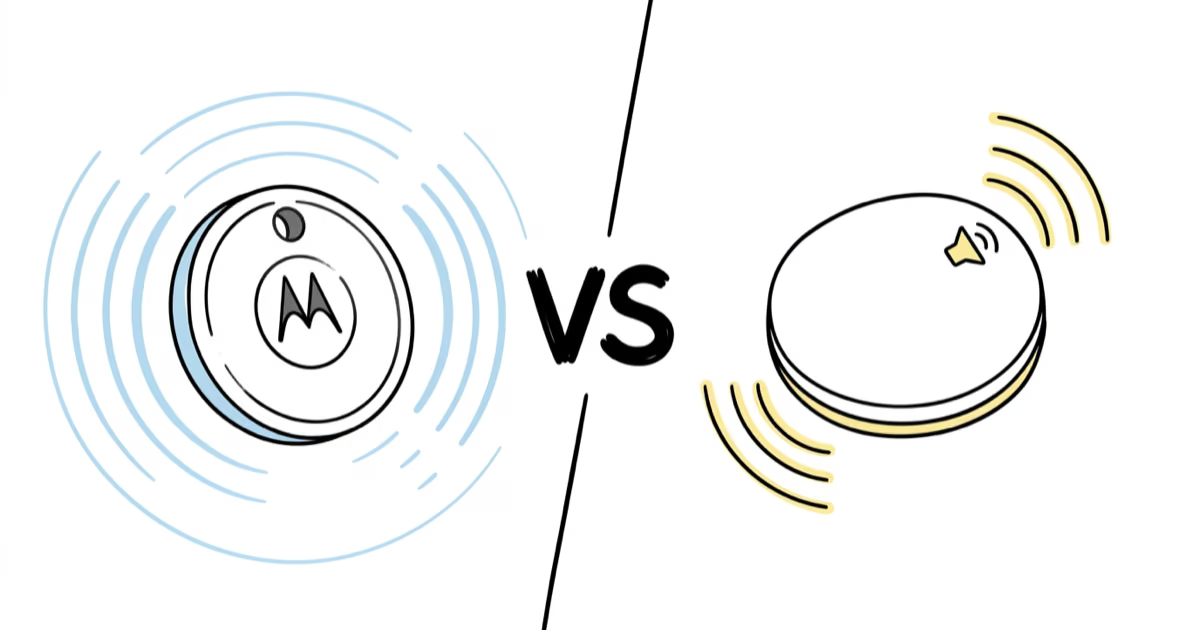
UWB turns "somewhere in this room" into "three steps to your left," but it only fires under two conditions. First, you need a UWB-capable phone — a Pixel 6 Pro or newer, a Galaxy S21 Ultra or newer; without one you drop to Bluetooth proximity and lose the arrow. Second, you have to be within ~10 meters. Beyond that the crowd-sourced relay decides freshness, not the radio in your hand. In our Pixel 8 Pro testing the arrow pointed within ~15° of true and recovered a tag behind a couch cushion in under 20 seconds. The simple rule: UWB matters when you're physically searching a known area; the wider Find Hub network matters when an item is truly lost.
Buy it if you own a Pixel, OnePlus or Motorola phone and want UWB on a native Find Hub tracker — this is the core audience, since SmartTag locks UWB to Galaxy. Galaxy owners who want cross-brand freedom can choose it too. The 4-pack is where the value lives: the $69.99 U.S.-launch 4-pack drops the per-unit cost to ~$17.50. Don't buy it on iPhone (it does nothing beyond an anti-stalking alert — get an AirTag), or for real-time tracking of something moving through low-density terrain like a working dog or a stolen vehicle — that's a job for a cellular GPS tracker. Mixed iPhone/Android households should look at a Chipolo Pop that joins either network.
Full library
15 articles, with the curated path first.
Moto Tag Guide questions