The best GPS tracker necklace for most seniors is the Bay Alarm Medical SOS Mobile, a monitored cellular pendant with two-way voice and no phone needed. For a simpler all-in-one, the Lively Mobile2 is easier to use; SecuLife adds geofencing for less. Watch out for “necklaces” that are really phone-tethered panic buttons, not real GPS trackers.
A GPS tracker necklace solves a problem a watch or clip can’t: many older adults will wear a pendant all day without thinking about it, the way they always have. The catch is that the category is full of look-alikes, and only some are true GPS devices.
According to the National Council on Aging, a worn, comfortable device that the senior accepts is the single biggest predictor of whether a medical-alert system actually gets used in an emergency.
- True GPS pendants need a cellular plan (~$25-$40/mo) — the device price is almost a distraction
- Bay Alarm SOS Mobile is the best overall — Verizon LTE, monitored, two-way voice, no phone needed
- Some “GPS necklaces” are BLE panic buttons — they share your phone’s location, not their own
- Fall detection is usually a $10/mo add-on — not included in the base plan on any of these
- Battery ranges from 40 hours to 6 days — a real factor for a daily-worn pendant
What to Look for in a GPS Tracker Necklace
The first thing to settle is whether you need standalone cellular GPS or a phone-tethered alert. A standalone pendant has its own SIM and reports its own location anywhere there is signal, with no phone involved at all. A phone-tethered one only works when the wearer’s own phone is switched on, charged, and within Bluetooth range, which is a lot to ask of a senior who is prone to leaving the house without it.
For a senior who wanders or lives alone, standalone cellular is the safe answer. Consumer Reports’ medical-alert guide recommends a monitored device with two-way voice for anyone at real risk of a fall.
After that, weigh comfort, battery life, and whether fall detection is included. With senior wearables, the device that gets worn every day beats the one with the longest spec sheet.
The Best GPS Tracker Necklaces and Pendants
Bay Alarm Medical SOS Mobile: Best Overall
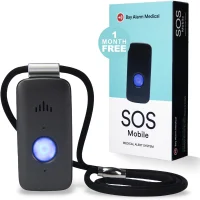
The Bay Alarm SOS Mobile is the most trustworthy pick here. It runs on Verizon’s 4G LTE network, connects to a US-based monitoring center with two-way voice, and works anywhere without a paired phone. Worn on a lanyard or clipped to a belt, it suits a senior who wants help one button away, backed by a brand with a long medical-alert track record behind it.
 Top Pick
Lively Mobile2: Best Simple All-in-One
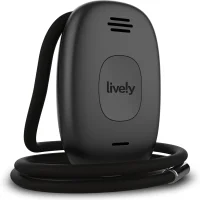
The Lively Mobile2, from Best Buy Health, is the easiest to live with: one button reaches a 24/7 agent through a built-in speakerphone, on the cheapest entry plan here.
 Best Value
SecuLife Fall Alert Pendant: Best Feature Set for the Price
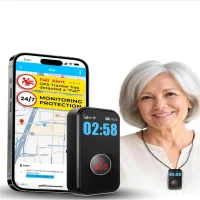
SecuLife packs the most into one pendant: standalone GPS, auto fall detection, two-way calling, geofencing, and a screen. It’s the caregiver geofence-alert pick on a budget.
Smart Med Alert Cellular Necklace: Best Waterproofing
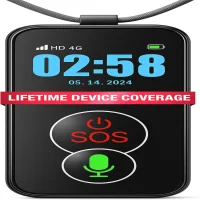
This one earns its place on IP67 waterproofing and caregiver tracking. It runs on AT&T LTE, blends GPS with WiFi and cell positioning, and connects to 24/7 monitoring with Spanish-speaking operators, which makes it a strong pick for a bilingual household that also wants a pendant safe to wear in the shower every single day. The low device sticker is misleading, though, because the real cost is the $39.95 monthly plan.
One More Option: invisaWear Smart Jewelry (a Panic Button, Not GPS)
One product deserves a mention with a clear warning attached. The invisaWear Smart Jewelry necklace ($129) is the most discreet thing here, because it looks like real jewelry and runs about a year on a coin cell with no required monthly fee.
On the jewelry-format theme, AirTag earrings take the same idea to Find My tracking.
But be clear about what it’s. It’s a Bluetooth panic button, not a standalone GPS tracker. A double-press alerts your chosen contacts and shares your phone’s location, so it only works when a charged phone is nearby. That makes it a fine personal-safety accessory for a phone-carrying adult, but the wrong choice for a senior who might wander away from their phone.
Are These Real GPS or Just Panic Buttons?
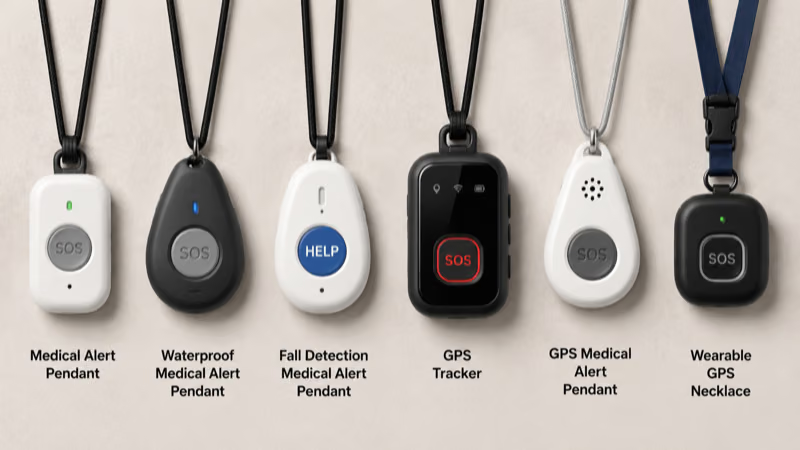
This is the trap that catches shoppers. A true GPS pendant has its own cellular connection and reports its own location, even if the wearer left their phone at home.
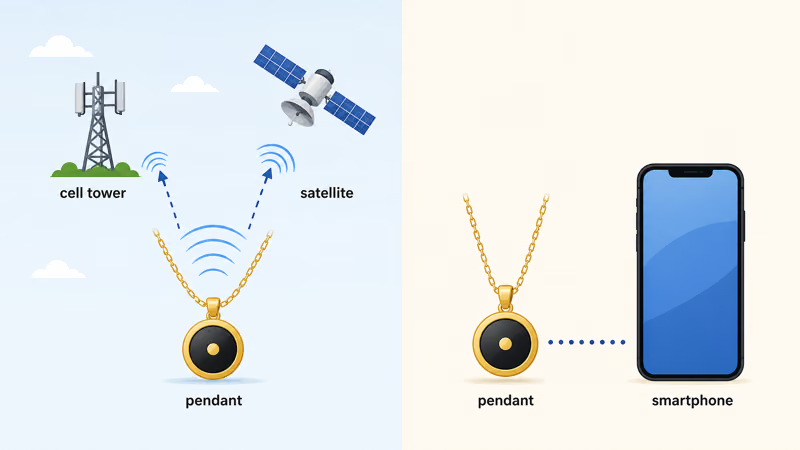
A phone-tethered panic button, like the invisaWear, has no cellular radio of its own. It talks to the wearer’s phone over Bluetooth and shares the phone’s location, which is fine for a younger, phone-carrying adult but the wrong tool for a senior who might wander away from a dead or forgotten phone, the exact moment a tracker matters most.
If you want the cheapest possible “tag” approach instead, an AirTag for an elderly parent is even more limited; it has no SOS button and no real-time location at all, as we explain in that guide.
How Much Do GPS Necklaces Cost?
The device price is the small number. The monthly plan is the real cost, and it runs from about $24.99 a month (Lively) to $39.95 (Smart Med Alert), with fall detection adding roughly $10 on top. AARP’s caregiving guide found that the recurring fee runs roughly $300 to $480 a year, far more than families expect from the cheap device sticker.
Over three years, a true monitored GPS necklace totals $900 to $1,600 with the plan included. For the broader field beyond necklaces, our best GPS trackers for elderly guide ranks clips and other form factors too.
Fall Detection and Monitoring Plans
Fall detection is the feature most worth understanding before you commit. On every pendant here it’s an optional add-on of roughly $10 a month, never a default. The SecuLife and Smart Med Alert bundle automatic fall detection into their plans, while Bay Alarm and Lively bill it separately.
Comparing the monitored plans side by side, the bundled-fall-detection options are easier for a worried family to reason about, since there is one fewer line item to forget. For a parent who pulls devices off entirely, the tracker for elderly who refuse to wear one guide covers concealed options that sidestep the whole “will they wear it” problem.
Necklace, Watch, or Clip: Choosing a Form Factor
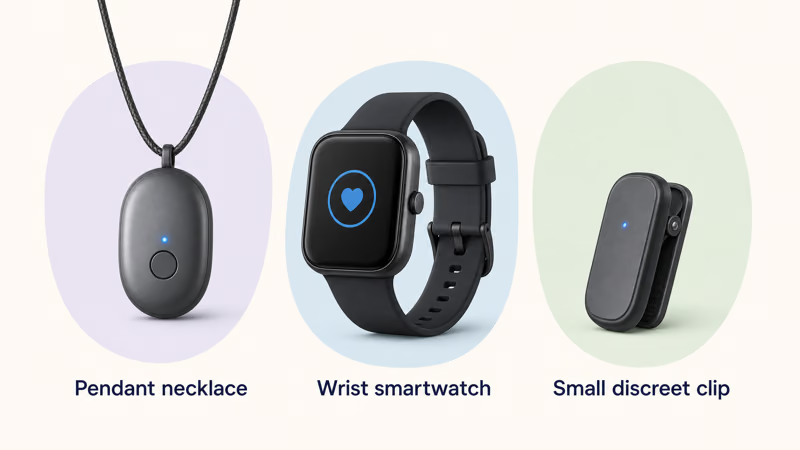
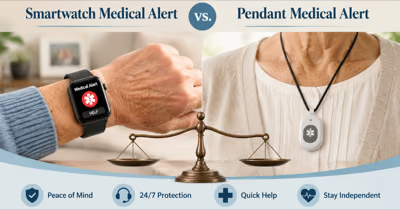
Form factor decides whether it gets worn: a necklace for someone used to one, a watch for a screen, or a hidden clip. Our medical alert watch or pendant guide walks through the choice.
If a smartwatch fits better, our Medical Guardian MGMove review and the MGMove vs Bay Alarm comparison cover the monitored-watch route instead.
Bottom Line
For most seniors, the Bay Alarm Medical SOS Mobile is the best GPS tracker necklace: monitored, standalone cellular, and easy to wear. Choose the Lively Mobile2 for simplicity, or SecuLife for geofencing on a budget.
Whatever you pick, budget for the monthly plan and confirm the device is a real cellular GPS, not a phone-tethered panic button, before you buy.
FAQ
What is the best GPS tracker necklace for seniors?
For most people the Bay Alarm Medical SOS Mobile is the best overall. It's a monitored cellular GPS pendant with two-way voice that works without a paired phone, on Verizon's 4G network. The Lively Mobile2 is a simpler, cheaper alternative, and SecuLife adds geofencing for less.
Do GPS tracker necklaces need a phone?
The real ones don't. Standalone cellular pendants like the Bay Alarm, Lively, SecuLife, and Smart Med Alert have their own SIM and report their own location anywhere there is signal. Only phone-tethered panic buttons, such as the invisaWear, depend on the wearer carrying a charged phone.
How much does a GPS necklace cost per month?
Plans run from about $24.99 a month for the Lively Mobile2 to $39.95 for the Smart Med Alert, with fall detection usually adding around $10. The device itself is often cheap or even free, so the monthly plan is the number that matters when you compare options.
Do these necklaces have fall detection?
Most do, but it's almost always an optional add-on of about $10 a month rather than a default feature. The SecuLife and Smart Med Alert include automatic fall detection in their plans, while Bay Alarm and Lively charge extra for it. Budget for it if the wearer has a history of falls.
Is an AirTag good as a GPS necklace for an elderly person?
No. An AirTag has no SOS button, no fall detection, and no real-time location; it only shows a last-seen Bluetooth position when another iPhone passes by. It can supplement a real device but should never be the only safeguard for a senior who might wander.
Are GPS tracker necklaces waterproof?
It varies. The Lively Mobile2 is IPX7 and the Smart Med Alert is IP67, both safe for showering, while SecuLife is only splash-resistant and should come off in the shower. Always check the rating, because a senior who showers daily needs a pendant that survives it.
What is the difference between a GPS necklace and a panic button?
A GPS necklace with cellular service tracks its own location and connects to help on its own. A panic button like the invisaWear is jewelry that pairs to your phone over Bluetooth and shares the phone's location when pressed. The panic button is discreet and fee-free but useless if the phone is dead or absent.