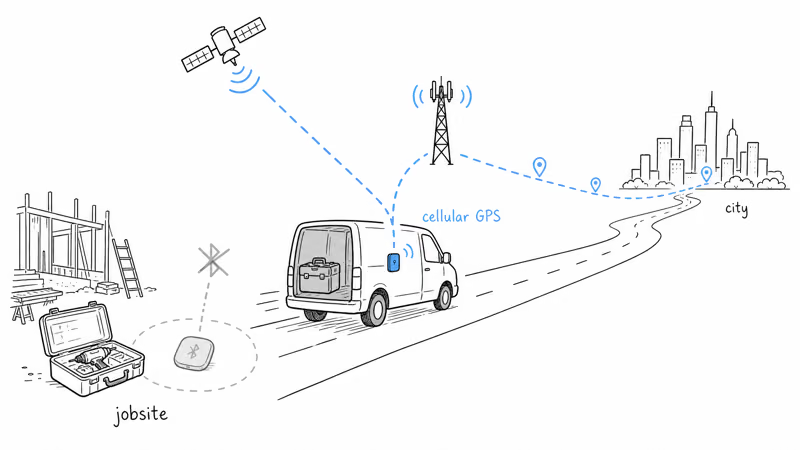
Stolen power tools rarely turn up unless you can show police a live location, which is why the best GPS tracker for power tools uses a cellular connection rather than Bluetooth. The U.S. government’s GPS system overview confirms that the satellite constellation provides positioning worldwide, the backbone a cellular tracker rides to pinpoint a stolen tool.
This guide separates cellular real-time trackers from Bluetooth proximity tags, names our top picks for each, and covers concealment and subscription cost so you tag tools the right way.
- Cellular GPS recovers stolen tools — it reports live location over the mobile network, far beyond Bluetooth range
- Bluetooth tags are proximity only — they help inside 1 van or shop, not after a theft across town
- Cellular trackers need a subscription — a data plan is required for the live cellular link
- Concealment matters — hide the tracker inside a tool case or battery cavity, not on the surface
- One cellular tracker can cover a whole tool bag rather than tagging each item
Cellular GPS vs Bluetooth: Which Do Power Tools Need?
The core decision is cellular GPS versus Bluetooth, and for theft recovery cellular wins. A cellular tracker carries its own mobile data connection, so it reports location from anywhere with coverage, even mid-highway. A Bluetooth tag, by contrast, only updates when another phone running the same network walks past, which almost never happens once a thief clears a populated area and heads for a chop shop or a remote lockup.
A Bluetooth tag can go dark once a tool case leaves a busy site, while a cellular tracker keeps reporting live position out of town. The U.S. government’s GPS accuracy page states that the system delivers location within about 16 feet, which is why a cellular feed can narrow a stolen case to a single parking lot. For the full breakdown, see our Bluetooth vs GPS trackers comparison.
Spytec GL300: Best Cellular Tracker for Power Tools
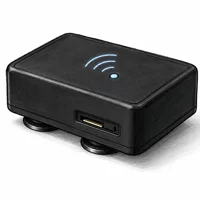
The Spytec GL300 is our top pick. It delivers live cellular tracking in a body small enough to hide in a tool case, pairs with a magnetic weatherproof enclosure, and pushes real-time location plus movement alerts to its app.
 Top Pick
Tracki GPS: Best Budget Cellular Option
The Tracki GPS is the budget cellular pick, offering the same live-location benefit as the Spytec in an even smaller body. According to Tracki’s product listing, the unit weighs about 1 ounce, light enough to tag a single high-value drill or a shared tool bag without paying for several trackers.
 Best Value
When a Bluetooth Tag Is Enough
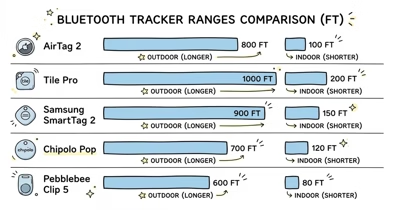
A Bluetooth tag is enough when your tools stay in one van or workshop and you mainly want to find a misplaced drill, not recover a stolen one. According to Apple’s AirTag product page, the tracker relays location through a network of more than 1 billion Apple devices rather than its own cellular link, which is plenty of density in a city but thins out fast on a rural site.
That’s why a tag pings fast in a busy shop but goes silent on an empty back road. The Milwaukee Tick is a popular jobsite Bluetooth tracker built for tool ruggedness, and our Milwaukee Tick review covers how it fits the One-Key inventory system that many crews already run.
The trade-off is range. A Bluetooth tag goes silent the moment tools leave a paired phone’s reach. Treat it as inventory, not security.
Where Should You Hide a Tracker on Power Tools?
The best hiding spots are inside the tool, not on it: a battery cavity, a case handle hollow, or under tool-box foam. A thief who spots a tracker just removes it, so concealment is the whole game.
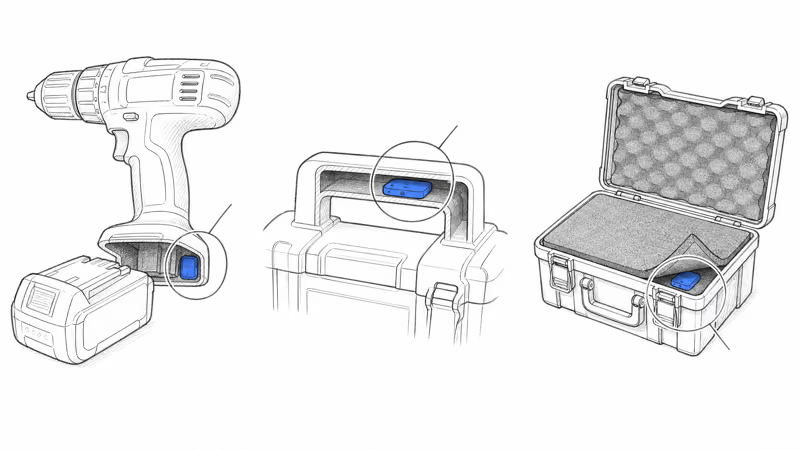
Use the magnetic weatherproof case to mount a cellular tracker inside a metal tool box where it stays out of sight. A fully sealed steel box can weaken the signal, so confirm the tracker still reports from its hiding spot before relying on it.
Budgeting for the Monthly Subscription
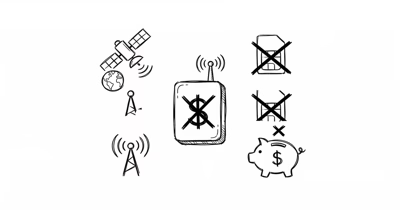
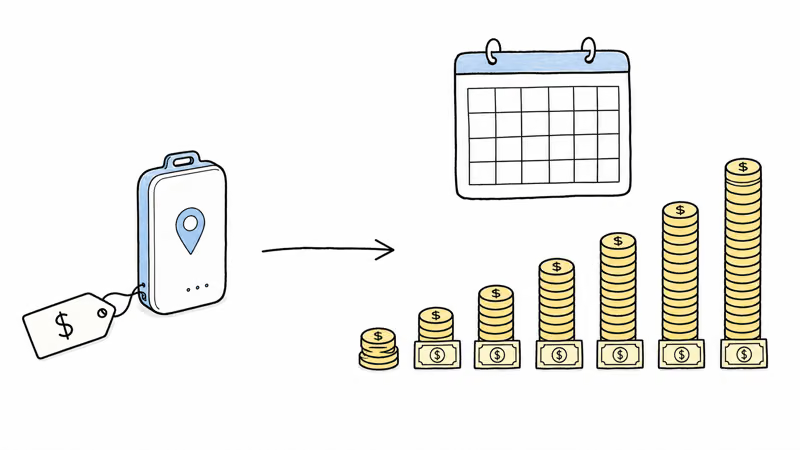
Hardware is the small number; the subscription is the real cost. A cellular data plan runs roughly $10 to $30 a month depending on update frequency, so two years of service can outrun the tracker’s purchase price. Budget for the plan up front, because a cellular tracker with a lapsed subscription is just dead weight in a tool box when a theft finally happens.
Bottom Line
The best GPS tracker for power tools is the Spytec GL300 for most contractors, because cellular tracking is the only technology that recovers tools stolen off a site. The Tracki GPS is the budget cellular alternative, while a Bluetooth tag like the Milwaukee Tick suits in-shop inventory but can’t recover stolen tools. Whichever you choose, hide it inside the tool and budget for the subscription.
FAQ
Do GPS trackers for power tools need a subscription?
Cellular GPS trackers need a data plan because they use the mobile network to report live location. Bluetooth tags don't need a subscription, but they only work within range of a paired phone and can't recover stolen tools.
Can a thief find and remove a GPS tracker from a tool?
A thief can remove any tracker they can see, which is why concealment matters. Hide the tracker inside a battery cavity, a case handle, or under foam so it keeps reporting location during a theft.
Will a metal tool box block the GPS signal?
A fully sealed metal box can weaken a cellular and GPS signal. Test the tracker inside the closed box before relying on it, and consider mounting it near a seam or plastic panel for better reception.
Is an AirTag good enough for power tools?
An AirTag is a Bluetooth tracker, so it helps locate tools nearby but can't report live location after a theft. For jobsite anti-theft, a cellular GPS tracker is the better choice.
How many trackers do I need for a tool bag?
One cellular tracker hidden in a tool bag can cover everything inside as long as the bag stays together. For tools that travel separately, add a tracker to each high-value item.
How long does a GPS tracker battery last on a jobsite?
Battery life depends on how often the tracker reports location. Frequent real-time updates drain the battery faster, while a slower update schedule or a wired power source extends runtime significantly.