A GPS tracker may be one part of a safety plan, but a person removing or rejecting it communicates something important. The safe response isn’t to make the device harder to find or remove.
Start with the adult, the specific risk, and the support already around them.
- Don’t defeat refusal. Hidden shoe inserts, clothing attachments, locked wearables, bed mounts, and secret account access can create privacy, distress, restraint, and safety problems.
- Check for a change. New refusal, agitation, pain, confusion, skin irritation, or trouble using a familiar device deserves attention before another tracker trial.
- Separate consent from authority. A diagnosis, family role, care responsibility, or document title does not automatically answer who may authorize location monitoring.
- Build the non-device plan first. People, routines, current photos, contact procedures, setting safeguards, and official missing-person response matter even when technology works.
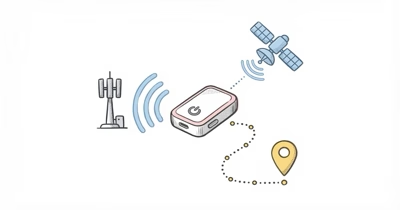
- Treat every location as fallible. Coverage, charging, indoor conditions, device separation, account state, and service design can delay or remove a usable point.
What Does Tracker Refusal Tell You?
Refusal is a signal.
Refusal is not a diagnosis or a product category. The device may be uncomfortable, unfamiliar, stigmatizing, difficult to charge, confusing, or inconsistent with the adult’s privacy preferences. A sudden change can also accompany pain, illness, sensory difficulty, medication effects, or increased confusion. Ask what feels wrong and involve the appropriate health or care professional when the change is new or concerning.
National Institute on Aging guidance emphasizes that support should balance assistance with as much independence as possible and recognize that personal care can feel embarrassing or upsetting. That principle applies by analogy here: preserve dignity and look for the source of distress instead of escalating control.
Don’t divide people into “sensory” or “cognitive” refusal from one interaction. Record what happened, when, with which device, and what the adult said or did. Patterns are more useful than a label.

Check Immediate Safety and Health Changes
Start with what changed.
If the adult is present and safe, slow the decision down. Check whether a strap rubs, a clip catches, a charger is confusing, a notification startles them, or the device interferes with clothing, mobility equipment, sleep, or a familiar routine.
Don’t diagnose the cause yourself. A qualified professional can help assess a new change in cognition, behavior, pain, skin condition, mobility, medication, hearing, or vision when relevant.
If wandering or getting lost is a concern, update the wider plan rather than waiting for a purchase. The Alzheimer’s Association states that safety measures can reduce risk but can’t guarantee that a person won’t wander.
Immediate danger or a missing person requires the applicable local emergency or missing-person process. A device decision can wait.
Use a Consent, Capacity, and Authority Decision Path
Authority is decision-specific.
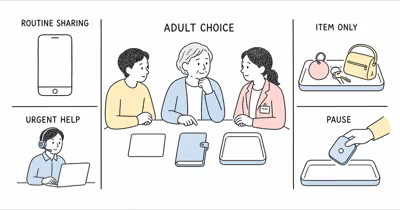
When an adult understands the choice and refuses location tracking, don’t convert fear or convenience into secret monitoring. Ask whether a different, less intrusive support would meet the actual need. When decision-making ability is uncertain, support the adult’s participation as fully as possible. Seek the appropriate qualified local health, care, legal, safeguarding, or advocacy guidance before deciding who may authorize what.
Don’t assume that being a spouse, adult child, caregiver, guardian, or power-of-attorney holder settles the question. Authority can be task-specific, document-specific, jurisdiction-specific, and subject to current duties or limits.
Only use location monitoring with their consent or through a current qualified authorization process that applies to the specific decision and setting.
Facility residents have another layer of rights and policy. Current CMS resident guidance confirms rights that include privacy, dignity, respect, and freedom from restraints used for discipline or staff convenience. That federal facility scope should not be generalized into a universal tracking rule, but it’s a reason to involve the care team and resident-rights process.
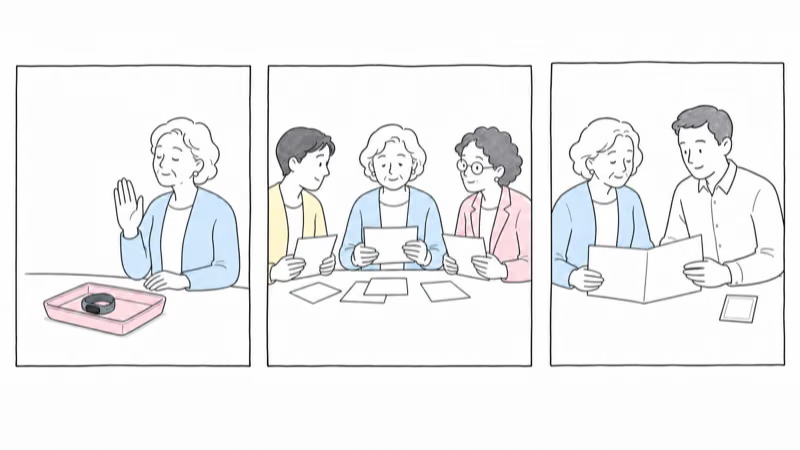
Build a Non-Tracking Safety Plan First
The human plan comes first.
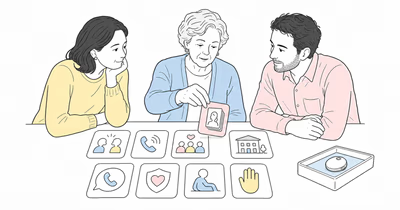
A tracker can’t replace prevention, supervision, communication, or response. Start with the supports that still work when a battery is flat or a device is left behind. Keep an up-to-date photo, description, health and communication information, likely destinations, trusted contacts, and the local response procedure in one private place. Agree on who checks in, who calls whom, and when the situation becomes urgent.
Review routines and setting-specific risks with the adult and care team. Familiar activities, appropriate companionship, transport support, identification, home or facility safeguards, and a documented response plan may reduce risk without adding a wearable.
The consent-first aging-parent location-support guide provides the broader planning sequence. Use it before selecting technology.
The Alzheimer’s Association states that no location system is 100% accurate and that tracking isn’t the same as a 24-hour companion.

When Is a Tracker Still Appropriate?
Make any trial reversible.
A transparent trial may be reasonable when the adult agrees, the purpose is specific, the device is comfortable, and the people responsible can maintain and respond to it. Define what the device can and can’t answer. Review coverage, indoor limits, update behavior, battery, charging, false alerts, who sees data, retention, account recovery, removal, and what happens when the service fails.
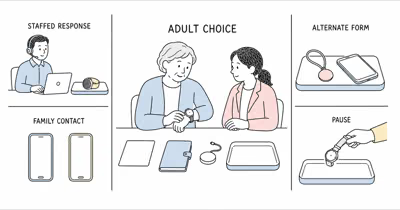
Let the adult handle or try the device when possible. Use the least intrusive form that meets the agreed need, and set a review date. A support person should not quietly change a voluntary trial into permanent monitoring.
Pause if the answer changes.
If the adult later objects or becomes distressed, pause and review the plan through the agreed care and authority process. Don’t escalate to concealment, locked straps, tamper-resistant clothing attachments, or listen-in features.
AirTag belongs only on a disclosed personal item. The AirTag aging-parent item-boundary guide explains why a point for keys or a bag is not a person’s live location or safety status.
Don't Turn Refusal Into Hidden Tracking
Concealment is not consent.
Don’t hide a tracker under a shoe insert, inside clothing, in bedding, on a bed rail, under mobility equipment, or in a room to make it invisible to the adult. Those placements can separate from the person, create discomfort or hazards, involve other people, violate setting rules, and remove a meaningful way to object.
Don’t use a locking wristband or removal-resistant attachment merely to make care easier. A device the person can’t readily remove may raise restraint, skin, circulation, dignity, and authorization questions that require qualified assessment and current setting rules.
Preserve unwanted-tracking safeguards on compatible item finders. Apple confirms that supported Apple and Android notifications and device sound help alert people when a compatible tracker may be moving with them without their knowledge.
Don’t mute, damage, rename, or reposition a device to defeat those protections.
Coordinate With the Care Setting
Assign responsibility before alerts.
A residential community, nursing facility, day program, transport service, hospital, or workplace may have its own privacy, consent, device, charging, data, search, restraint, and emergency procedures.
Ask who approves the arrangement, who receives alerts, who charges and inspects the device, who documents refusal, and who acts on a location point. A family-owned account does not make staff responsible unless the current plan says so.
Limit viewers to people with a current role. Remove former staff, relatives, transport providers, or temporary caregivers when access is no longer needed.
Respond Safely When the Person Is Missing
Use the official response.
Use the agreed local emergency or missing-person process without waiting for a device to refresh. Give responders the last confirmed contact, current description, relevant health or communication needs, likely places, and the device’s timestamp and uncertainty.
Treat a location point as one fallible lead. The tracker may be delayed, indoors, offline, charging, discarded, attached to another item, or separated from the person.
Don’t enter private property, confront someone, or pursue a moving point yourself. Let trained responders decide how to use the information.
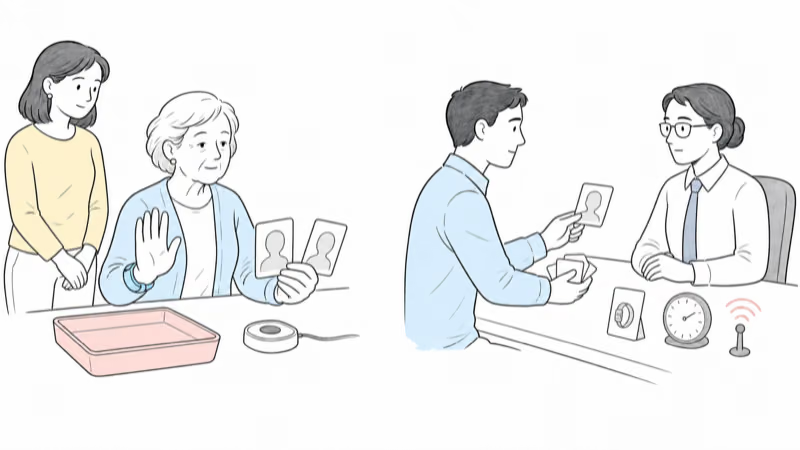
Review and End the Arrangement
End access when the purpose ends.
Review the plan whenever consent, capacity, risk, symptoms, housing, caregivers, policy, accounts, hardware, software, or service terms change.
Record recurring false alerts, charging failures, discomfort, removal, and device separation. A tool that creates distress or can’t support the agreed response may no longer be appropriate. When the purpose ends, stop sharing, remove viewer access, cancel the service when appropriate, reset or dispose of hardware safely, and tell the adult what changed.
Bottom Line
An aging adult’s refusal is not a form-factor problem to solve with a hidden or locked tracker. It changes the safety conversation.
Pause, look for discomfort or a new health change, clarify consent and authority, build the human response plan, and use a transparent device trial only when it’s appropriate for the person and setting.
FAQ
What should I do when an aging parent refuses a GPS tracker?
Pause the tracker decision and ask what feels wrong. Check comfort, privacy, usability, and any new health or behavior change. Clarify consent or authority, then strengthen the non-device safety and missing-person plan before considering another transparent trial.
Can I hide a GPS tracker from an aging parent who refuses it?
Don't treat refusal as permission for secret monitoring. Hidden shoe, clothing, bedding, mobility-equipment, or room placement can create privacy, distress, safety, setting-policy, and device-separation problems. Use qualified local guidance when decision-making ability or authority is uncertain.
Does dementia mean a family member can authorize tracking?
No single diagnosis or family role answers that question. Decision-making ability and legal authority can be specific to the decision, document, place, and time. Involve the adult and seek the appropriate qualified local care, health, legal, safeguarding, or advocacy guidance.
Is a locking GPS wristband a safe answer to tracker removal?
Not as a convenience workaround. A device the person can't readily remove can raise comfort, skin, circulation, dignity, restraint, consent, and facility-policy concerns. It requires individualized qualified review and an appropriate current care plan.
How can I reduce wandering risk without a tracker?
Build a person-specific plan with the adult and care team: familiar routines, appropriate companionship, current records, trusted contacts, setting safeguards, likely destinations, and a clear local missing-person response. No single measure guarantees prevention.
Can a care facility use a tracker supplied by the family?
Only through the facility's current resident-rights, privacy, consent, device, data, charging, and response process. Ask who approves it, maintains it, receives alerts, documents refusal, and acts on a point. Family ownership alone does not assign responsibility to staff.
What should I do if the person is missing?
Use the applicable local emergency or missing-person process immediately. Share the last confirmed contact, current description, relevant needs, likely places, and any device timestamp. Don't wait for a refresh, enter private property, confront someone, or pursue a point yourself.