The Invoxia Cellular GPS Tracker is the best drone tracker because it’s the lightest cellular unit here and adds no monthly fee. A flyaway then shows on a map even after the controller link drops.
A lost-link flyaway or a battery-sag crash drops a drone where your phone’s last-known pin can’t help, and a downed quad in tall grass is invisible from ten feet away. A small cellular tracker zip-tied to the airframe keeps reporting coordinates the whole time. According to the FAA’s drone registration rules, any drone over 250 grams must carry a registration number anyway, so most owners already fly a craft that can spare a few grams.
- Lightest pick: Invoxia Cellular at roughly 1.4 ounces, with no monthly fee for 3 years
- Longest battery: Tracki Pro at up to 1 year in power-save mode on a 10,000 mAh cell
- Fastest updates: Spytec GL300 reports at 5-second intervals during an active recovery
- Payload rule of thumb: keep a tracker under about 5% of your drone’s max takeoff weight
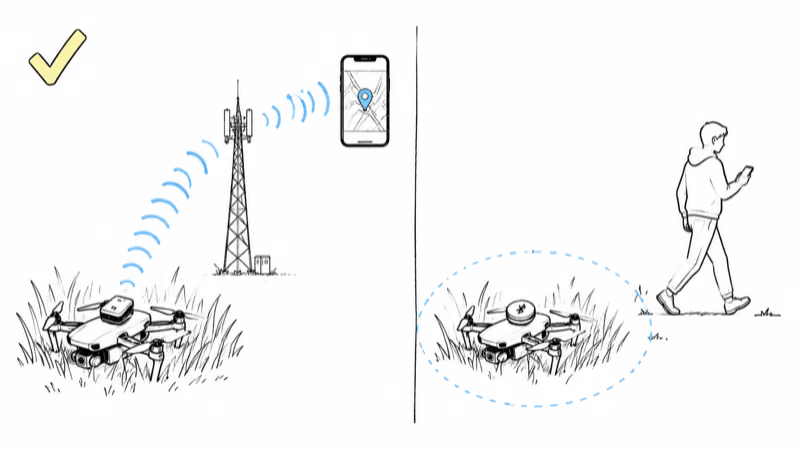
- Cellular beats Bluetooth because a tracker reports over 4G LTE anywhere with signal, not within 30 feet
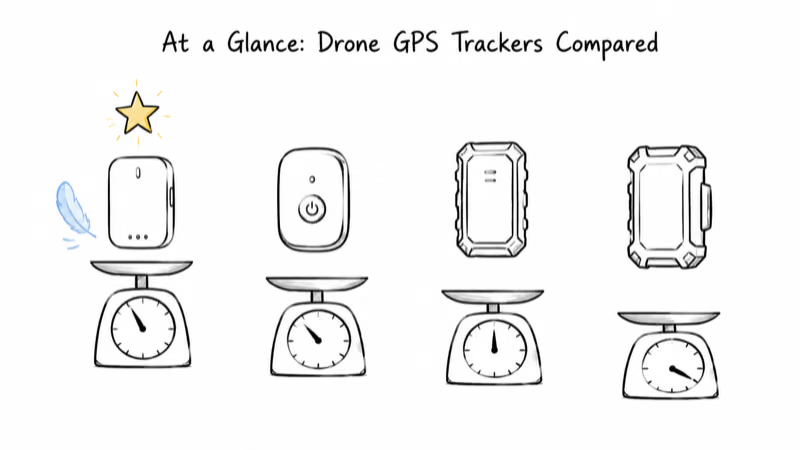
At a Glance: Drone GPS Trackers Compared
The table below summarizes the four picks covered in detail below. Weight is the gating spec for a drone, so it leads the table; subscription cost is the long-run number that separates them.
| Tracker | Weight (approx) | Hardware | Subscription | Battery |
|---|---|---|---|---|
| Invoxia Cellular | ~1.4 oz | $130 | None (3 yrs included) | 4 months |
| Tracki Pro | ~6 oz | $36 | From $20/mo | Up to 1 yr power-save |
| Spytec GL300 | ~2.4 oz | Free w/ plan | From $34.95/mo | 2.5 weeks |
| LandAirSea 54 | ~1.7 oz | $30 | From $15/mo (annual) | 2 weeks |
None of these are purpose-built drone trackers. They’re compact cellular asset trackers light enough to ride along, and the right one depends on your drone’s payload margin and how much battery you want between charges.
How Much Weight Can a Drone Carry?
The first question isn’t brand. It’s how many grams your airframe can spare without hurting flight time or stability.
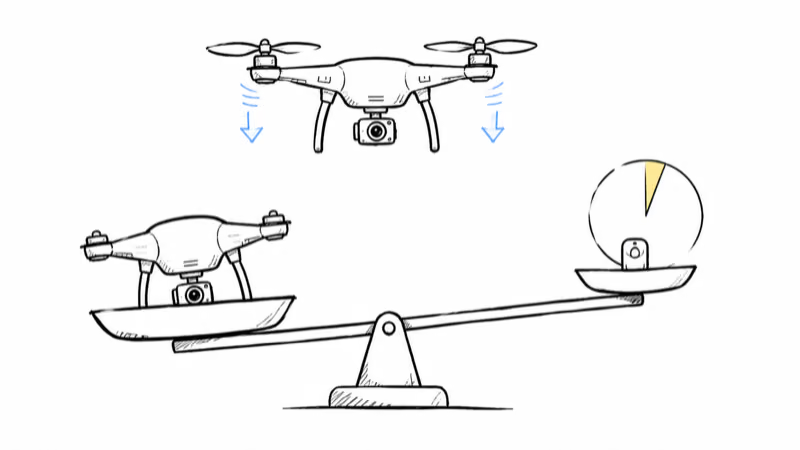
A safe rule of thumb is to keep any add-on tracker under about 5% of the drone’s maximum takeoff weight. A 900-gram folding drone can carry a 40-gram tracker with a small flight-time hit; a 249-gram sub-registration drone usually can’t carry anything without crossing the FAA threshold and degrading handling.
A 40-gram unit zip-tied to the belly of a mid-size quad typically costs a noticeable slice of hover endurance and shifts the center of gravity enough that the craft needs re-trimming. That’s why the lightest unit leads this list.
The GPS tracking unit overview notes that most trackers send location over a cellular modem to a server. That’s exactly the radio you need when a craft drifts a mile downrange and a Bluetooth tag has gone dark. Weight buys you that radio, so the simple discipline is to pick the lightest unit your specific airframe will tolerate without a meaningful flight-time penalty.
The Best Drone GPS Trackers in 2026
Each pick below is ranked on published weight, cellular range, battery life, and running cost, the four specs that decide whether a unit can ride along on a drone and still bring it back. The picks trade weight against battery life and running cost.
Invoxia Cellular: Best Overall Drone Tracker
The Invoxia Cellular GPS Tracker is the default pick because it’s the lightest cellular unit here and carries no monthly fee for three years. For a hobby drone flown a few weekends a month, that combination is the whole argument: it adds the fewest grams to your payload budget, the slim body sits flush under a zip tie, and you never pay a recurring bill for coverage you need only on the rare flight that goes wrong.
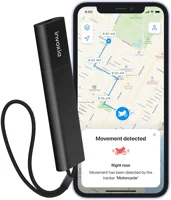
As the lightest unit of the four, the Invoxia adds the smallest flight-time penalty on a folding quad, and because it reports over cellular it can surface a location after the craft goes dark in a field, which is the scenario that matters. Its anti-theft motion alerts also fire if someone walks off with a downed drone before you reach it.
The trade-offs are honest. The 4-month battery is shorter than the long-life portables, and the IP33 splash rating tolerates damp grass but not a water landing. Buyers who hate recurring bills can compare it against other no-fee GPS trackers that bundle service.
Tracki Pro: Best Battery Life
Tracki Pro is the pick when you fly far from home or store the drone for weeks between sessions. Its 10,000 mAh battery is rated up to a year in power-save mode, so the tracker is still alive when you finally need it after a long off-season. The IP67 waterproof rating also survives a wet landing the Invoxia can’t.
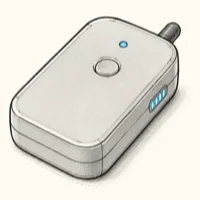
The catch is weight. At roughly six ounces it’s the heaviest unit here, so reserve it for a heavy-lift hexcopter or a cinema rig with real payload headroom, never a sub-pound folder.
The global SIM is the underrated feature: it keeps reporting across regions where a domestic-only plan can go silent. The full spec breakdown is in our Tracki Pro review, and it shows up again in the SpyTec versus Tracki comparison for owners cross-shopping the two units on coverage and battery before they commit to either ecosystem of plans.
Spytec GL300: Best for Fast Recovery Updates
Spytec GL300 is the pick when a drone is drifting in real time. Its 5-second update interval is the fastest here, and at about 2.4 ounces it suits most mid-size quads.

According to Spytec’s published specs the GL300 runs about 2.5 weeks per charge at default reporting, the longest of the budget portables. The app shows a clean live route, which is exactly what you want if a downed craft gets picked up by a passerby and starts moving before you reach it.
The downside is the $34.95/month subscription, the highest here, and the base unit isn’t magnetic, so an airframe mount needs a zip tie or adhesive case. For owners who value update speed over the lowest bill, it’s the steady mid-tier choice that earns its premium. The full spec breakdown, including a head-to-head against the slower budget portables, is in our Spytec GL300 review, which covers the update-rate detail behind this ranking.
LandAirSea 54: Best Budget Pick
LandAirSea 54 is the value entry: a $30 unit on a $15/month annual plan, the lowest live-tracking subscription here. At about 1.7 ounces it’s the second-lightest pick.
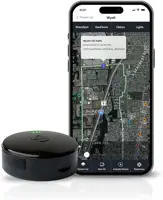
The magnet does nothing on an all-plastic-and-carbon airframe, so plan on a zip tie or the included adhesive for the drone itself. The 2-week battery also means a recharge cycle twice a month during active flying season.
For a budget recovery setup it covers the essentials: live 4G LTE, geofence alerts, and a small body. Our LandAirSea 54 review covers the magnetic mount and subscription tiers, and the LandAirSea 54 versus Spytec comparison weighs it directly against the GL300.
Why Not Use a Bluetooth Tracker Like an AirTag?
It’s the obvious cheap idea, and it has a real limit. An AirTag or Tile has no GPS and no cellular radio, so it only updates when someone else’s phone passes within about 30 feet of your downed drone. Pilot Institute’s drone flyaway guide notes that most flyaways start when the controller-to-drone link is severed, exactly the moment a Bluetooth tag has no nearby phone to talk to.
In an open field, on a hillside, or in a tree line, no phone ever gets that close, and the tracker stays silent. A Bluetooth tag is a fine last-ditch backup that costs nothing to add, but it can’t replace a cellular unit for recovering a craft that drifted somewhere remote.
The recovery-range math is the same one that drives our best GPS tracker for boats guide: only a live cellular tracker keeps reporting from a spot no passerby will ever walk past.
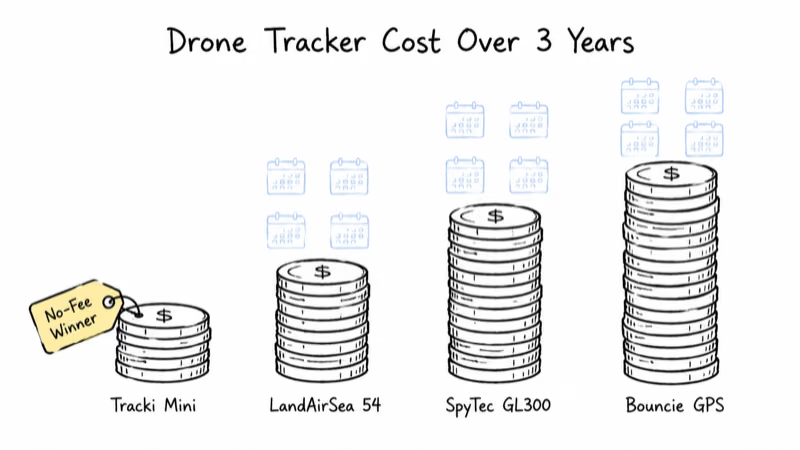
Drone Tracker Cost Over 3 Years
Hardware is the small number for most of these. The subscription dominates the three-year total, and the no-fee Invoxia inverts the usual ranking.
| Tracker | Hardware | Subscription | 3-year total |
|---|---|---|---|
| Invoxia Cellular | $130 | None (3 yrs) | About $130 |
| LandAirSea 54 | $30 | $15/mo annual | About $570 |
| Tracki Pro | $36 | $20/mo | About $756 |
| Spytec GL300 | Free w/ plan | $34.95/mo | About $1,258 |
The cheapest three-year path is the Invoxia at about $130 all-in, because the three years of service are baked into the hardware price. After that, LandAirSea 54 at about $570 is the value leader, while the premium Spytec sits highest at about $1,258 in exchange for the fastest updates. Cross-shoppers weighing pure running cost should also see our vehicle OBD tracker guide, where the same subscription math plays out on cars.
The Legal Side of Tracking Your Own Drone
Yes. The tracker is on equipment you own, and US law only restricts placing a tracker on property that belongs to someone else without consent. Tracking your own drone is unambiguously legal and needs no disclosure.
Separately, the FAA states that any drone over 0.55 pounds must be registered and marked with its registration number, a $5 registration that’s valid for three years. A small recovery tracker doesn’t change those obligations, and it adds none of its own: it carries no transmitter that needs licensing and broadcasts nothing into controlled airspace. It just rides along quietly and helps you get a registered aircraft back when a flight goes wrong.
Bottom Line
The right drone GPS tracker is the lightest cellular unit your airframe can carry. The Invoxia Cellular wins for most owners because it’s the lightest pick here and bundles three years of service into the $130 price, so there’s no monthly bill nagging at a weekend hobby. A flyaway then shows on a map long after the controller link is gone.
For heavy-lift rigs that need a year of standby, Tracki Pro’s huge battery and waterproof shell justify its weight. Spytec GL300 buys the fastest recovery updates, and LandAirSea 54 is the budget value pick. Whatever you choose, make it cellular: a Bluetooth tag is a free silent backup but can’t bring back a craft that drifted out of phone range.
FAQ
What is the best GPS tracker for a drone?
The Invoxia Cellular GPS Tracker is the best overall pick because it’s the lightest cellular unit covered here and includes three years of service with no monthly fee. That combination matters on a drone, where every gram costs flight time and a hobby flyer doesn’t want a recurring bill. For larger airframes that need a long standby battery, the Tracki Pro is the stronger choice thanks to its 10,000 mAh cell.
How much weight can a drone carry for a tracker?
A safe rule of thumb is to keep any add-on tracker under about 5% of the drone’s maximum takeoff weight. A 900-gram folding drone can usually carry a 40-gram tracker with a small flight-time penalty, while a sub-250-gram drone generally can’t carry anything without crossing the FAA registration threshold and hurting handling. Always check your specific airframe’s payload rating before mounting a unit.
Can you use an AirTag to track a drone?
You can clip one on as a free backup, but it isn’t reliable for recovery. An AirTag has no GPS or cellular radio and only updates when a stranger’s iPhone passes within about 30 feet. A drone that lands in a field, a tree line, or a remote hillside rarely sees a passing phone, so the tag stays silent. Use it only as a silent last-ditch backup, not as your primary tracker.
Do drone GPS trackers need a subscription?
Most live cellular trackers do, because they use a 4G LTE SIM to report location. Monthly costs in this guide run from $15 to $35. The exception is the Invoxia Cellular, which bundles three years of service into its hardware price, so it has no separate monthly bill. Over three years the subscription is usually a larger expense than the hardware, so factor it into your decision.
How do you attach a GPS tracker to a drone?
The two practical methods are a zip tie through the airframe or a strip of hook-and-loop on the belly or a battery tray. A magnetic tracker like the LandAirSea 54 only grips steel hardware, which most carbon-and-plastic drones lack, so plan on a zip tie or adhesive for the craft itself. Keep the unit balanced near the center of gravity and re-trim before your first real flight, because even a light tracker shifts handling.
Will a GPS tracker survive a drone crash or water landing?
It depends on the rating. The Tracki Pro carries an IP67 waterproof rating that survives a wet landing and brief shallow submersion, while the Invoxia’s IP33 splash rating handles damp grass but not a water landing. For flying over lakes or coastline, choose an IP67-rated unit. No tracker is guaranteed to survive a high-speed impact, but a hard fall in a field is well within what these units tolerate.
Is it legal to put a GPS tracker on a drone?
Yes, in every US state, because the tracker is on equipment you own. The legal restriction on GPS trackers applies only to placing one on property that belongs to someone else without consent. Separately, the FAA requires any drone over 0.55 pounds to be registered for a $5 fee valid three years, but adding a recovery tracker doesn’t change that obligation. It simply helps you get a registered aircraft back.