SpotOn Nova is a GPS dog containment system that creates virtual boundaries without buried wire. The collar uses satellite positioning for fencing and an app for setup.
Its biggest advantage is portability. Owners can create fences and keep-out zones for irregular properties, travel locations, and areas where physical fencing isn’t practical.
Virtual boundaries can’t block traffic, predators, people, or other animals.
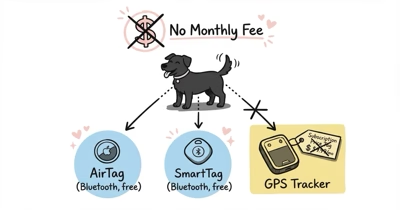
- Core containment has no required subscription. An optional cellular plan adds tracking, escape alerts, recall, and activity tools.
- Nova has a defined fit range. SpotOn lists dogs at least 15 lb and necks from 10 to 26 in.
- Training is part of the system. Boundary tones and optional feedback require gradual, supervised conditioning.
- Charging is faster than the old review stated. The current specification lists a one-hour full charge and all-day use rather than a 12–22 hour guarantee.
- A virtual fence isn’t a physical barrier. It doesn’t prevent outside hazards from entering the property.
SpotOn Nova: Complete Buying Summary
SpotOn’s current Nova product page states that the collar costs $999 before temporary discounts, financing, tax, or an optional tracking plan.
§ Review summary
SpotOn Nova GPS Dog Fence
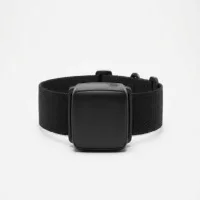
≡ Specs
- Purpose
- GPS dog containment with optional tracking
- Fence creation
- Walk or draw unlimited fences and keep-out zones
- Minimum property
- One-third acre listed for current Nova
- Dog fit
- At least 15 lb; 10–26 in neck
- Battery
- All-day manufacturer description
- Recharge
- One hour listed
- Protection
- Manufactured and tested to IP67 standard
- Containment subscription
- Not required
- Tracking plan
- Optional for remote location, alerts, and app commands
- Physical barrier
- No; outside hazards can cross the boundary
✓ Pros
- +Unlimited GPS fences and keep-out zones
- +Core containment works without a cellular subscription
- +Optional tracking, escape alerts, recall, and activity tools
- +One-hour listed recharge time
- +Portable design without buried wire or a base station
✗ Cons
- −Premium hardware price
- −Designed for dogs at least 15 lb with 10–26 in necks
- −Requires consistent supervised training
- −Tracking and remote features need a paid cellular plan
- −HotAirTag hasn't independently tested current containment or hardware
§ Buy if
- ·Buy if you need portable boundaries across large, irregular, or changing properties
- ·Buy if your dog fits the listed range and you'll complete structured training
- ·Choose a physical barrier when preventing outside hazards from entering is essential
How Does SpotOn Containment Work?
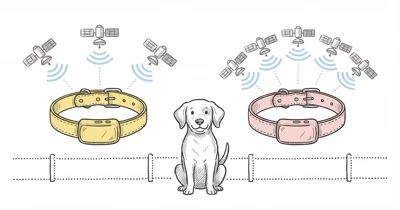
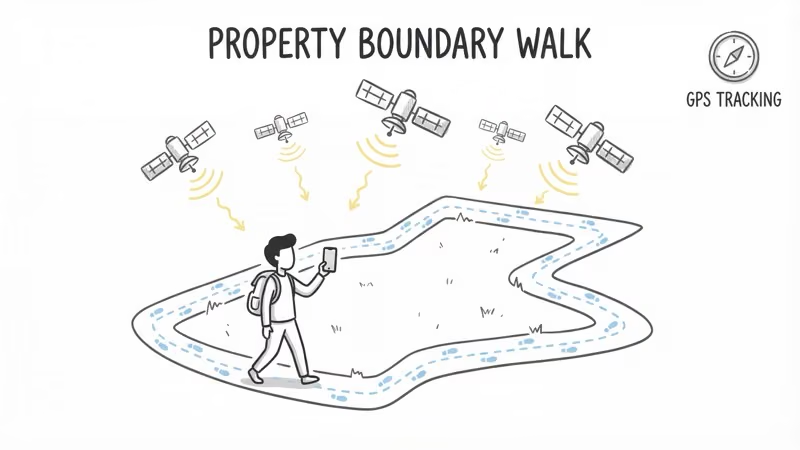
SpotOn uses GPS rather than a buried wire or local base station. Owners walk a perimeter or draw it in the app, then save the boundary to the collar.
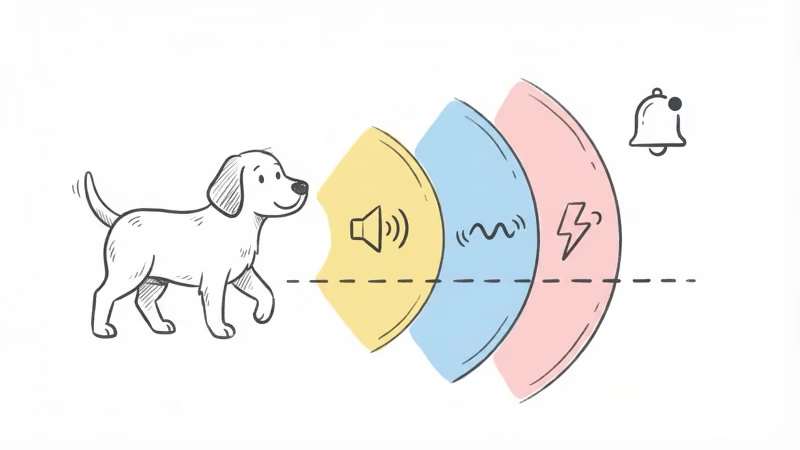
As the dog approaches an active boundary, the collar can provide progressive audio cues and optional feedback. The system still depends on a charged collar, adequate satellite conditions, correct fit, and completed training.
According to SpotOn’s current product specification, owners can create unlimited fences, keep-out zones, and home zones from one-third acre upward.
Containment is designed to operate without cellular service.
Training, Tone and Optional Feedback
The collar isn’t a self-training barrier; dogs must learn its boundary cues.
SpotOn’s training program uses flags, leash work, tones, and staged boundary practice. Owners can choose tone and vibration settings and control whether static feedback is enabled.
The AVMA overview explains electronic containment as conditioning rather than a physical barrier. The American Veterinary Society of Animal Behavior recommends reward-based training instead of aversive methods. Use the lowest-stress approach that works for the dog, and involve a qualified trainer or veterinarian when behavior or welfare concerns appear.
Train in a controlled area with a backup leash or long line.
Containment vs Optional Cellular Tracking
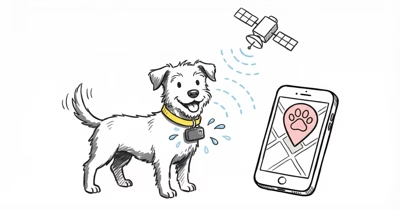
SpotOn’s cellular explainer confirms that GPS powers the fence while cellular service connects remote app features.
Without a plan, owners retain core fence creation and boundary enforcement. An optional cellular plan adds remote location, escape alerts, low-battery notifications, recall, manual feedback, and activity heatmaps.
The current plan page lists $9.95 monthly, $101.88 yearly, or $179.76 every two years as of July 24, 2026.
These are volatile checkout terms. Verify billing cadence, cancellation, carrier coverage, renewal, and any discount before subscribing.
Fit, Battery and Protection
Current Nova specifications list one adjustable collar for dogs 15 lb or heavier with 10–26 in necks. Measure the neck where the collar sits rather than relying on breed labels.
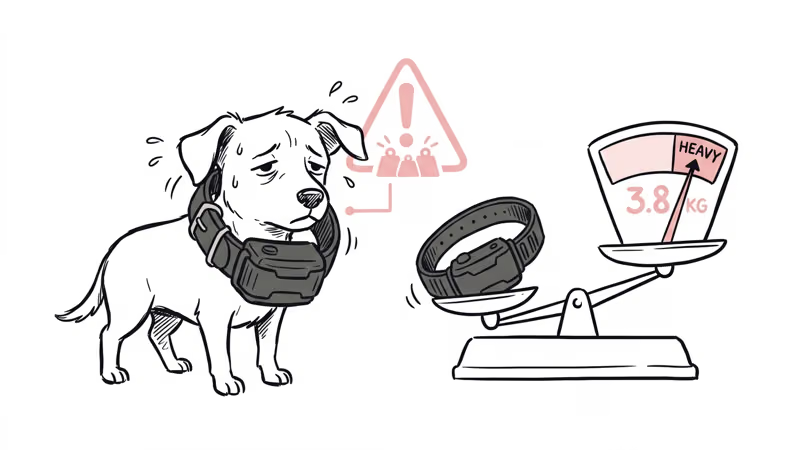
SpotOn describes all-day use and a one-hour full charge.
SpotOn’s terms of use state that the collar is manufactured and tested to IP67. Wear, punctures, heat, battery damage, and seal condition can change protection over time.
Inspect fit and enclosure condition daily.
Property Suitability and Safety Limits
GPS fencing makes the most sense on properties large enough for a clear warning zone and safe setback from roads, water, cliffs, livestock, and neighboring land.
SpotOn’s own terms say the system isn’t rated as a primary pet restraint and can’t stop predators from entering. A physical fence remains the safer boundary when outside hazards are severe.
Test every saved fence while the dog remains secured.
Portability is useful for travel, but a saved fence isn’t automatically safe at a new site. Recheck the map, boundary spacing, hazards, local rules, and collar behavior before use.
Cost and Alternatives
The current Nova list price is $999. Record that as a dated snapshot rather than an evergreen total because sales, financing, tax, shipping, and bundles can change.
Halo is the closest mainstream GPS-fence alternative. Compare Halo Collar vs SpotOn for current fit, plan, battery, and training differences.
A buried-wire system costs less in hardware but requires installation and isn’t portable. A physical fence costs more on some properties but blocks animals and people from crossing freely.
GPS pet trackers such as Fi or Tractive can report location without providing boundary feedback. Review best GPS trackers for pets when recovery matters more than containment.
Who Should Buy SpotOn Nova?
Choose Nova only after confirming fit, setback, and training commitment.
Add a cellular plan when remote location, escape alerts, activity maps, or recall features justify the recurring cost and coverage is adequate.
Skip Nova for very small dogs, owners unwilling to train, or sites where a missed cue could put the dog immediately into traffic or another severe hazard.
Use a physical barrier when keeping predators, unfamiliar dogs, livestock, or people out is part of the requirement.
Bottom Line
SpotOn Nova offers flexible GPS containment with no required subscription for its core fence function. Optional cellular service separates containment cost from remote tracking cost.
Its value depends on fit, property, training, and realistic safety planning. The collar isn’t a physical wall, and current manufacturer claims still need independent verification.
Buy only after measuring the dog, mapping safe setbacks, reviewing current plan terms, and committing to supervised training.
FAQ
Does SpotOn require a subscription?
No subscription is required for core GPS fence creation and containment. An optional cellular plan adds remote location, escape alerts, recall, manual feedback, and activity tools.
What dogs fit the SpotOn Nova collar?
SpotOn lists Nova for dogs at least 15 lb with necks from 10 to 26 in. Measure the neck where the collar sits and confirm a stable, comfortable fit.
How long does the SpotOn battery last?
SpotOn currently describes all-day use and a one-hour full recharge. Actual runtime can change with satellite conditions, activity, temperature, battery health, app features, and charging habits.
Does SpotOn work without cellular coverage?
Core GPS containment is designed to work without cellular service after the collar has a GPS fix and an active fence. Remote tracking, alerts, recall, and other app features need a plan and coverage.
Is SpotOn waterproof?
SpotOn’s current terms say the collar is manufactured and tested to IP67. Wear or damage can reduce sealing, so inspect the enclosure and follow the manufacturer’s care limits.
Can SpotOn replace a physical fence?
Not in every situation. A virtual fence can’t stop predators, other dogs, people, or vehicles from entering, and SpotOn’s terms say it isn’t rated as a primary pet restraint.
How does SpotOn compare with Halo?
Both provide GPS-based boundaries, training tools, and optional connected features. Compare current price, fit, battery, plan terms, app behavior, and property needs rather than relying on older model claims.