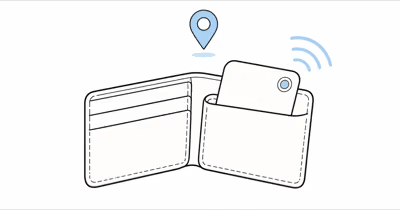
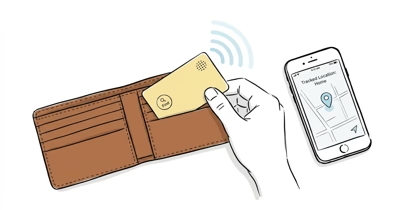
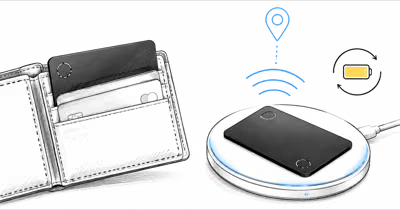
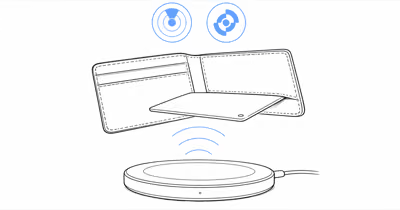
The Nomad Tracking Card Air solves the biggest problem with wallet trackers: thickness. At 1.7mm, it’s sized to sit between credit cards without turning a slim wallet into a brick. The Carbide version keeps the same card footprint as the White version, so color doesn’t change fit.
- 1.7mm thick, 12g — thinner than two stacked credit cards and lighter than a house key
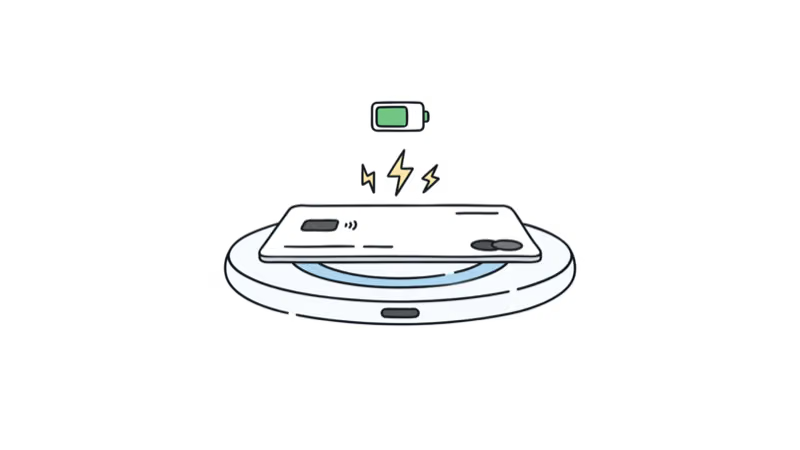
- Qi wireless charging — drop it on any Qi or MagSafe pad for a top-up, no cables or coin batteries
- Dual-platform support — works with Apple Find My (iOS) and Google Find Hub (Android), $29 for either version
- 5-7 month battery — 5 months on Find My, 7 months on Find Hub, rechargeable when it runs low
- No Precision Finding — Bluetooth-only with ~150 ft range, no UWB chip for directional arrows
Nomad Tracking Card Air: Complete Buying Summary
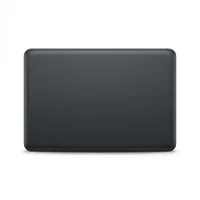
At 86 x 54 x 1.7mm, the Tracking Card Air matches standard credit card dimensions with a thickness roughly equal to two cards stacked together. Its polycarbonate body weighs 12g and carries an IPX7 water resistance rating, surviving submersion in 1 meter of water for 30 minutes. Nomad’s Tracking Card product page confirms that the body is drop-resistant up to 15 ft.
One important design choice: the Tracking Card Air contains no magnets. It won’t demagnetize the credit cards sitting next to it in your wallet, so it can sit directly against a magnetic stripe card without affecting it at point-of-sale terminals.
§ Review summary
Nomad Tracking Card Air
≡ Specs
- Dimensions
- 86 × 54 × 1.7mm
- Weight
- 12g
- Network
- Apple Find My or Google Find Hub; separate versions
- Battery
- About five months on iOS; seven months on Android
- Charging
- Qi or MagSafe wireless charging
- Bluetooth range
- About 150 ft open-air rating
- Water resistance
- IPX7
- Precision Finding
- No
✓ Pros
- +1.7mm profile is among the thinnest rechargeable wallet trackers
- +Qi and MagSafe-compatible charging need no cable or battery door
- +Separate Apple Find My and Google Find Hub editions cover both platforms
- +$29 purchase price carries no recurring subscription
- +IPX7 body is rated for brief water submersion
✗ Cons
- −Network edition must be chosen at purchase and can't switch later
- −Five-to-seven-month battery needs more frequent charging than thicker rivals
- −No UWB Precision Finding or directional arrow
- −About 150 ft is an open-air Bluetooth ceiling, not an indoor guarantee
- −Wireless charging is the only top-up method; there is no USB-C port
§ Buy if
- ·Buy if thinness and a low one-time price matter most
- ·Buy the Find My version for iPhone or Find Hub version for Android
- ·Choose a longer-life card if twice-yearly charging feels burdensome
- ·Skip if you expect one physical card to move between phone ecosystems
Qi Charging and What’s in the Box
Charging happens via any Qi wireless pad or MagSafe charger. No micro-USB port, no coin cell battery to pry out.
Nomad sells two color variants: Carbide (dark gray, ASIN B0D5LC5C1K) and White (ASIN B0FR9NTP4S). Both cost $29 with no subscription required. The box includes the card itself and a quick-start guide.
What Changes When the Nomad Card Sits in a Wallet?
Bluetooth Low Energy handles all communication between the card and your phone. Nomad rates the range at approximately 150 ft in open air, while walls, bodies, and wallet materials reduce any BLE tracker indoors. That’s typical for wallet trackers and lines up with the trade-offs covered in our Ekster Tracker Card review.
Open-air range numbers are best treated as a ceiling, not a room-by-room promise; our tracker specs versus reality guide explains why those figures compress indoors.
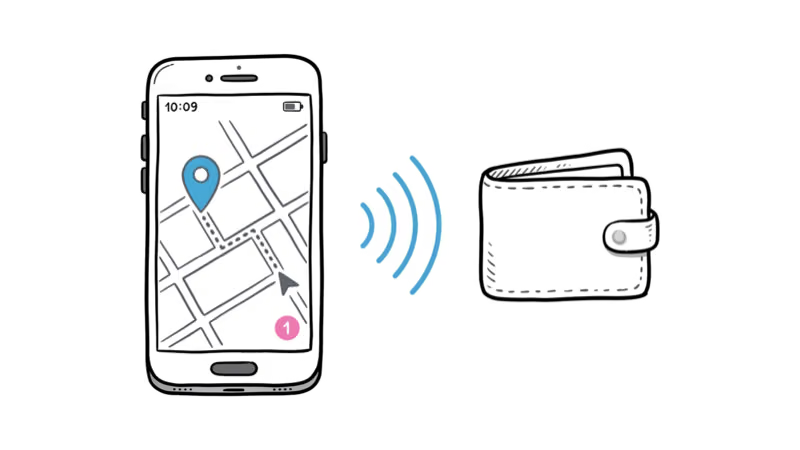
Ring volume? Adequate but not loud. The built-in speaker is meant for nearby wallet searches, not for cutting through a noisy office.
Dual-platform support is the real differentiator here. The Find My version (iOS) taps into Apple’s billion-device network for crowd-sourced location updates. The Find Hub version (Android), launched in March 2026, connects to Google’s Find Hub compatible trackers network; Google announced that the Android network can help locate compatible Bluetooth tracker tags through nearby devices. You pick your platform at purchase, and there’s no switching between them after setup.
Privacy is solid on both platforms. Apple’s Find My security overview confirms that all location data is end-to-end encrypted.
Here’s the biggest trade-off: no UWB chip. You won’t get Precision Finding with directional arrows on your phone screen. Instead, you get a Bluetooth proximity ring, a last-known-location pin on the map, and crowd-sourced updates. For a wallet that rarely leaves your side, this matters less than it does for a luggage tracker crossing airports.
Is the 5-Month Battery Life Enough for a Wallet Tracker?
Battery life depends on which version you own. The Find My (iOS) card lasts about 5 months per charge. The Find Hub (Android) version stretches to roughly 7 months because Google’s network currently pings less frequently than Apple’s.
Want fewer recharges? Nomad’s thicker sibling in our long-battery wallet card review runs roughly 16 months between top-ups.
How does that compare? The Chipolo CARD Spot lasts 2 years on a sealed battery, so 5 months sounds short at first. But the Chipolo costs $35 every two years because its battery isn’t replaceable. Over 4 years, that’s $70 for two Chipolos versus $29 for one Nomad card that recharges on a pad you already own.
A Qi recharge resets the card without a proprietary cable. That rechargeable design gives the Nomad a longer ownership path than sealed coin-cell cards that have to be replaced when their battery is exhausted.
A calendar reminder keeps it topped up before the card reaches low battery, and Find My warns before a paired accessory runs out.
Nomad Tracking Card Air vs the Competition
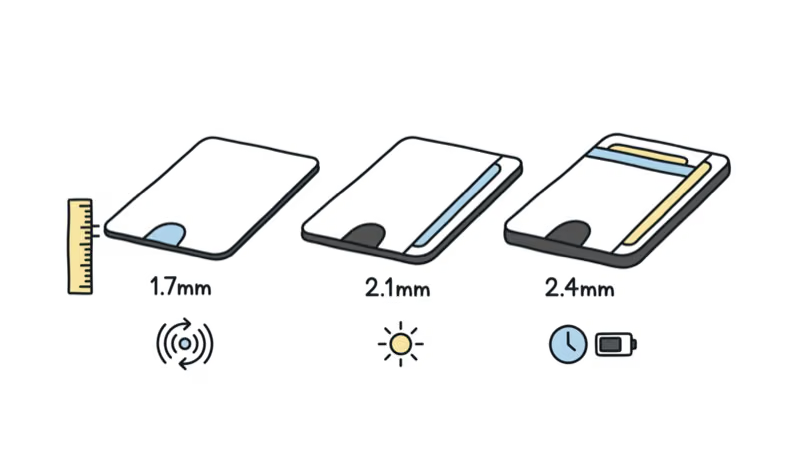
Four card-format trackers dominate the wallet tracker market right now. Here’s how they stack up on the specs that actually matter for daily carry, including thickness, battery life, charging method, and tracking network support.
| Feature | Nomad Tracking Card Air | Ekster Tracker Card | Chipolo CARD Spot | Pebblebee Card 5 |
|---|---|---|---|---|
| Price | $29 | $40 | $35 | $35 |
| Thickness | 1.7mm | 2.1mm | 2.4mm | 1.8mm |
| Weight | 12g | 18g | 15g | 14g |
| Battery | 5-7 months (rechargeable) | Rechargeable (solar) | 2 years (sealed) | 18 months (rechargeable) |
| Charging | Qi wireless | Solar + USB-C | Not rechargeable | Wireless charging |
| Network | Find My or Find Hub | Chipolo crowd GPS | Find My only | Find My + Find Hub |
| Water Resistance | IPX7 | IPX7 | IPX5 | IPX5 |
| UWB | No | No | No | No |
Nomad wins on thickness and price. At 1.7mm, it’s 0.4mm thinner than the Pebblebee Card 5 and 0.7mm thinner than the Chipolo.
Ekster takes a different approach with solar charging, so you never need to remember a charging cycle.
But at $40 and 2.1mm, you pay more for a thicker card. For how Ekster’s tracker compares to AirTag specifically, see our AirTag vs Ekster comparison. Nomad’s slimmer profile matters most when your wallet already holds a stack of cards.
On paper, the Pebblebee Card 5 is the closest competitor. It matches the Nomad on dual-network support and wireless charging, and its 18-month battery life is a clear advantage. You’ll pay $6 more for 0.1mm extra thickness.
Our full best wallet tracker cards roundup covers all four in depth.
Who Should Buy the Nomad Tracking Card Air
Three buyer profiles fit this card well.
iPhone users who own a Qi charger. If you already have a MagSafe puck or Qi pad on your nightstand, the charging friction drops to near zero. Find My’s billion-device network gives you the broadest crowd-sourced coverage available for wallet recovery.
Android users looking for a premium wallet tracker. The Find Hub version launched in March 2026, giving Android users their first access to a Nomad-quality card tracker. Find Hub’s roster of compatible third-party trackers expanded quickly through early 2026, and the Nomad card is among the thinnest options in that lineup.
Anyone who has lost a wallet before. At $29 with no subscription, it’s a low-commitment safety net.
Skip this card if you need UWB Precision Finding. An AirTag 2 or Chipolo Pop handles precision-critical tracking better, but neither fits in a card slot.
Also skip it if charging a device monthly feels like a chore. Our best rechargeable Bluetooth trackers list includes options with longer battery cycles.
Bottom Line
The Nomad Tracking Card Air earns its spot as the best ultra-thin wallet tracker available today. At 1.7mm and $29, it undercuts the Ekster on both thickness and price while adding Qi charging convenience. Dual-platform support for Find My and Find Hub means it works whether you carry an iPhone or a Pixel. The 5-month battery on iOS is the main weakness, but Qi top-ups are simpler than replacing a sealed card.
If you carry a bifold or cardholder and want location tracking without adding bulk, get this card. If you switch between iPhone and Android households and would rather have a single card that can be reset and moved between Find My and Find Hub (trading 0.5mm of thickness for that flexibility), our Rolling Square AirCard Pro Dual review covers the alternative.
FAQ
Is the Nomad Tracking Card Air worth $29?
Yes, for most wallet owners. At $29 with no subscription, it costs less than every major competitor except the AirTag, which doesn’t fit in a card slot. The Qi rechargeable battery eliminates ongoing replacement costs. Over 4 years, you spend $29 total versus $70 for two Chipolo CARD Spots.
Does the Nomad Tracking Card Air work with Android?
Yes. Nomad launched a Google Find Hub version in March 2026 that works with Android phones. You choose your platform at purchase. The Android version costs the same $29 and gets 7 months of battery life per charge.
How long does the Nomad Tracking Card Air battery last?
The Find My (iOS) version lasts about 5 months per charge. The Find Hub (Android) version lasts about 7 months. Battery life varies with ping frequency and environmental conditions. Recharging uses a Qi pad or MagSafe charger.
How do you charge the Nomad Tracking Card Air?
Place it on any Qi-compatible wireless charging pad or MagSafe charger. No cables, ports, or coin batteries are involved.
Is the Nomad Tracking Card Air waterproof?
It carries an IPX7 rating, which means it survives submersion in 1 meter of water for up to 30 minutes. This covers rain exposure, accidental spills, and brief drops into water. It isn’t rated for continuous underwater use or saltwater exposure.
Does the Nomad Tracking Card Air have Precision Finding?
No. The Tracking Card Air uses Bluetooth only with a range of approximately 150 ft. It doesn’t include a UWB chip, so you won’t get directional arrows on your phone screen. You can ring the card and view its last known location on a map, but pinpoint navigation is not available.
What is the difference between the Nomad Tracking Card Air and Pro?
The Tracking Card Air is 1.7mm thick with a 5-7 month battery and costs $29. The Tracking Card Pro is 2.5mm thick with a 16-month battery and costs $39. Both use Qi charging and the same tracking networks. The Air prioritizes thinness while the Pro prioritizes battery longevity. Choose the Air if your wallet is tight on space, and the Pro if you prefer less frequent charging.