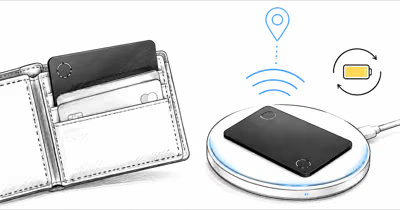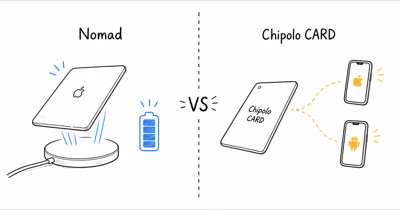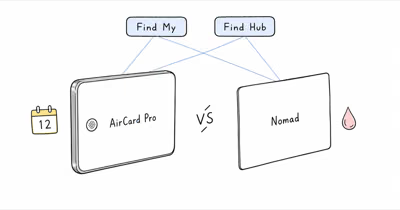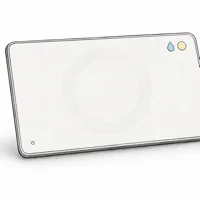
The KeySmart SmartCard Gen 3 and Nomad Tracking Card Air are two Qi-rechargeable wallet trackers that work with both Apple Find My and Google Find Hub. Tom’s Guide’s hands-on with the KeySmart SmartCard highlights that you reset the card to switch from Apple to Android, confirming these are choose-one-at-setup cards rather than simultaneous dual-network devices.
- Battery is the widest gap — KeySmart rates the Gen 3 at up to 11 months per Qi charge versus 5 months (iOS) or 7 months (Android) for the Nomad Card Air.
- The Nomad Card Air is thinner and cheaper — 1.7mm and $29 against the KeySmart’s 1.8mm body and $44.99 price.
- Waterproofing favors KeySmart — IPX8 (submersible) beats the Nomad’s IPX7 rating by one tier.
- Neither runs both networks at once — you choose Apple Find My or Google Find Hub at setup, and switching needs a factory reset that clears location history.
- The Atlas Gen 3 chip is the KeySmart’s headline part — KeySmart rates it at 2x faster processing and 30 percent more reliable connections than standard trackers.
KeySmart SmartCard Gen 3 vs Nomad Card Air: At a Glance
Both cards solve the same problem — a trackable card thin enough to forget in a wallet — but they pull in opposite directions. The KeySmart leans into endurance and durability, while the Nomad leans into thinness and price. Here is the full head-to-head.
⇄ Head-to-head
KeySmart SmartCard Gen 3 vs Nomad Tracking Card Air
- +Up to 11-month battery per Qi charge, more than double the Nomad on iOS
- +IPX8 waterproof, submersible rather than splash-only
- +Atlas Gen 3 chip rated 2x faster and 30 percent more reliable by KeySmart
- +Qi wireless rechargeable, no proprietary cable or coin cell
- +Works with both Apple Find My and Google Find Hub (choose one at setup)
- +1.7mm body, the thinnest card in this matchup
- +$29, the cheapest dual-network card here by about $16
- +Just 12g, lighter than a standard credit card
- +Qi wireless rechargeable, no disposable coin cell
- +Works with both Apple Find My and Google Find Hub (choose one at setup)
- −Costs $44.99, the pricier of the two by about $16
- −1.8mm body, a hair thicker than the Nomad's 1.7mm
- −Choose one network at setup, switching needs a factory reset
- −Qi charger not included in the box
- −Battery lasts only ~5 months on iOS, ~7 months on Android
- −IPX7 waterproof, one tier below the KeySmart's IPX8
- −No Atlas-class chip or stated reliability boost
- −Choose one network at setup, like the KeySmart
- ·You want set-and-forget battery life of up to 11 months per charge
- ·The card may face rain, sweat, or a dropped wallet and needs IPX8
- ·You'd rather charge once a year than every few months
- ·A faster, more reliable connecting chip matters more than $16
- ·You want the slimmest possible card for a tight wallet slot
- ·Price is the deciding factor and $29 wins outright
- ·You don't mind recharging every five to seven months
- ·Weight matters and 12g is as light as these cards get
For how these cards sit alongside AirTag and other slim trackers, our wallet card buying guide places both in the wider market before you commit to either platform.
How Long Does Each Card’s Battery Last?
This is the headline difference. KeySmart’s official SmartCard product page states that the Gen 3 lasts up to 11 months per Qi charge, while Android Authority reported that the Nomad Card Air lasts 7 months on Android Find Hub and about 5 months on iOS Find My. That is more than double the iOS runtime on paper.
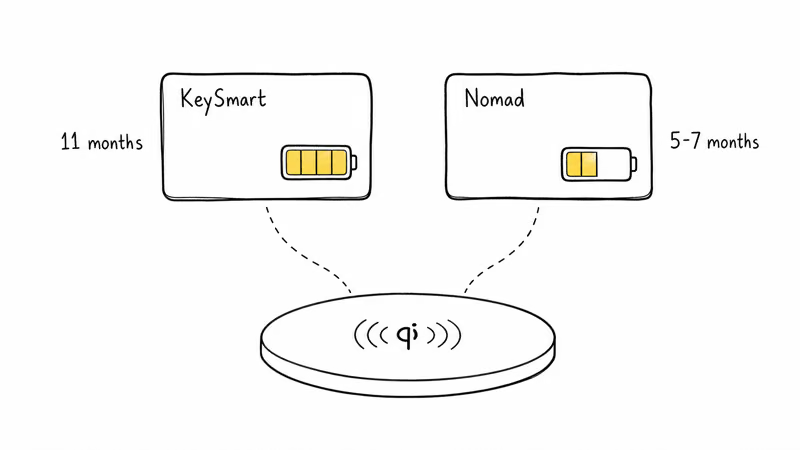
A 5-month cycle on iOS means a recharge reminder two or three times a year. If the Nomad dies the week your wallet goes missing, the tracker is useless exactly when you need it most. The KeySmart’s 11-month life turns recharging into a once-a-year afterthought, the right model for a passive card you set and forget.
Both ditch the disposable CR2032 coin cell for a built-in Qi battery, so neither generates the e-waste older cards did. Neither ships with a charger, though — you drop the card on any Qi pad you already own. With a rechargeable card, the longer-lasting one is the one you stop thinking about, which makes the KeySmart the clear set-and-forget pick here.
Form Factor, Build, and Waterproofing Compared
Both cards are engineered to disappear inside a wallet, and the margin is tiny. Nomad’s official Tracking Card page states that the Card Air is 1.7mm thick and weighs 12 grams, edging out the KeySmart’s 1.8mm body. That 0.1mm gap makes no practical difference in a packed cardholder — either one fits where a credit card fits.
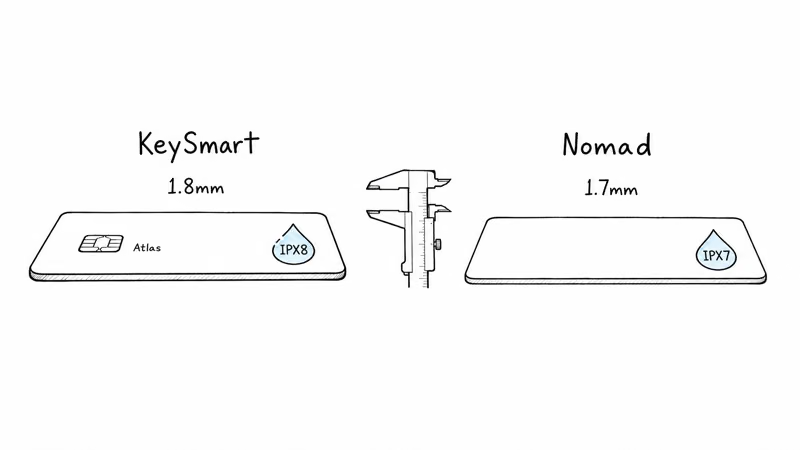
Durability is where the gap widens. The KeySmart Gen 3 carries an IPX8 rating, meaning it survives continuous submersion, while the Nomad Card Air is rated IPX7, which covers temporary immersion. Both shrug off rain and sweat, but the KeySmart is the safer long-term bet for a card that travels through pockets, gym bags, and the occasional puddle.
The KeySmart also adds the Atlas Gen 3 chip. KeySmart states that this chip processes 2x faster and connects 30 percent more reliably than a standard tracker. The Nomad uses a conventional Bluetooth radio with no stated reliability claim, so on the spec sheet the KeySmart is the more advanced piece of hardware for a $16 premium.
Do These Cards Run Both Networks at the Same Time?
This is the most misunderstood spec on both products. Despite the “works with both” marketing, neither card broadcasts to Apple Find My and Google Find Hub simultaneously. You choose one network at setup. Switching to the other requires a factory reset and re-pairing in the other app, and your location history resets in the process.
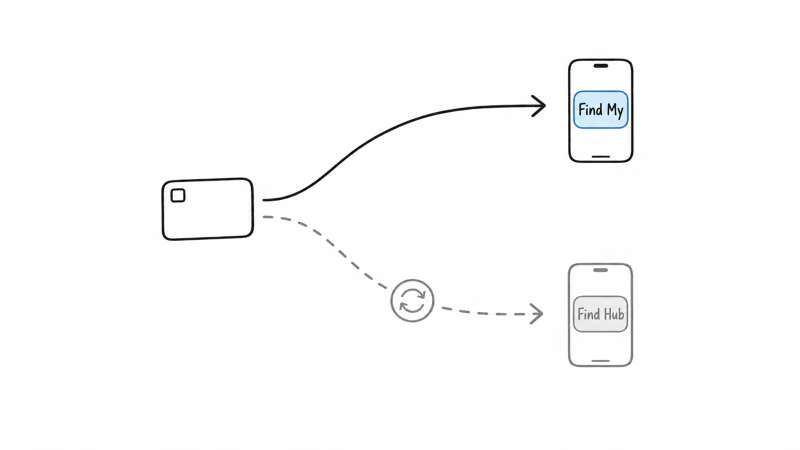
The technical reason is shared: a single Bluetooth chip can only emit one beacon format at a time, and a true dual-radio design would have made either card thicker. So treat “works with both” here as compatible with either, your choice — not active on both at once.
Pick the network that matches the dominant phone ecosystem around you: Find My in iPhone-heavy regions, Find Hub where Android phones outnumber iPhones. Our Find Hub tracker hub collects every model certified for Google’s network if Android coverage is your priority, and the Find My tracker hub does the same for Apple’s side.
Switching Networks After Setup
Both cards make the same switch process, but the lived experience differs. Tom’s Guide describes resetting the KeySmart SmartCard to move from Apple to Android, calling the cross-platform flexibility a standout reason to pick a tracking card over a locked-in tag.
The Nomad behaves the same way, which is why Nomad sells the Card Air as separate Find My and Find Hub editions rather than one card that does both at once. The reset itself is quick, but the location-history wipe is the real cost — not the button hold. So choose your network deliberately at first pairing rather than planning to flip back and forth.
Price and Overall Value
On price, the Nomad wins outright. The Nomad Card Air lists at $29 and the KeySmart Gen 3 at $44.99 — about a $16 gap that buys you the longer battery, the higher IPX8 rating, and the Atlas chip. Neither requires a subscription, since Apple’s Find My network support page confirms that network access is free for certified third-party trackers, and Google Find Hub is free too.
Value, then, depends on how you weigh price against longevity. The Nomad returns the thinnest body and the lowest sticker price; the KeySmart returns more than double the iOS battery life, submersible waterproofing, and a faster chip. KeySmart also lists a 2-pack for households tracking two wallets, which the Nomad Card Air does not offer as a bundle.
If you want each card’s full story before buying, our KeySmart SmartCard review and Nomad Tracking Card Air review dig into setup, ringing, and real-world reliability on each network.
Bottom Line
Get the KeySmart SmartCard Gen 3 if you want a wallet tracker you charge once a year and forget, with IPX8 durability and the Atlas Gen 3 chip for $44.99. Get the Nomad Tracking Card Air if a 1.7mm thinnest-in-class body and a $29 price outweigh battery life and one tier of waterproofing. Both are strong choose-one dual-network cards, but the KeySmart wins on the endurance metrics that matter most for a passive wallet tracker.
FAQ
Can the KeySmart Gen 3 and Nomad Card Air use Find My and Find Hub at the same time?
No. Both cards make you choose either Apple Find My or Google Find Hub at setup. Switching networks requires a factory reset and re-pairing in the other app, which clears your location history. Treat “works with both” as compatible with either platform, not active on both at once.
Which card has the longer battery life?
The KeySmart SmartCard Gen 3 wins by a wide margin. KeySmart rates it for up to 11 months per Qi charge, while the Nomad Tracking Card Air lasts about 5 months on iOS Find My and 7 months on Android Find Hub. Both recharge wirelessly on any Qi pad and neither uses a replaceable coin cell.
How thin are these two wallet cards?
The Nomad Card Air measures 1.7mm and the KeySmart Gen 3 measures 1.8mm. Both fit into a standard wallet card slot without noticeable bulk, so the 0.1mm difference has little practical impact on everyday carry. The Nomad also weighs just 12 grams.
Which card is more water resistant?
The KeySmart Gen 3 carries an IPX8 rating, meaning it survives continuous submersion. The Nomad Card Air is rated IPX7, which covers temporary immersion. Both handle rain and sweat, but the KeySmart is the more rugged choice for a card that travels.
What is the Atlas Gen 3 chip in the KeySmart card?
The Atlas Gen 3 chip is the processor inside the KeySmart SmartCard Gen 3. KeySmart rates it at roughly 2x faster processing and 30 percent more reliable connections than a standard tracker. The Nomad Card Air uses a conventional Bluetooth radio with no equivalent stated reliability claim.
Do either of these trackers need a subscription?
No. Neither the KeySmart SmartCard Gen 3 nor the Nomad Tracking Card Air requires a subscription or monthly fee. Apple Find My and Google Find Hub are both free services for certified third-party trackers, so you pay once for the hardware.
Which card is cheaper, and is the price gap worth it?
The Nomad Card Air is cheaper at $29 versus the KeySmart’s $44.99, a gap of about $16. That premium buys you more than double the iOS battery life, a higher IPX8 waterproof rating, and the Atlas Gen 3 chip. If endurance and durability matter, the KeySmart justifies the extra cost; if price is the priority, the Nomad wins.