The best tracker for a beehive is a cellular GPS unit with motion alerts, not a Bluetooth tag like an AirTag. Apiaries sit in remote fields with no passing iPhones, so an AirTag has nothing to relay through. A LandAirSea 54 hidden inside a hive body is the top pick: it’s IP67 waterproof, magnetic, and can send a live location trail when a thief drives off. Track the pallets or hive groups at highest risk instead of trying to put a device in every box.
Hive theft has become organized crime, and a tracker is now standard kit for commercial beekeepers.
According to the Almond Board of California, reported hive thefts rose 86 percent between 2013 and 2024, with nearly 10,000 colonies stolen. A single hive is worth $350 to $1,000 once you count the bees, the box, and the lost pollination income.
- Hive theft is up 86 percent (2013 to 2024) — nearly 10,000 colonies stolen, over $3.5M in direct losses
- Each hive is worth $350 to $1,000 once bees, equipment, and lost almond-pollination rental are counted
- Use cellular GPS, not an AirTag — remote apiaries have no nearby iPhones for Bluetooth to relay through
- Track the highest-risk pallets first — thieves take whole pallets, so you don’t need one in every box
- Motion alerts plus geofencing are the core features — the tracker wakes and reports the instant a hive moves
Why Beehives Are a Theft Target
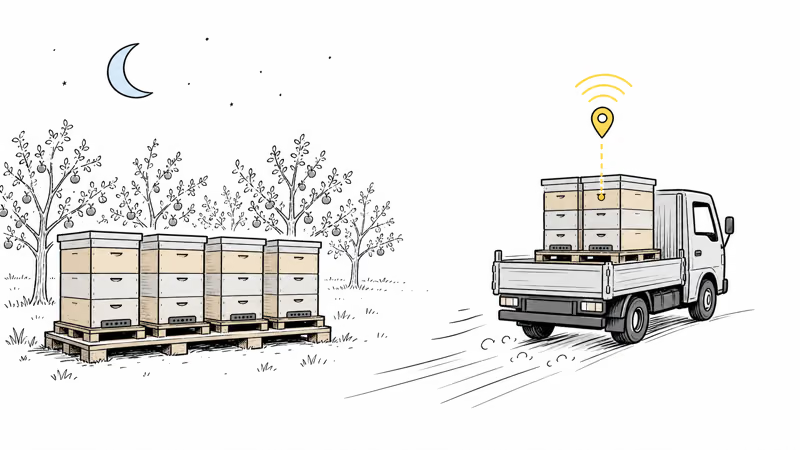
Most hive theft happens in California’s Central Valley in January and February, when roughly 2.4 million colonies are trucked in to pollinate the almond bloom. Hives sit overnight in unfenced orchards, and a loaded pallet is worth thousands of dollars.
That same industry data found that 2024 set a record: 3,492 colonies reported stolen in a single year, worth roughly $1.2 million.
The thieves are usually insiders. They know how to handle bees, they strike at night or in the rain when the colony is dormant, and they resell the hives back into the beekeeping community. Only about one theft in ten ends in an arrest, which is exactly why recovery hardware matters more than prevention alone.
The California State Beekeepers Association now formally recommends branding hives and fitting tracking devices.
It works, too. CBC reported that a beekeeper who had hidden GPS trackers inside his hives recovered them after a theft, and a separate California case saw 172 stolen hives recovered and a suspect arrested.
Will an AirTag Protect Your Beehives?
Not on its own. An AirTag has no cellular radio. It reports through Apple’s Find My network only when someone else’s iPhone walks past, which is fine in a city but useless in a remote orchard at 2 a.m.
The moment a thief drives your hives down a rural road, the AirTag goes dark until it passes another Apple device, and even then you get a stale dropped pin rather than a live trail. A determined thief can also pop the battery, and the same anti-stalking alerts that protect people can tip them off that a tag is present, as we cover in can AirTags be stolen.
A cellular GPS tracker is the opposite. It carries its own SIM, so it streams live coordinates over the 4G network from anywhere with signal, no bystanders required.
An AirTag is still a fine $29 backup if you already own one, but it should never be your primary recovery tool for a hive.
What Makes a Good Beehive GPS Tracker
A hive sits outdoors year-round and barely moves, so the priorities differ from a car tracker.
- Cellular (4G LTE), not Bluetooth, so it works in remote fields
- Motion-activated alerts so it sleeps to save battery, then wakes and pings you the instant the hive moves
- Geofencing so you get an alert if a hive ever leaves its orchard
- IP67 waterproofing for year-round outdoor exposure
- Long or low-power battery since you can’t recharge a unit sealed inside a frame every week
- Small and concealable so it hides inside a hive body without a thief spotting it
Among cellular trackers, the two that balance these best for a stationary asset are the LandAirSea 54 and the Tracki Pro.
The Best GPS Trackers for Beehives
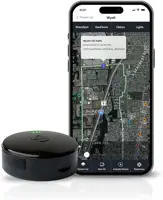 Top Pick
The LandAirSea 54 is the easiest hive tracker to live with. Its IP67 waterproof body and live 4G trail can follow a moving vehicle when cellular coverage is available, which gives police a better recovery lead than a stale last-seen pin. The trade-off is battery management, so it suits beekeepers who check or swap units around pollination season.
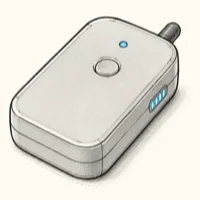 Best Battery
The Tracki Pro is the pick when you want to seal a unit inside a hive and forget it. Its 10,000mAh battery is rated up to a year in power-save mode, so it can ride out a full season without a recharge while still waking on motion.
| Tracker | Device | Subscription | Battery | Water |
|---|---|---|---|---|
| LandAirSea 54 | $30 | from $15/mo | ~2 weeks | IP67 |
| Tracki Pro | $36 | from ~$20/mo | up to 1 yr (power-save) | IP67 |
| Spytec GL300 | $40 | from $25/mo | ~2.5 weeks | IPX5 |
| Invoxia | $130 | 3 yrs included | ~4 months | IP33 (case it) |
| Optimus 3.0 | $27 | from $19.95/mo | ~1 month | Waterproof case |
If recurring fees are the sticking point, the no-monthly-fee tracker options like the Invoxia bundle three years of service into the purchase price, which fits a device that mostly sits idle.
Where Should You Hide a Tracker in a Hive?
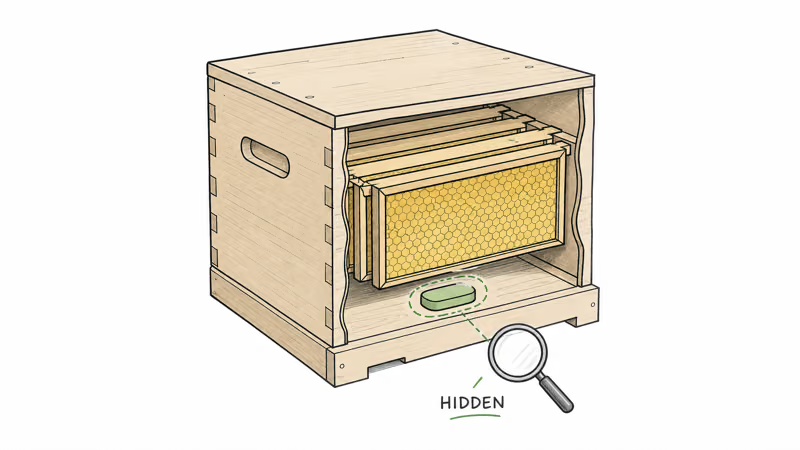
The point is to keep the tracker reporting after a thief realizes it exists. Hide it where they won’t look during a fast night-time grab.
Good spots are inside the bottom board, wax-glued into a hollowed-out frame, or tucked under the inner cover. Beekeepers report that a unit built into a frame is nearly impossible to spot without pulling the box apart, which a thief moving a pallet won’t stop to do.
Keep the housing food-contact-safe so it can’t taint honey or wax, and avoid placing it where bees will heavily propolize it shut.
How Many Trackers You Actually Need
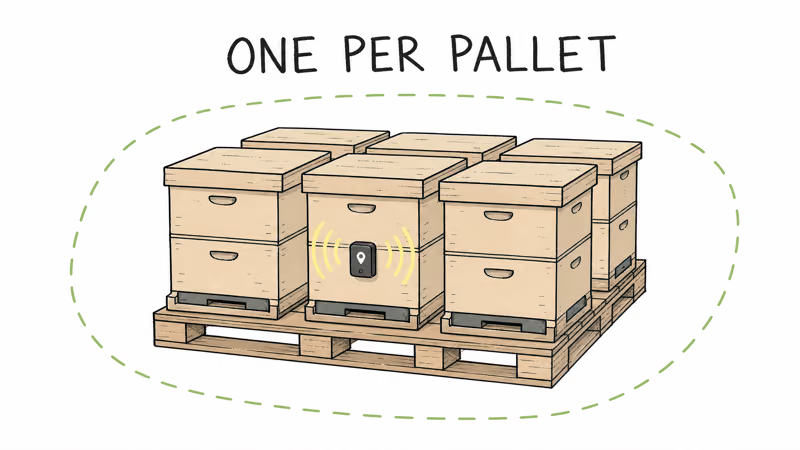
Far fewer than one per box. Thieves take whole pallets, so a tracker hidden in a representative hive can travel with the stolen load, and it keeps the subscription cost manageable across a large operation.
That math matters because a cellular plan runs $10 to $25 per month per device whether or not a hive ever moves. Spreading one unit across a pallet, choosing a no-fee or annual plan, and concentrating trackers on the loads parked in high-risk orchards keeps the total cost sane.
A branded hive plus a hidden GPS unit is the combination that both deters theft and recovers the hives when deterrence fails.
Bottom Line
Beehive theft is organized, seasonal, and expensive, and a cellular GPS tracker is the one tool that reliably gets stolen hives back. An AirTag can’t do this job in a remote apiary because it has no signal of its own.
For most beekeepers the LandAirSea 54 is the best starting point, with the Tracki Pro the better choice when you need a unit that survives a whole season sealed inside a hive. Hide trackers in the pallets most likely to be moved or stolen, brand the rest, and you give law enforcement a live recovery lead instead of only a police report.
FAQ
Can you use an AirTag to track a beehive?
Only as a weak backup. An AirTag has no cellular connection and relies on nearby iPhones to relay its location, which remote apiaries don't have. It shows a stale last-seen pin rather than a live trail, and a thief can remove the battery. A cellular GPS tracker is the right primary tool for hives.
What is the best GPS tracker for beehives?
The LandAirSea 54 is the best all-around pick: IP67 waterproof, magnetic, small enough to hide in a frame, and it streams a live 4G trail when a hive moves. The Tracki Pro is the better choice if you need a long battery, since it's rated up to a year in power-save mode.
How many GPS trackers do I need for my hives?
You usually don't need one tracker in every hive. Thieves take whole pallets at once, so a single hidden unit in a representative box can travel with the stolen load and create a recovery lead. This also keeps your subscription costs reasonable across a large apiary.
Where should I hide a tracker in a beehive?
Inside the bottom board, wax-glued into a hollowed-out frame, or under the inner cover. The goal is a spot a thief won't check during a fast night-time theft. Keep the housing food-safe so it does not contaminate honey or wax, and avoid spots bees will seal with propolis.
Do beehive GPS trackers need a subscription?
Most cellular trackers charge $10 to $25 per month for the data plan. Some, like the Invoxia, bundle several years of service into the purchase price, which suits a device that sits idle most of the year. Annual or no-contract plans cut the effective cost for seasonal use.
How common is beehive theft?
It rose about 86 percent between 2013 and 2024, with nearly 10,000 colonies stolen and over $3.5 million in direct losses. Thefts cluster in California's almond-growing region during the winter pollination season, when hives are parked in remote orchards overnight.
Will a GPS tracker survive inside a beehive?
A rugged IP67-rated tracker like the LandAirSea 54 or Tracki Pro handles the humidity and temperature swings of a hive. Lower-rated units such as the Invoxia should go in a waterproof case first. Avoid placing any tracker where bees will heavily coat it in propolis.