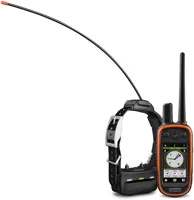
The Garmin Alpha 300 wins for its 55-hour battery and faster processor. The Alpha 200i wins if you need built-in inReach satellite SOS without buying the pricier 300i.
Both handhelds track and train hunting dogs across the same nine-mile range with no subscription for GPS, so the real split is hardware versus satellite. Garmin announced that the new 300 line delivers “nearly three times the battery life as its predecessor,” the jump from 20 to 55 hours that defines this choice.
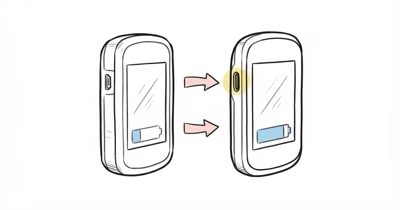
- The Alpha 300 runs up to 55 hours per charge versus roughly 20 hours for the 200i, nearly a 3x difference.
- The Alpha 200i has built-in inReach satellite SOS; the base 300 does not, so satellite messaging means stepping up to the $849 300i.
- The 300 uses a newer, faster processor for quicker map redraws and panning, especially in cold weather.
- Both ship a 3.5-inch touchscreen and track up to 20 dogs across a 9-mile range with no GPS subscription.
- Street prices land near $700 for the Alpha 300 and $750 for the 200i, putting the inReach unit slightly higher.
Garmin Alpha 300 vs 200i at a Glance
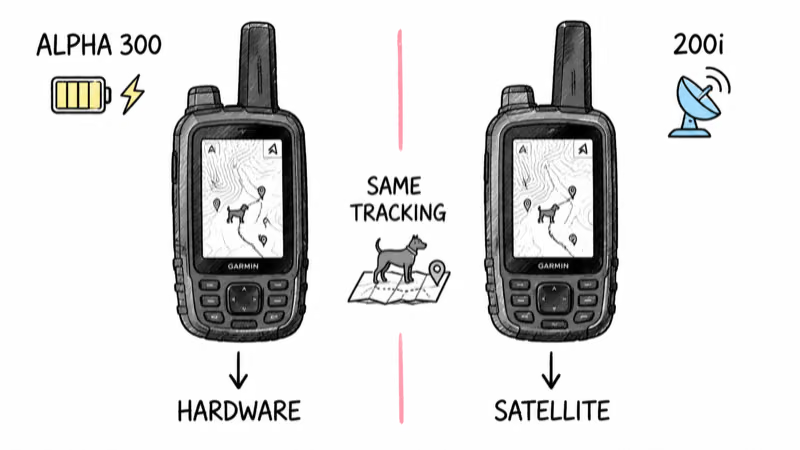
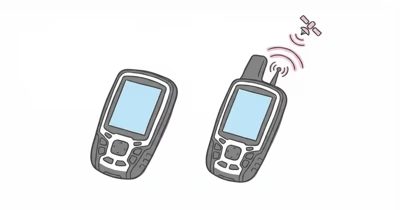
Here is every difference side by side. The core split is battery and processor versus built-in satellite, not tracking capability. On this generation, inReach is reserved for the 300i variant, so the base Alpha 300 ships with no satellite communicator at all.
The Alpha 200i takes the opposite trade. It’s a generation older, with a 20-hour battery and a slower processor, but its satellite SOS is built in at the base price. The 300 instead forces you up to the pricier 300i for the same off-grid lifeline. For upland hunters, that single distinction tends to decide the purchase more often than any spec sheet line.
⇄ Head-to-head
Garmin Alpha 300 vs 200i
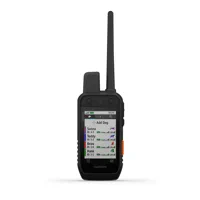
- +Up to 55-hour battery, nearly 3x the 200i's runtime
- +Newer, faster processor for quick map redraws
- +Bright, vivid 3.5-inch sunlight-readable touchscreen
- +Tracks 20 dogs across a 9-mile range, no GPS fee
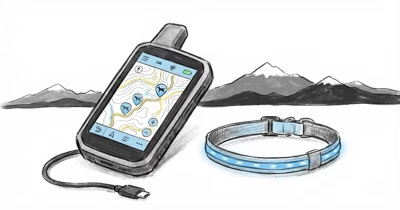
- +USB-C charging on the current-generation handheld
- +Built-in inReach two-way satellite messaging and SOS
- +3.5-inch touchscreen with preloaded TopoActive maps
- +Tracks 20 dogs across a 9-mile range, no GPS fee
- +Lower step to satellite SOS than the $849 Alpha 300i
- +Proven six-button plus touchscreen interface
- −No built-in inReach on the base 300 (300i only)
- −Around $700, a premium over older Alpha units
- −Some map and satellite imagery layers need a plan
- −Overkill if you never hunt past a single long day
- −Battery is roughly 20 hours, 15 with inReach enabled
- −Slower processor with noticeable cold-weather lag
- −Older microUSB charging, not USB-C
- −inReach features still require a satellite subscription
You want the longest battery, the fastest processor, and the best screen for multi-day hunts, and you can skip satellite SOS or pay up to the 300i for it.
You want built-in satellite SOS and two-way messaging at the lowest price, and you accept a shorter battery and an older processor to get it.
What Both Alpha Handhelds Share
Start with the common ground. Both handhelds deliver nine-mile tracking, integrated e-collar training, and no recurring fee for core dog tracking, plus a 3.5-inch touchscreen with preloaded TopoActive maps and 20-dog capacity, so neither one out-tracks the other on the basics that matter at the truck.
So the differences cluster around just three things: battery endurance, processor speed, and whether satellite messaging comes built in. If you are weighing the wider field of dedicated handhelds, our best GPS collars for hunting dogs guide covers the standalone-radio systems worth your money.
Do You Need Built-In inReach Satellite SOS?
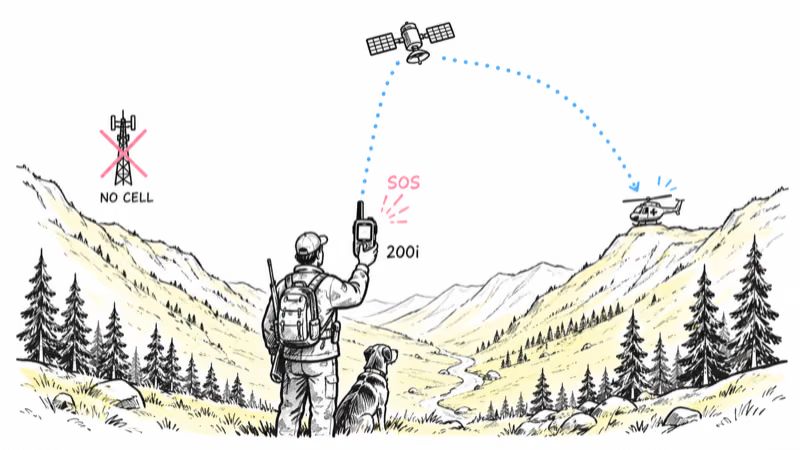
This is the question that flips the whole decision.
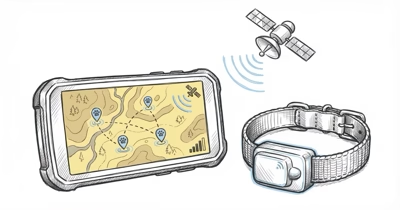
The Alpha 200i carries built-in inReach, Garmin’s two-way satellite messaging and interactive SOS that reaches rescue anywhere on the planet, with no cell signal required.
It rides the Iridium network. According to Wikipedia’s Iridium constellation entry, the system runs on “66 active satellites in orbit,” enough for true global coverage that reaches the roadless valleys where dog handlers hunt. The base Alpha 300 has no satellite communicator at all, so reaching rescue off-grid means stepping up to the Alpha 300i.
Outdoor Life’s field review put the value plainly. According to its hands-on Alpha 200i test, “The inReach messaging allows you to send messages without cell service,” and the same handheld can “track a dog up to 9 miles away” with a compatible collar.
The price math is what makes the 200i strong on this one axis. The base Alpha 300 lists at $799.99 and the 300i at $849.99, while the 200i sells near $750 with satellite already built in. So if satellite SOS is non-negotiable for your hunts, the 200i delivers it for less than the 300i, and a generation-newer battery does not justify a $100 premium when you are buying the unit for its emergency lifeline.
Is the 300’s Newer Processor Worth It?
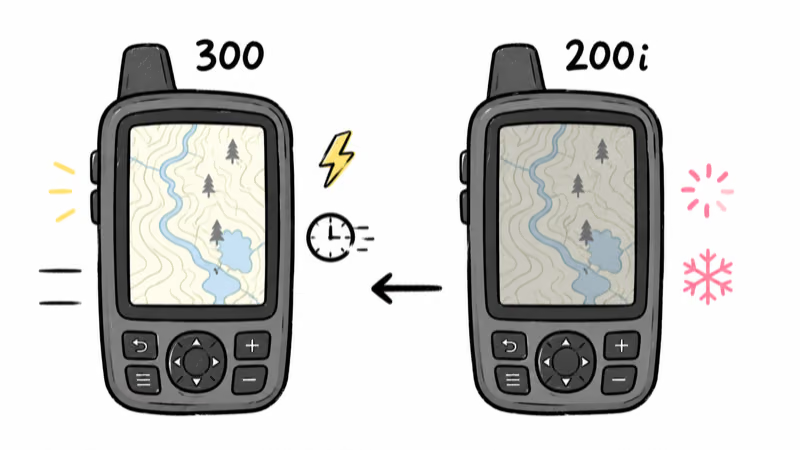
For most hunters, yes. A field comparison from Lion Country Supply’s Alpha 300 review found that the new screen is “a significant improvement over the Alpha 200,” and the same review confirmed the battery now tops out “at around 55 hours of battery,” nearly tripling the older unit’s runtime. The newer processor behind that screen redraws maps, pans, and zooms noticeably quicker than the 200i.
The processor difference shows up most when switching between dog screens and the map while running a full pack. The 300 stays responsive where the 200i tends to lag a beat, and that lag lengthens below freezing.
The 200i isn’t slow, and it still handles standard upland work without complaint.
If you hunt hard, run multiple dogs, and value a screen that keeps pace with your eyes, the 300’s speed and brightness justify the buy on their own, even before the battery advantage. Our full Garmin Alpha 300 review details the processor and display trade-offs.
The Battery Gap Across a Multi-Day Hunt
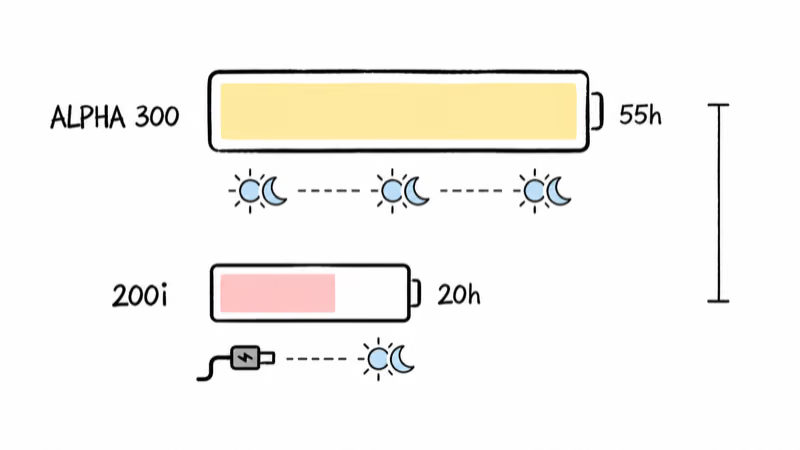
This is the largest practical difference between these two. The Alpha 300 runs up to 55 hours per charge, while the 200i tops out near 20 hours, dropping to roughly 15 hours with inReach enabled. In plain terms, that is charging once before a long weekend versus charging every single night, and on a remote hunt a single nightly charge you forget can leave you blind to a running dog the next morning.
On multi-day backcountry trips, the 300’s endurance removes a real chore. Its 55-hour runtime can cover a three-day elk-and-bird hunt on a single charge with power to spare, where the 200i would need a nightly top-up or a power bank in the pack.
The gap shrinks for the weekend hunter who is back at the truck or cabin each night to recharge. If you top up every evening anyway, 20 hours covers a full day of hard hunting, so the 300’s battery edge becomes a convenience rather than a necessity. Our Dogtra Pathfinder 2 vs Garmin Alpha 300 comparison covers how Garmin’s battery stacks up against a phone-based rival that leans on your smartphone instead.
Who Should Buy Each Garmin Alpha
Buy the Alpha 300 if you want the best current hardware: the 55-hour battery, the faster processor, the brighter screen, and USB-C charging. For multi-day hunts, hard backcountry, or anyone running a full pack who values a responsive display, it’s the stronger handheld and the one most hunters should default to. Skip satellite, or pay up to the 300i if you want it.
Buy the Alpha 200i if built-in inReach satellite SOS is your priority and you want it at the lowest price. It delivers two-way messaging and emergency SOS for less than the 300i, and its 20-hour battery is plenty if you charge nightly.
That older processor and microUSB port are the price of admission for cheaper satellite coverage. Still cross-shopping the wider field? Our GPS tracker hub places both Alpha handhelds against every live-location system we cover, from collar radios to cellular clip-ons, so you can see exactly where the satellite-equipped 200i and the long-running 300 land against the rest of the market before you commit.
Bottom Line
The Garmin Alpha 300 and 200i track the same nine miles with no GPS subscription. The decision comes down to battery and processor against built-in satellite, and on the hardware axis the 300 wins outright with nearly triple the battery, a faster processor, and a brighter screen.
Where the 200i earns its place is one axis, but it’s a decisive one: built-in inReach SOS at a price below the 300i. Most hunters should buy the 300. Anyone who needs satellite messaging on a budget should buy the 200i.
FAQ
Does the Garmin Alpha 300 have built-in inReach?
No. The base Alpha 300 does not include inReach satellite technology. Only the Alpha 300i variant adds built-in inReach two-way messaging and SOS. If you need satellite communication on the new generation, you have to step up to the 300i, which lists at $849.99 versus $799.99 for the base 300.
How much longer does the Alpha 300 battery last than the 200i?
The Alpha 300 runs up to 55 hours per charge, while the Alpha 200i tops out near 20 hours, or roughly 15 hours with inReach enabled. That is nearly three times the runtime. On multi-day hunts the 300 can often go the whole trip on one charge, while the 200i needs a nightly top-up or a power bank.
Is the Alpha 200i still worth buying in 2026?
Yes, for one specific buyer. If you want built-in inReach satellite SOS at the lowest price, the 200i delivers it for less than the newer 300i. You accept a shorter battery, a slower processor, and microUSB charging in exchange. For hunters who don’t need satellite, the Alpha 300 is the better all-around handheld.
Do either Alpha handheld require a subscription to track dogs?
No. Both the Alpha 300 and the 200i track and train dogs with no monthly subscription. The radio link between the handheld and the dog collars carries no fee. A subscription is only required for inReach satellite features on the 200i and 300i, and for certain premium map and satellite imagery layers.
How many dogs can each Garmin Alpha track?
Both the Alpha 300 and the Alpha 200i track up to 20 dogs from a single handheld across a nine-mile range, depending on terrain. They display multiple dogs on the map at once. For most hunters running a small pack, either capacity is far more than enough for a typical day in the field.
Does the Alpha 300 have a better screen than the 200i?
Yes. The Alpha 300 ships a brighter, more vivid 3.5-inch touchscreen that reviewers call a significant improvement over the older display. Both units are 3.5 inches, but the 300’s screen is easier to read in direct sun and low light. The 300 also adds a faster processor, so map panning and zooming feel quicker.
Which Garmin Alpha is better for backcountry hunting?
For most backcountry hunters the Alpha 300 is the better tool, thanks to its 55-hour battery and faster processor on multi-day trips. The exception is anyone who needs built-in satellite SOS without paying for the 300i, in which case the 200i provides inReach emergency messaging at a lower price.