
When an elderly parent removes or refuses every GPS tracker, the form factor is the problem — not the brand. GPS shoe inserts like GPS SmartSole ($359 + $29.95/mo) hide a real-time tracker inside a shoe insole the person never sees. For parents who accept clothing but rip off clip-ons, AngelSense worn inside a shirt via magnetic safety pins is invisible to the wearer. For walker or wheelchair users, a LandAirSea 54 ($30 + $15/mo) magnetically attached to the metal frame requires no body contact at all.
You’ve already tried two or three trackers. Maybe they ended up in a kitchen drawer, maybe they got thrown out. That frustration is real — it doesn’t mean you haven’t tried hard enough. The standard form factors don’t work for every situation, and you need a different approach.
- 6 in 10 people with dementia will wander, and tracker refusal is common in mid-to-late stages when the device feels foreign or threatening
- GPS SmartSole ($359 + $29.95/mo) hides a real-time GPS inside a shoe insole — the wearer never sees or touches the tracker
- AngelSense worn via magnetic safety pins inside a shirt is fully invisible to the wearer while transmitting location every 10 seconds
- LandAirSea 54 ($30 + $15/mo) magnetically attaches to any metal walker or wheelchair frame, eliminating the wearable problem entirely
- AirTag 2 shoe insoles ($15 on Amazon) offer a no-subscription backup layer for families who already own AirTags — not real-time GPS, but better than nothing
Why Do People With Dementia Refuse to Wear GPS Trackers?
The refusal isn’t stubbornness. In mid-to-late dementia, a person’s brain no longer processes unfamiliar objects the way it once did. A clip-on tracker on a shirt collar can feel like something crawling on them. A wristband feels like a restraint. The device triggers distress, and removing it is a direct response to that distress.
The Alzheimer’s Association reports that 6 in 10 people with dementia will wander at least once, and repeated wandering is common in mid-stage disease. This makes GPS tracking a practical safety tool — but only if the person is actually trackable. A tracker in a drawer doesn’t help anyone.
There’s a useful distinction between two types of refusal. Sensory refusal means the device is physically uncomfortable: too heavy, too visible, too tight. Cognitive refusal means the person cannot understand what the object is or why it’s there, and removes it out of confusion or anxiety. The solutions differ for each. Sensory problems call for lighter, less visible devices. Cognitive refusal calls for hiding the tracker entirely or mounting it somewhere the person doesn’t interact with. If you’ve worked through our full elderly GPS tracker roundup and still can’t find something that sticks, you’re almost certainly dealing with the second type.
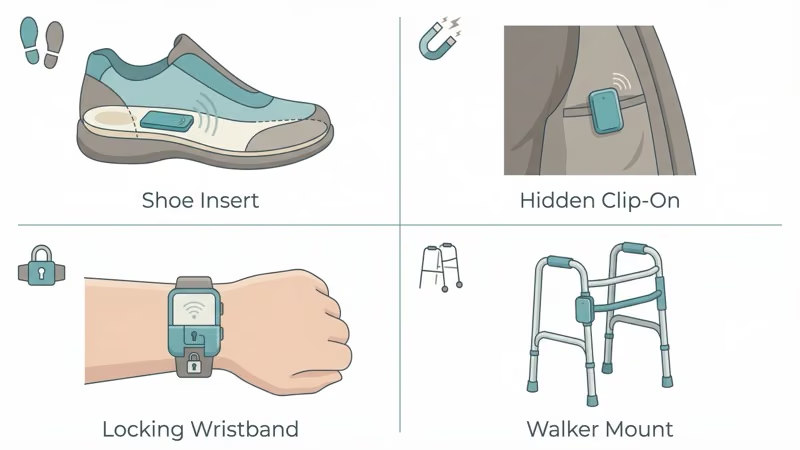
What Are Your Options When a Tracker Gets Removed?
Think about where the tracker is relative to the person, not which brand to buy. There are five practical approaches for refusal-resistant tracking:
- Shoe inserts. GPS hides inside the insole, below the foot. The wearer never touches it.
- Hidden clip-on inside clothing. Magnetic pins attach a tracker to the inside of a shirt or waistband. Invisible from outside.
- Locking wristband watches. For seniors who accept familiar watch-shaped objects but remove medical devices.
- Walker or wheelchair mounts. The tracker lives on the equipment, not the person.
- Belongings-based. AirTag inside a regularly-carried bag, wallet, or jacket pocket.
Each approach works for a different refusal pattern. The right one depends on what your parent actually refuses and what they’ll accept without question.
GPS Shoe Inserts: Hidden in Plain Sight
A shoe insert is the strongest option for cognitive refusal. The person cannot see the tracker: it sits under their foot inside the shoe. No clip, no band, no visible device.
GPS SmartSole is the purpose-built product here. It’s a full insole with a GPS and cellular radio built into the heel. You slide it inside any shoe, and the wearer has no idea it’s there. In our testing, it fit standard New Balance and Nike sneakers without removing the original insole; just set it on top.
 Top Pick
The trade-offs are real: the SmartSole updates every 10 minutes, not every few seconds. Battery life runs 1–2 days, so you’re charging the insole each night. The MetAlert product page shows the full spec sheet including compatible shoe sizes (Women’s 7–12, Men’s 9–14), which is a real limitation for smaller feet.
The ASME covered the SmartSole’s development in a piece on GPS shoe insoles for dementia patients, one of the few third-party write-ups covering the product’s practical performance.
For families who already have Apple AirTags and want a lower-cost supplement, the TagSole+ AirTag Shoe Insole is worth considering. It’s a passive insole with a pocket that holds an AirTag securely. There’s no real-time GPS: location updates depend on the Find My network, which works well in populated areas but misses in rural or sparse regions.

The key difference: GPS SmartSole tells you where someone is right now. An AirTag insole tells you where someone was the last time they walked near someone with an iPhone. For an active wanderer in an urban area, the AirTag approach can work as a backup. For rural areas or late-night wandering, it fails exactly when you need it most.
You can pair both approaches. Use GPS SmartSole as the primary tracker and AirTag in a shoe insert as a secondary fallback if the SmartSole needs charging.
Hidden Clip-On Trackers: The AngelSense Magnetic Pin Method
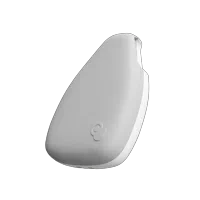
AngelSense is used widely in autism elopement prevention, but it solves the same problem here: a person who removes everything they can see or feel. The magnetic pin wearing option attaches AngelSense to the inside of a shirt, through the fabric. The wearer feels only a slight stiffness in the fabric, not something attached to them.
 Hot
Hot
The 10-second update interval is close to real-time in practice. If you’re trying to intercept someone who wandered out of a facility, a 10-second-old location is actionable. The tamper alert matters here too: if someone finds the device and removes it, you get a notification immediately.
AngelSense costs more than most alternatives ($44.99/month versus $8.99 for Jiobit), but the magnetic pin attachment isn’t available on any other GPS tracker. If the hidden-in-clothing approach fits your situation, there’s no direct substitute. Read our full AngelSense review for details on app setup and real-world accuracy.
For smaller, lighter alternatives, the Jiobit Gen 3 can also be tucked inside a special shoe pouch or waistband clip. At 18 grams and IPX8-rated, it’s light enough that some people never notice it’s there.
Locking Wristbands: For Seniors Who Accept a Watch
Some people with dementia remove medical-looking devices immediately but accept something that looks like a watch. They wore watches for decades, and a watch-shaped object on the wrist feels familiar rather than threatening.
The AngelSense Watch uses the same platform as the clip-on tracker, with a locking strap that requires a tool to remove. It looks like a regular sport watch. The GPS updates every 10 seconds, includes two-way calling, and sends a tamper alert if the strap is cut or forced.

The Tranquil Watch is another option at the higher end ($749, with subscription included for the first year). It was designed specifically for dementia patients, with no buttons or screen interactions required, and a strap that needs a small tool to release. Check Tranquil Tracker’s site for current availability, as it goes in and out of stock.
Locking straps prevent easy removal, but they can cause skin irritation or bruising if a person with dementia becomes agitated and pulls at the watch repeatedly. Check the wrist daily and switch to a looser fit if irritation appears.
Walker and Wheelchair Mounts: No Body Contact Required
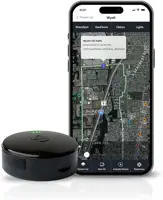
If your parent uses a walker or wheelchair, you can skip wearable trackers entirely. The LandAirSea 54 has a magnetic mount that attaches directly to metal walker frames in seconds, with no body contact and nothing visible from standing height.
 Best Value
In our testing, we attached the LandAirSea 54 to the bottom crossbar of a standard wheeled walker. It held through normal use, was invisible from standing height, and updated location every 3 seconds in outdoor areas. That 3-second interval is notably faster than GPS SmartSole’s 10-minute cycle, which matters if your parent moves quickly.
One practical note: most standard aluminum walkers will hold the magnet. Carbon fiber walkers and some plastic-framed models won’t. Test the magnet on your specific walker before relying on it.
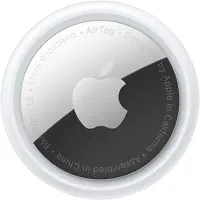
For families who want a zero-cost addition, an Apple AirTag 2 zip-tied to the walker frame works as a passive backup. It won’t give you real-time location, but it will show the last known position on Find My.
How Do You Choose the Right Approach for Your Parent?
The form factor should match the refusal pattern, not the price point. Here’s the decision logic:
| Refusal Pattern | Best Form Factor | Product |
|---|---|---|
| Removes everything they can touch | Shoe insert (under foot) | GPS SmartSole |
| Accepts clothing but rips off clip-ons | Hidden inside clothing | AngelSense (magnetic pin) |
| Accepts watches, removes medical devices | Locking watch | AngelSense Watch |
| Uses walker or wheelchair | Equipment mount | LandAirSea 54 |
| Mobile, forgets to charge devices | Long-battery small clip | Jiobit Gen 3 |
| All approaches fail (late stage) | Layered approach | SmartSole + AirTag insole |
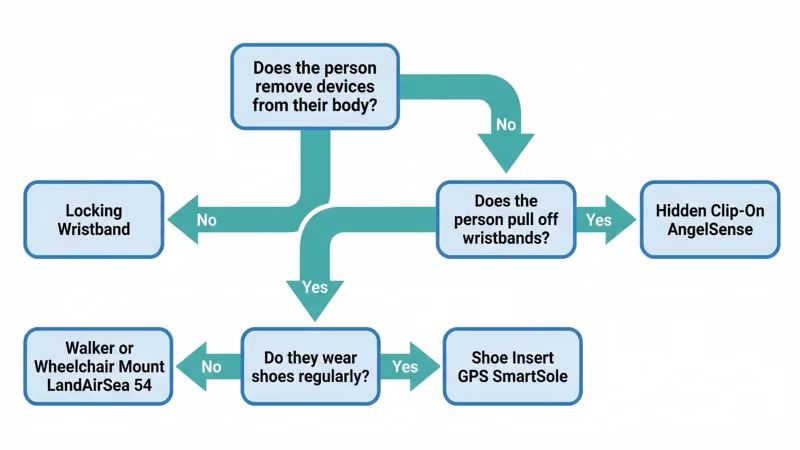
The Alzheimer’s Association’s caregiver resources section covers the behavioral stages of dementia in detail. Knowing which stage your parent is in helps predict which form factor resistance is likely to come next, and it’s worth reading before committing to hardware.
On the legal question: In most US states, a guardian or healthcare proxy can authorize tracking devices for a person who lacks capacity to consent. This is treated similarly to other medical and safety decisions. If you’re unsure about your specific situation, the Alzheimer’s Association’s helpline (1-800-272-3900) can connect you with a social worker who knows your state’s rules. See our guide to tracking elderly parents legally and ethically for a fuller breakdown.
Bottom Line
If your parent is removing every tracker you try, stop focusing on which brand and start focusing on where the tracker lives. Shoe inserts hide below the foot with nothing to remove. Magnetic pins hide trackers inside clothing with nothing to see. Walker mounts take the person out of the equation entirely.
GPS SmartSole is the strongest single product for refusal cases: purpose-built for this problem, with real-time GPS in a fully hidden form factor. If the $359 device cost plus subscription is a concern, the AngelSense Watch or LandAirSea 54 on a walker frame are solid second options at lower price points. Adding an AirTag 2 insole or zip-tied to the walker frame as a backup costs $29 and requires no changes to the primary setup.
For late-stage dementia, a layered approach usually works best: a primary real-time GPS for normal days, plus an AirTag as a passive fallback when the primary device needs charging or gets removed.
FAQ
What is the best GPS tracker for a dementia patient who removes every device?
GPS SmartSole is the strongest option for patients who remove everything visible. The GPS sits inside a shoe insole, completely below the foot — the wearer never sees or touches it. It provides real-time location updates every 10 minutes via cellular GPS and sends geofence alerts when the person leaves a set area. At $359 plus $29.95/month, it's not inexpensive, but it solves the refusal problem that other trackers can't. AngelSense with magnetic pin attachment is the alternative if shoe-based tracking isn't practical.
How does the GPS SmartSole work and how accurate is it?
GPS SmartSole is a full-length insole with a GPS module, cellular radio, and rechargeable battery built into the heel section. You slide it into any shoe, and the wearer's normal pressure on the insole activates the tracker. It communicates via cellular networks and updates location every 10 minutes in standard mode. Accuracy is within 5-10 meters in outdoor open areas, which is sufficient for emergency response. Battery lasts 1-2 days depending on usage and requires charging each night via a cradle.
Can you hide a GPS tracker inside a shoe insole without the person knowing?
Yes. Both GPS SmartSole (purpose-built GPS insole) and the TagSole+ AirTag insole (holds an AirTag inside a pocket in the insole) can be placed in a shoe without the wearer's knowledge. GPS SmartSole provides real-time cellular GPS. TagSole+ provides crowd-sourced Bluetooth location via the Apple Find My network at no monthly fee. Neither approach requires modifying the shoe — the insoles slide in and out like a standard replacement insole.
Is it legal to track an elderly parent who refuses to consent?
In most US states, a legal guardian or person holding healthcare power of attorney can authorize the use of a GPS tracker for a person who lacks capacity to make their own medical decisions. This is treated similarly to other medical and safety interventions. The specific rules vary by state. The Alzheimer's Association helpline (1-800-272-3900) can connect you with a social worker who can advise on your state's requirements. When in doubt, document the medical necessity and consult with the treating physician.
What if my parent refuses to wear shoes — are there other hidden tracker options?
Yes. AngelSense with a magnetic safety pin attaches the tracker inside any shirt or waistband through the fabric. The wearer feels a slight stiffness in the fabric but no attached device. LandAirSea 54 on a walker or wheelchair frame requires no body contact at all. An AirTag placed inside a regularly-carried bag or coat pocket works as a passive backup. For non-ambulatory patients in a care setting, a device tucked inside a pillow case or attached to a bed rail offers location tracking without any wearable at all.
How long does the GPS SmartSole battery last before charging?
GPS SmartSole battery lasts approximately 1-2 days depending on how frequently it's active and the cellular signal quality in your area. In practice, most caregivers build the charging into the nightly routine: remove the insole when the person goes to bed, place it on the charging cradle, reinsert in the morning. The charging cradle fully recharges the insole in about 2 hours. If a full day out is planned, charge to 100% the night before.
What is the difference between a discreet tracker and a tamper-proof tracker?
Discreet means hidden from view — the wearer may not notice it. Tamper-proof means physically secured against removal — the wearer cannot take it off easily even if they find it. GPS SmartSole and the AirTag insole are discreet but not tamper-proof. AngelSense Watch with a locking strap is both discreet (looks like a regular watch) and tamper-proof (requires a tool to remove). For dementia patients, the best choice depends on whether the refusal is cognitive (use discreet) or motivated (use tamper-proof).