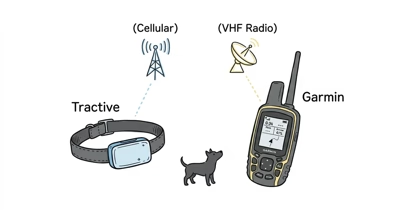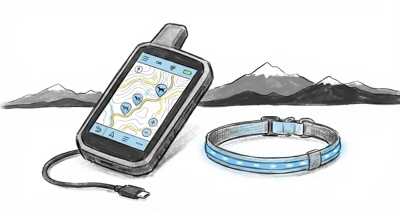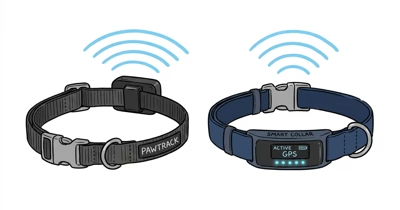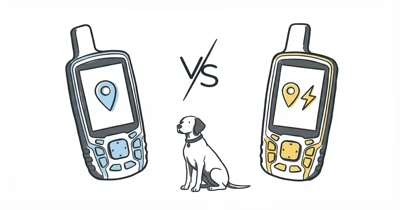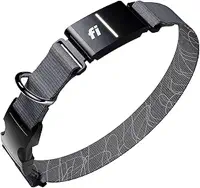
The fi collar vs garmin debate is about two different GPS philosophies. Fi is a smart collar with app-based tracking. Garmin is a professional radio GPS system built for wilderness hunting.
Fi’s Series 3 is built around daily urban and suburban use, with battery behavior that shifts between standard and Lost Dog modes. The Garmin Alpha 300 and Alpha 10, by contrast, are designed for field use across open prairie, dense forest, and mountain terrain with dogs running at range. The comparison below pulls from each maker’s published specifications and reputable hands-on reviews.
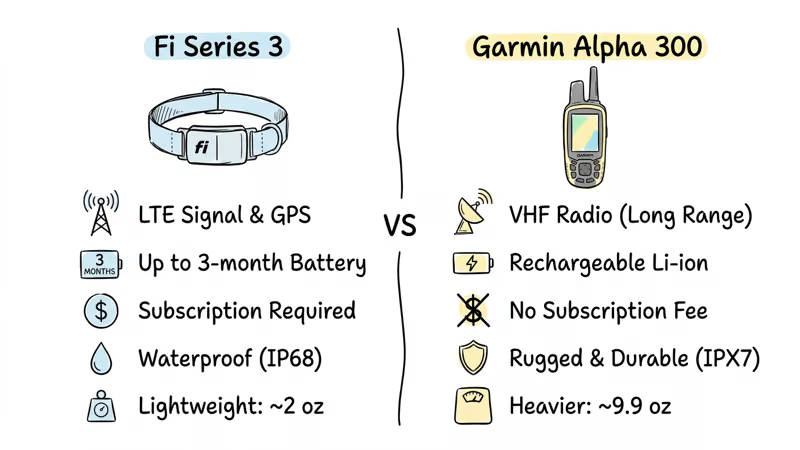
- Fi Series 3 costs $149 upfront plus $168 per year — the Garmin Alpha 300 costs $700 with zero subscription ever
- Fi uses LTE-M cellular GPS — it requires cell coverage, which means it fails in remote backcountry
- Garmin Alpha 300 reaches 9 miles via VHF radio — works without any cell signal or phone connection
- Fi weighs 28g and tracks steps, sleep, and activity — the Garmin TT 25 collar weighs 55g and has no health monitoring
- Year-3 TCO: Fi totals approximately $485 vs Garmin Alpha 300 at $700 — the subscription gap closes over time
Quick Comparison: Fi vs Garmin at a Glance
| Feature | Fi Series 3 | Garmin Alpha 300 | Garmin Alpha 10 |
|---|---|---|---|
| Price (hardware) | $149 | ~$700 | ~$250 |
| Subscription | $14/mo ($168/yr) | None | None |
| Tracking tech | LTE-M cellular | GPS + VHF radio | GPS + VHF radio |
| Range | Cell coverage area | Up to 9 miles | Up to 9 miles |
| Collar weight | 28g | 55g (TT 25) | TT 25 collar |
| Battery (collar) | 3 months standard / 24hr Lost Dog | 68 hours | 68 hours |
| Activity tracking | Steps, sleep, breed benchmarks | None | None |
| Training e-collar | No | Yes (integrated) | No (tracking only) |
| Dogs tracked | 1 | Up to 20 | Up to 20 |
| Works without cell | No | Yes | Yes |
| 1-year total cost | ~$317 | ~$700 | ~$250 |
| 3-year total cost | ~$485 | ~$700 | ~$250 |
Who Should Choose Fi vs Garmin?
The right answer depends on where your dog goes, not which brand has the longer feature list. Both collars locate over the GPS satellite network documented at GPS.gov.
Fi is the right tracker if your dog lives in a home, walks in neighborhoods or parks, and occasionally escapes. The LTE-M cellular system means you track from your phone in real time with no separate device to carry. Activity monitoring (steps, sleep, streak goals, breed comparisons) runs continuously as a built-in benefit of the collar.
If your dog gets loose in a suburb or city, Fi gives you the fastest path back to them.
Garmin Alpha is right if you run hunting dogs or working dogs in terrain where cell coverage disappears. VHF radio between the handheld and the collar doesn’t care about cell towers. At 9 miles, you get precise position even in dense forest, mountain valleys, or open plains far from any network.
The Garmin handheld tracks up to 20 dogs simultaneously. That’s critical for hunters running a full pack in split terrain.
The common mistake is assuming the $700 Garmin is simply “better” than the $149 Fi. For a family dog in a city, Garmin Alpha is hard to use daily and requires a separate device you have to remember to charge. For a hunting dog running backcountry, Fi stops working the moment cellular signal drops. Both failures are real.
For a broader look at collar options across categories, see our guides to the best smart dog collars and the best GPS collars for hunting dogs.
Fi Series 3: Smart Collar GPS
Fi Series 3 is a GPS-enabled dog collar, not a clip-on module. The GPS hardware is integrated into a 28g component that sits flush on the collar band. Fi rates the collar for about three months in standard mode, while Lost Dog mode uses high-frequency tracking and cuts runtime to roughly 24 hours. Our Fi Series 3 review covers the mode trade-offs in more detail.
The cellular system uses LTE-M, a low-power network optimized for devices that need long range and long battery life. Coverage maps to wherever your carrier’s network reaches: most of the continental US for daily suburban use, but essentially zero in mountain valleys and wilderness.
Fi’s app is the primary interface. You get live location on a map, geofence alerts, activity history, and breed-matched step comparisons.
The activity data is practically useful: you can see whether your dog actually ran at the dog park or just trotted around the perimeter. No competing GPS collar offers this combination at this price. The American Veterinary Medical Association covers the pet-ID basics worth pairing with any collar.
The $14/month subscription is required for GPS tracking. Without it, Fi’s a basic collar with a Bluetooth step counter.
Garmin Alpha 300: Professional Radio GPS
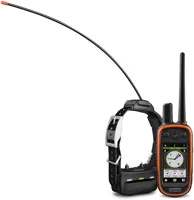
Garmin Alpha 300 is a two-component system: the handheld GPS unit and the TT 25 collar worn by the dog. They communicate via VHF radio, not cell towers. Garmin rates the system for up to 9 miles in open terrain, while tree cover, ridges, and valleys can reduce usable range. Our Garmin Alpha 300 review covers the hunting-use trade-offs in more detail.
The TT 25 collar weighs 55g — about twice the Fi module. It runs 68 hours per charge, the handheld lasts 20 hours, and neither needs a phone to operate.
Simultaneous tracking of up to 20 dogs is supported from a single handheld, with preloaded topographic maps and integrated e-collar training functions (tone, vibration, stimulation). The Garmin Alpha 300 product page states: “Track and train up to 20 dogs at distances up to 9 miles.” Garmin confirms that the handheld supports up to 20 dogs simultaneously with preloaded BirdsEye satellite imagery for off-trail navigation.
There’s no subscription. Ever. You pay once for hardware, and Garmin’s tracking works until the battery dies.
The Garmin Alpha 300 isn’t an everyday collar. Mounting the TT 25 device for a morning walk is impractical: it’s heavier, bulkier, and the handheld adds another device to manage. This system is built for hunters, search-and-rescue handlers, and working dog trainers who need radio tracking at serious range.
The Garmin Alpha 300 does not track steps, sleep, or any health metrics. If activity monitoring matters to you, Garmin is not the right tool.
GPS Tracking and Range: Where Each System Works
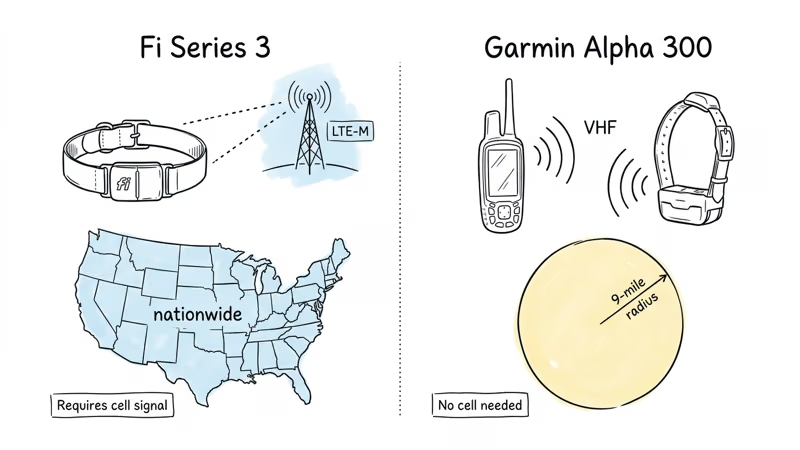
Fi’s LTE-M cellular GPS has no fixed range limit in covered areas. In a city or suburb, your dog’s location updates on your phone as long as they’re within cell coverage. The Fi Series 3 official specs confirms that LTE-M connectivity is the tracking backbone, with in-app coverage maps available per region. That architecture is well-matched to urban and suburban environments where cell towers are everywhere.
Garmin Alpha’s 9-mile VHF radio range is measured from handheld to collar, independent of any network. That range matters when your dog runs over a ridge, drops into a valley, or moves through terrain where cell towers don’t exist. In those conditions, Fi stops updating entirely. Garmin keeps tracking.
For hunting dogs, Fi is a clear no. Most serious hunting happens in areas with unreliable or absent cell coverage. A tracker that goes offline in the field isn’t a tool; it’s a liability. Because Fi depends on LTE-M, tracking updates stop when cellular signal disappears.
For urban and suburban dogs, Garmin’s 9-mile range is irrelevant. Your dog won’t travel 9 miles from you. Fi is the right architecture here.
Is Garmin Worth 4x the Price?
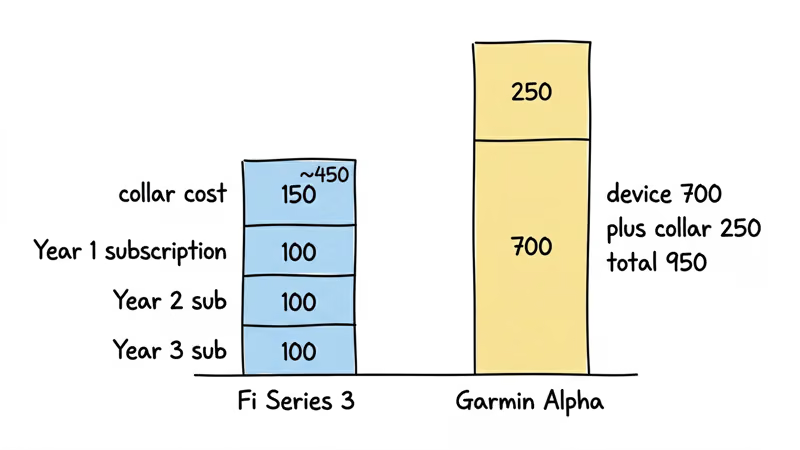
At $149 plus a $14/month subscription, Fi costs $317 in year one. The Garmin Alpha 300 costs $700 in year one. That gap looks decisive. But subscription costs compound over time.
3-Year Total Cost of Ownership:
| Year | Fi Series 3 | Garmin Alpha 300 | Garmin Alpha 10 |
|---|---|---|---|
| Hardware | $149 | $700 | $250 |
| Year 1 subscription | $168 | $0 | $0 |
| Year 2 subscription | $168 | $0 | $0 |
| 3-Year Total | ~$485 | $700 | $250 |
By year three, Fi has cost $485. That’s still $215 less than Garmin Alpha 300. But the gap keeps closing. At five years, Garmin becomes the less expensive option.
The Garmin Alpha 10 changes the math significantly. At $250 with no subscription, it provides the same VHF radio tracking and 9-mile range as the Alpha 300, without e-collar training or the touchscreen display. After three years, it costs $250 flat versus Fi’s $485. See our Garmin Alpha 10 review for a full breakdown of what you give up.
The right financial framing: if you need cell-free tracking for hunting, the Alpha 10 at $250 beats both on long-term cost. If you need activity monitoring and real-time phone alerts for everyday use, Fi at $149 plus subscription is the more practical choice.
Activity Monitoring: Fi’s Exclusive Advantage
This is the one area where the two systems aren’t in the same category.
Fi Series 3 tracks every step your dog takes, logs sleep duration and quality, and benchmarks activity against other dogs of the same breed and age. Streak goals and daily targets build habits for owners and dogs alike. You can see whether your dog actually ran at the dog park or just trotted around the perimeter.
Garmin Alpha 300 tracks one thing: GPS position. No steps, no sleep, no health data at all.
If activity monitoring factors into your purchase decision (for a dog recovering from surgery, a senior dog, or a puppy in a weight management program), Garmin has nothing to offer. Fi’s activity platform is why many owners in well-covered areas choose it over other cellular trackers. For a different smart collar comparison on the activity front, see our Fi vs Halo comparison.
The American Kennel Club recommends GPS trackers with activity monitoring in its guide to GPS dog trackers, noting the value of step and health data for senior dogs and those in post-surgery recovery.
Garmin Alpha 10 (Budget Option)
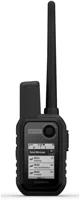
At $250, the Alpha 10 uses the same VHF radio architecture and TT 25 collar as the Alpha 300.
Tracking range and cell-independence are identical to the Alpha 300. What you lose: the e-collar training functions, the touchscreen display, and the preloaded topo maps of the more expensive unit. If you run dogs in hunting situations but don’t use remote training, those missing features don’t affect your core use case. Garmin’s support portal lists the full Alpha spec sheet.
It’s the only option in this comparison that costs less than Fi over a three-year period.
⇄ Head-to-head
Fi Series 3 vs Garmin Alpha 300 vs Alpha 10
- +28g module, lightest GPS option in the category
- +3-month battery in standard mode, drops to 24 hr in Lost Dog mode
- +Real-time GPS from your phone, no separate handheld device
- +Activity tracking, sleep monitoring, and breed-benchmark comparisons
- +IP68 waterproof, durable for daily 24/7 collar wear
- +9-mile VHF radio range, works completely without cell service
- +Tracks up to 20 dogs simultaneously from one handheld
- +Integrated e-collar training: tone, vibration, stimulation
- +Preloaded topo maps + BirdsEye satellite imagery for off-trail navigation
- +No subscription ever, pay once and own
- +$250, lowest 3-year cost of any tracker in this comparison
- +Same 9-mile VHF range as the Alpha 300 in a budget package
- +Tracks up to 20 dogs simultaneously, same multi-dog ceiling
- +Compatible with the same TT 25 collar system
- +No subscription ever
- −$14/mo subscription required for GPS features
- −Fails completely without cell coverage, useless in backcountry
- −Single-dog only, no multi-dog tracking
- −No e-collar or training integration
- −3-year TCO about $485 once subscription compounds
- −About $700 upfront, the highest entry cost of any tracker here
- −55g TT 25 collar weight, twice the Fi module, impractical for daily wear
- −Separate handheld device to carry, manage, and charge (20 hr battery)
- −No activity, sleep, or health monitoring
- −Steep setup vs phone-based trackers
- −No e-collar training (Alpha 300 has it, Alpha 10 doesn't)
- −1-inch display, much smaller than Alpha 300
- −No preloaded topo maps
- −Still needs cell coverage for app sync features
- −55g TT 25 collar, same weight burden as Alpha 300
Your dog lives in a city or suburb with solid cell coverage, you want activity tracking alongside GPS, and a lightweight everyday collar matters more than range.
You hunt dogs or run working dogs in terrain without cell coverage, need multi-dog tracking, or want integrated e-collar training in a single device.
You need cell-free VHF radio tracking at the lowest possible cost, e-collar training is not required, and 3-year TCO is the deciding factor.
Bottom Line
Fi Series 3 and Garmin Alpha aren’t competing for the same buyer. Fi wins for everyday dog owners who want real-time phone tracking, activity monitoring, and a lightweight collar their dog can wear 24/7, as long as they stay in cell coverage. Garmin Alpha wins for hunters and working dog handlers who need mile-range VHF radio tracking regardless of network conditions.
If you hunt, the answer is Garmin. The Alpha 10 at $250 is the most cost-effective path if you don’t need e-collar training. If your dog lives in a neighborhood and occasionally escapes, Fi at $149 plus subscription is the more practical tool.
For more comparisons, see our Tractive vs Fi guide for the cellular tracker alternative, which is the closest day-to-day match for most owners weighing Fi against another subscription tracker.
FAQ
Is Fi or Garmin better for everyday dog tracking?
Fi Series 3 is better for everyday dog tracking. It provides real-time GPS via your smartphone, tracks activity and sleep, and uses a 28g module light enough for daily collar wear. Garmin Alpha is a professional hunting tool: its dedicated handheld and 55g collar make it impractical for daily use by most pet owners. For dogs in cities and suburbs with solid cellular coverage, Fi is the right choice.
Does the Garmin Alpha work without cell service?
Yes. The Garmin Alpha system uses VHF radio between the handheld unit and the TT 25 collar, with no reliance on cellular networks. You get GPS tracking at up to 9 miles without a phone, without a tower, and without any data plan. This is the primary reason hunters and working dog handlers choose Garmin over cellular-based trackers like Fi.
Is Fi a good GPS tracker for hunting dogs?
No. Fi Series 3 uses LTE-M cellular GPS, which requires active cell coverage to function. Most serious hunting occurs in rural and wilderness areas where cell coverage is absent or unreliable. In those conditions, Fi stops tracking entirely. If you hunt with dogs, Garmin Alpha or another VHF radio-based system is the only practical option.
How much does Fi cost per year compared to Garmin?
Fi Series 3 costs $149 upfront plus $168 per year for the GPS subscription, totaling approximately $317 in year one and $485 over three years. Garmin Alpha 300 costs approximately $700 upfront with no subscription, ever. The Garmin Alpha 10 costs $250 with no subscription. Over three years, the Alpha 10 is the lowest total-cost option, and the Alpha 300 breaks even around year four to five compared to Fi.
Can the Garmin Alpha track multiple dogs at once?
Yes. The Garmin Alpha 300 and Alpha 10 both track up to 20 dogs simultaneously from a single handheld unit. Each dog requires its own TT 25 collar. This multi-dog capability is a major reason professional hunters choose Garmin: they can monitor an entire pack from one device. Fi tracks one dog per collar, with no multi-dog mode.
Does Fi work in rural areas or remote locations?
Fi works in rural areas where LTE-M cellular coverage exists, which covers most US towns and many rural highways. In true remote locations (mountain backcountry, national forests, open range wilderness), cellular coverage disappears and Fi stops functioning. The app shows the last known location, but no live tracking occurs until the dog re-enters a covered area.
Which has better battery life, Fi Series 3 or Garmin Alpha?
It depends on the mode. Fi Series 3 runs about three months in standard mode, significantly longer than any Garmin component. In Lost Dog mode (high-frequency GPS updates), Fi drops to approximately 24 hours. The Garmin TT 25 collar runs 68 hours and the Alpha 300 handheld runs 20 hours in active field use. For daily wear with occasional GPS checks, Fi’s battery is unmatched. For multi-day hunting trips with constant active tracking, Garmin’s field-optimized components are the practical choice.