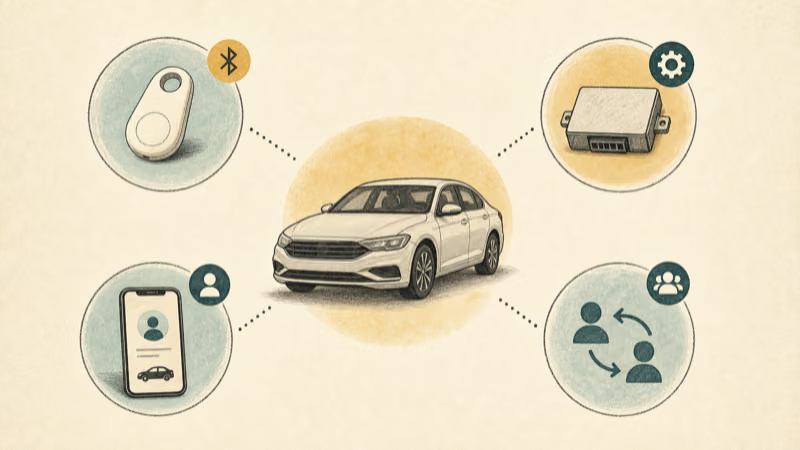
A vehicle can reveal location through more than one path. A placed tracker is one possibility, but connected-car accounts, shared phone accounts, authorized-driver access, or an unfamiliar diagnostic-port device can matter too.
Don’t assume a clean Bluetooth scan means the car is clear.
If abuse or stalking may be involved, changing an account or removing a device can alert another person. Plan the next step from a safer device and place when possible.
- Separate the tracking paths. Bluetooth alerts, cellular or installed devices, connected-car accounts, and phone accounts need different checks.
- Keep a self-check narrow. Look only at visible, accessible areas of a vehicle you own or are authorized to inspect.
- Don’t crawl under, lift, or dismantle the car. A trusted mechanic can inspect the underbody, diagnostic area, aftermarket wiring, and nonfactory hardware safely.
- A consumer detector can’t prove the car is clear. Legitimate radio sources, intermittent transmissions, and non-radio account access create false confidence.
- Safety can come before removal. An advocate or law enforcement contact can help plan documentation and changes when abuse or stalking is a concern.
Start With Safety, Not a DIY Sweep
Move to a well-lit public or staffed location if you feel followed or unsafe. Don’t confront a suspected person, drive to a private destination, or put yourself beneath a vehicle on a roadside.
Use a different phone or computer to seek help if the device or account you normally use may be monitored. The FTC recommends safety planning before removing monitoring access because research, calls, or account changes can tip off an abusive person.
The same principle applies to a vehicle tracker.
Safety Net recommends safety planning before removal because a device can be hidden in a vehicle and changing it may alert an abuser. Its guidance points to a mechanic or law enforcement rather than a risky solo search.
If danger is immediate, contact local emergency services. In the United States, The National Domestic Violence Hotline confirms that live advocates are available at 800-799-SAFE (7233), by chat, or by texting START to 88788.

Which Tracking Path Are You Dealing With?
Start with categories rather than guessing a hiding place.
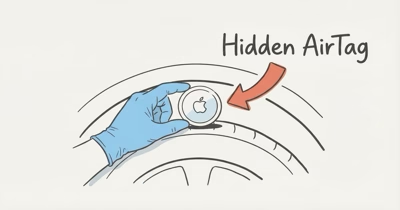
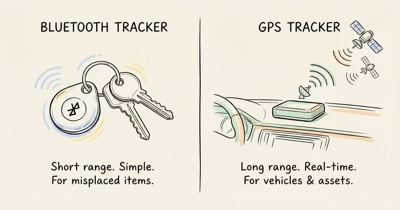
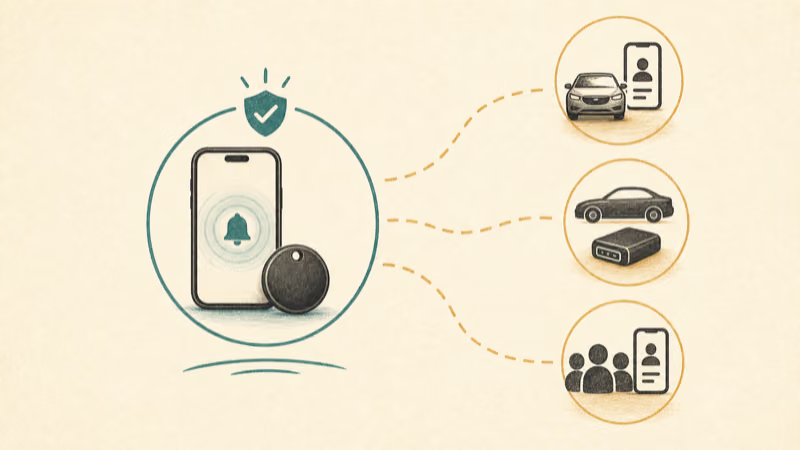
A supported Bluetooth tracker may trigger an iPhone or Android unknown-tracker alert. AirTag is in this category. The alert can offer Play Sound, Find Nearby, or device-specific instructions, depending on the phone and tracker.
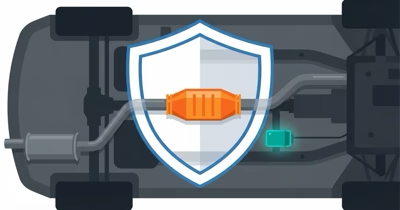
A placed or installed vehicle device may use satellite positioning, cellular data, local storage, or a combination. There is no universal phone alert for every product or installation.
Paths can overlap.
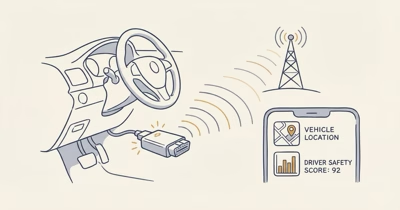
A connected-car account can expose vehicle location or controls to someone who still has authorized access. Shared credentials, stale drivers, dealer accounts, and manufacturer apps deserve review.
A phone or online account can reveal your location without any hardware in the car. Location sharing, shared Apple or Google accounts, family plans, and compromised passwords belong in a separate account-safety review.
Safety Net’s current connected-car guide confirms that misuse can involve a tracker, a phone left in the car, an unauthorized diagnostic device, or the vehicle’s own app and account. One clean check doesn’t clear the others.
A Safe Self-Check Has Narrow Limits
Review only a vehicle you own or have clear permission to inspect.
Begin with records and visible access:
- Review the vehicle app’s users, shared drivers, recent sign-ins, and notifications without deleting access if doing so could increase risk.
- Note unfamiliar accessories or devices that are already visible in the cabin, cargo area, or diagnostic-port area. Don’t reach behind trim, pull wiring, or disconnect a device automatically.
- Check your phone for an official unknown-tracker alert. If the alert identifies AirTag, use the dedicated vehicle AirTag safety guide instead of guessing where it may be.
- Write down unexplained account access, alerts, dates, or vehicle changes. Use screenshots or photos only when doing so is safe.
Stop before lifting the car, entering traffic, touching hot or moving parts, or searching a place you can’t see. A flashlight view from a safe standing or kneeling position isn’t the same as crawling under the chassis.
An absence of visible hardware is not proof.
Can a Phone or RF Detector Clear the Vehicle?
No single consumer scan can clear every tracking path.
For AirTag and supported compatible Bluetooth trackers, Apple states that an iPhone or iPad can alert when an item separated from its owner appears to move with you over time. Google confirms that Android 6 and later can issue automatic unknown-tracker alerts and run a manual scan.
Those protections don’t audit a connected-car account or prove that no cellular, wired, dormant, or offline device exists.
A clean result has narrow meaning.
Bluetooth scanner apps can also show nearby legitimate accessories. A nearby signal doesn’t prove a device is attached to your car, who owns it, or why it’s present.
Consumer RF detectors have a similar limit. Cars, phones, Wi-Fi equipment, cameras, keyless systems, and nearby networks create ordinary radio activity, while a device may transmit intermittently or not at all during the check. HotAirTag hasn’t independently validated a detector model or a frequency recipe, so this guide doesn’t recommend a DIY sweep pattern or purchase.
Professional Inspection and Documentation
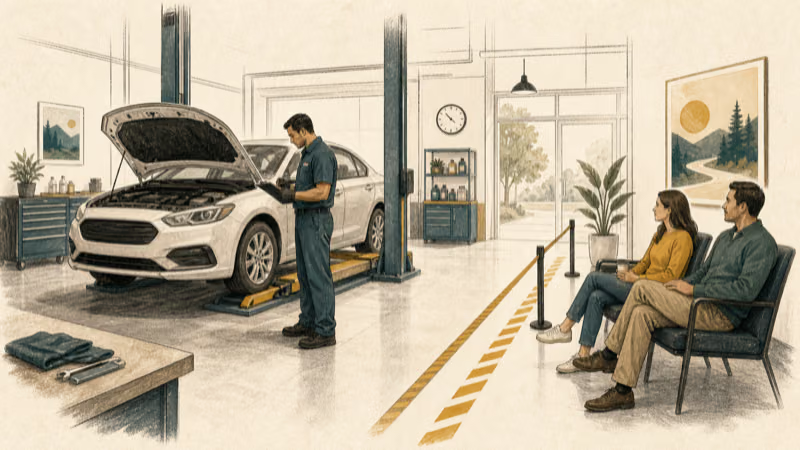
Ask a trusted mechanic to look for nonfactory devices, unexplained wiring, unfamiliar diagnostic-port attachments, or modifications that don’t match the vehicle’s service history. Tell the shop that the concern is unauthorized tracking so it can document what it finds before changing anything.
Stay out of the work area while the vehicle is lifted.
A mechanic can establish whether hardware belongs to the vehicle, but may not determine who installed it or whether a crime occurred. A specialist may be appropriate when the vehicle has complex aftermarket electronics or a regular inspection finds nothing despite ongoing concern.
Documentation has limits.
If you want to report the situation, ask local law enforcement or a lawyer what documentation is useful in your jurisdiction. Don’t assume fingerprints, account records, retention periods, or company disclosures will be available.
Laws differ by ownership, consent, relationship, employment, court orders, and location. Avoid blanket claims that every placement is criminal in every state or that one court decision settles a private dispute.
If You Find an Unfamiliar Device
Pause before touching, unplugging, shielding, destroying, or opening it.
If it’s safe, photograph the device as found and any visible markings without moving into traffic or beneath the car. Record when and where you noticed it, but don’t make claims about ownership or intent that the device alone can’t prove.
Choose the next action around safety:
- If you feel in danger, move to a staffed public place and contact emergency services or a trusted person.
- If abuse or stalking may be involved, use an advocate and a safer device to plan whether and when access should change.
- If the device is wired, inaccessible, hot, damaged, or attached near vehicle systems, leave it for a qualified professional.
- If an official Bluetooth alert identifies the product, follow its onscreen manufacturer instructions. The cross-platform unwanted-tracker guide explains the protective path without a teardown.
Don’t remove a battery, wrap the device in foil, place it in a bag, or drive it somewhere as a generic rule. Those actions can change risk, damage the vehicle, alter potential records, or create a false sense that all tracking has stopped.
Bottom Line
A safe vehicle check starts by separating four possibilities: a supported Bluetooth tracker, a placed or installed device, connected-car account access, and phone or online-account access.
Use official alerts where they apply, review visible accounts and hardware, and stop before an unsafe or invasive search. A trusted mechanic can inspect the vehicle; an advocate, law enforcement contact, or lawyer can help with safety, reporting, and local rules.
A clean phone scan is one data point, not proof that the car is clear.
FAQ
Can a phone find every GPS tracker on a car?
No. Official phone alerts cover supported Bluetooth trackers, not every cellular, wired, offline, connected-car, or account-based tracking path.
Does a clean Bluetooth scan mean the car is safe?
No. It may reduce concern about nearby supported Bluetooth trackers at that moment, but it can’t rule out vehicle-account access, phone-account access, or every installed device.
Should I crawl under my car to look for a tracker?
No. Don’t put yourself under a vehicle, enter traffic, lift the car, or reach near hot or moving parts. Ask a trusted mechanic to inspect unsafe or hidden areas.
Can a mechanic check a car for an unfamiliar device?
Yes. Ask specifically for nonfactory hardware, diagnostic-port attachments, unexplained wiring, and modifications that don’t match the service history. A normal maintenance visit may not include that review.
Should I remove an unfamiliar tracker immediately?
Not automatically. Removal or an account change may alert another person, affect safety, or damage vehicle systems. Photograph it if safe and ask an advocate, mechanic, or law enforcement contact about the next step.
Is placing a tracker on someone else’s car always illegal?
Don’t rely on a universal answer. Ownership, consent, relationship, employment, court orders, and local law can change the analysis. Seek qualified local advice for a specific situation.
What should I do if tracking may be part of abuse or stalking?
Prioritize immediate safety and use a safer device to contact a trusted person, domestic violence advocate, or local emergency service. Plan before removing hardware or changing access if those actions could increase risk.