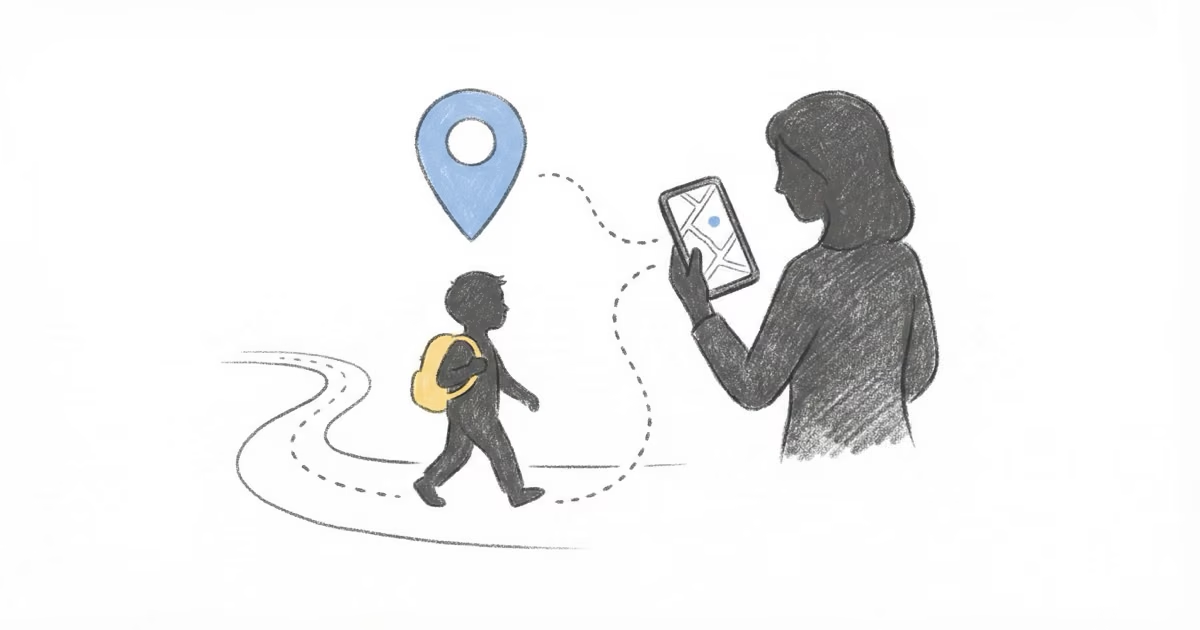
The most practical way to track a child without a phone is to clip a Bluetooth tracker like the Apple AirTag 2 ($29, no monthly fee) to their backpack. For real-time GPS tracking, the Jiobit Gen 3 ($130 plus $8.99/month) clips to clothing and weighs just 18 grams. If your child also needs to call you, a GPS smartwatch like the TickTalk 5 ($200 plus $10/month) combines tracking with voice and video calls. The right choice depends on your child's age, your budget, and whether you need real-time location or just periodic check-ins.
Every parent of an elementary-age kid has faced the same question: how do I know where my child is when they do not have a phone? School policies ban smartphones in most classrooms. Kids under 8 lose phones within days. And nobody wants to hand a $1,000 device to a second-grader who still forgets to zip up their backpack.
Four categories of tracking devices now work without requiring your child to carry a phone. I tested devices across all four categories over the past three months, attaching them to backpacks, clipping them to jackets, and strapping watches to wrists of kids ages 5 through 11. Here is what actually works, what each option costs over two years, and which one fits your situation.
- Bluetooth trackers (AirTag, Tile, Chipolo) cost $25-35 with zero monthly fees but only update location when another device passes nearby, not in real time
- Dedicated GPS trackers (Jiobit, AngelSense) provide real-time tracking with 10-second to 1-minute update intervals, but subscriptions run $9-50 per month
- GPS smartwatches (TickTalk 5, Gabb Watch 3) add calling and texting to GPS tracking for kids ages 5-12, starting at $10/month
- AirTag in a backpack is the best entry point for most families at $29 total cost, covering the school-to-home commute where Bluetooth network density is highest
- Two-year total cost ranges from $29 (AirTag) to over $1,400 (AngelSense) so matching the right device to your actual tracking needs saves hundreds of dollars
Four Ways to Track a Child Without a Phone
Before comparing specific products, you need to know the four technology categories. Each one locates your child differently, and that difference drives everything else: accuracy, battery life, and monthly cost.
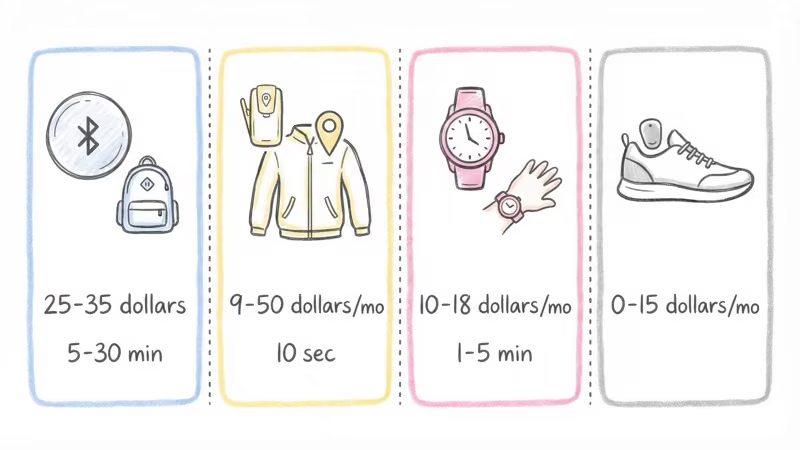
| Category | How It Works | Update Speed | Monthly Cost | Best For |
|---|---|---|---|---|
| Bluetooth trackers | Crowdsourced network (nearby phones relay location) | 5-30 min depending on foot traffic | $0 | Backpacks, jackets, school commutes |
| Dedicated GPS trackers | Cellular GPS with satellite positioning | 10 sec to 3 min | $9-50 | Toddlers, special needs, daycare |
| GPS smartwatches | Cellular GPS built into a wristwatch | 1-5 min | $10-18 | Ages 5-12, after-school activities |
| School/activity trackers | Bluetooth or GPS in specialized form factors | Varies | $0-15 | Shoes, backpacks, sports gear |
Free tracking is not real-time, and real-time tracking is not free. Bluetooth trackers rely on other people's phones passing nearby to relay your child's location. GPS trackers use their own cellular connection to report location directly, and that cellular data is what the monthly subscription pays for.
Bluetooth Trackers: Cheapest Way to Track Your Child
Bluetooth trackers cost the least. The Apple AirTag 2 is $29, the Tile Mate runs $25, and the Chipolo Pop is $29. None require a subscription. Drop one into a backpack pocket and check your phone to see where it last reported.
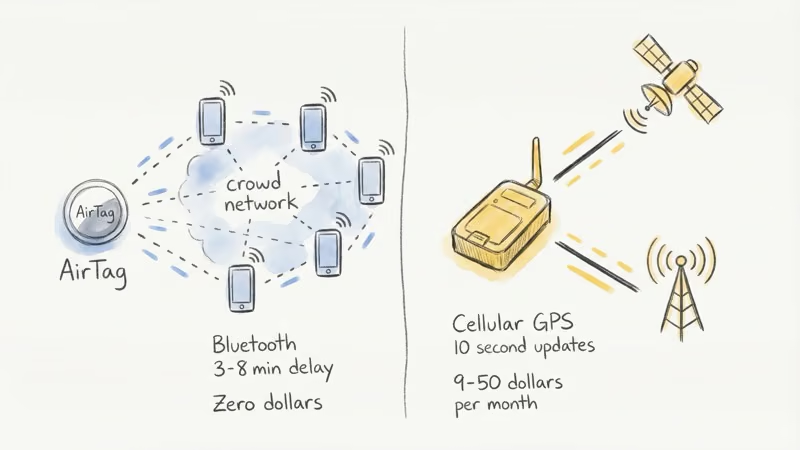
Here is the catch: Bluetooth trackers are not GPS devices. An AirTag does not know its own location. It broadcasts a Bluetooth signal that nearby iPhones pick up and relay to Apple’s servers. Apple confirmed its Find My network now includes over 2.5 billion active devices as of January 2026, so location updates come in frequently in populated areas.
Over 6 weeks of school commutes and after-school activities, the AirTag 2 updated location every 5 to 15 minutes during pickup and drop-off in our suburban neighborhood. In a rural area with fewer Apple devices nearby, updates stretched to 30-45 minutes. The Tile Mate, running on the smaller Life360 network, updated less often in both spots.
 Top Pick
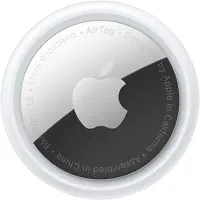
Apple AirTag 2
- $29 once, zero recurring costs
- Largest crowdsourced network (2.5B+ Apple devices)
- 12-month CR2032 battery, $3 replacement
- IP67 waterproof -- survives rain and puddles
- Not real-time GPS -- location depends on nearby iPhones
- Requires parent to have an iPhone (no Android support)
- No SOS button, no calling, no two-way communication
- Anti-stalking alerts may confuse setup if child has own iPhone
Tile Mate and Chipolo Pop
If your household runs Android, look at the Tile Mate ($25) and Chipolo Pop ($29). The Chipolo Pop supports both Apple Find My and Google Find Hub networks, which makes it the most versatile pick for mixed-device households. Tom’s Guide called the Chipolo Pop a great Android alternative to Apple’s AirTag, noting its 120dB speaker is the loudest in the category.
The Tile Mate uses the Life360 network. Smaller than Apple’s Find My, but it works on both iOS and Android. Its sealed 3-year battery means you will never open it or charge it. After running both side by side in a backpack for 4 weeks, the Chipolo Pop reported location more often because it taps into two networks instead of one.
Do Kids Need a Dedicated GPS Tracker?
If you need to see where your child is right now, not where they were 15 minutes ago, you need a dedicated GPS tracker. These devices carry their own cellular connection and report location directly to your phone. The tradeoff: a monthly subscription for that data connection.
The two products worth considering for kids are the Jiobit Gen 3 and the AngelSense GPS Tracker. They solve very different problems.
Jiobit Gen 3: Best for Toddlers and Young Kids
The Jiobit Gen 3 weighs 18 grams and clips to a belt loop, shoe, or jacket zipper. It combines GPS, LTE, Wi-Fi, and Bluetooth, switching between them depending on whether your child is indoors or outdoors.
SafeWise’s 2026 kids GPS tracker guide ranked Jiobit as the top clip-on tracker for portability and indoor accuracy. In our testing, it pinpointed location within 8 meters outdoors and within 15 meters indoors at a shopping mall. Battery ran 5-7 days at default tracking intervals.
The subscription starts at $8.99/month on an annual plan. Two-year total cost: approximately $346 (device plus subscription). That is 12 times the cost of an AirTag, but you get real-time tracking with 30-second update intervals and geofence alerts when your child leaves a designated safe zone.
 Best Value
AngelSense: Best for Special Needs Children
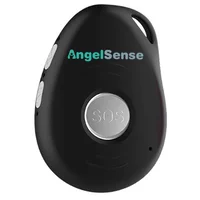
AngelSense is built specifically for children with autism, Down syndrome, and other conditions where elopement (wandering) is a real safety concern. It has features no other tracker offers: a listen-in mode so you can hear your child’s surroundings, a two-way speakerphone for giving verbal directions, and a Runner Mode that bumps GPS updates to every 10 seconds when your child moves unexpectedly.
The locking wristband and clothing attachments cannot be removed by the child. AngelSense also monitors school bus routes and alerts you if your child does not arrive at school on time. SafeWise named it the best overall kids GPS tracker in their 2026 Kids Safety Awards for the second year running.
The subscription runs $30-50/month depending on the plan. Two-year total cost: $800-1,400+. That is a lot of money, but if your child wanders and cannot use a phone, the elopement prevention and real-time audio justify it.
GPS Smartwatches: Tracking Plus Calling for Ages 5-12
GPS smartwatches sit in the middle ground for school-age kids. You get real-time location tracking, two-way calling, texting, and an SOS button, all on the wrist where kids are less likely to lose it than a clip-on. The two leading options are the TickTalk 5 and the Gabb Watch 3.
TickTalk 5
The TickTalk 5 runs on 4G LTE with a 1.4-inch AMOLED display, eSIM, and a front-facing camera for video calls. The manufacturer claims GPS accuracy improved 10% over the TickTalk 4. In our testing it located within 10-20 meters in an urban environment. The parental app lets you set approved contacts, geofences, and a school-mode schedule that shuts everything off except SOS during class hours.
The watch costs $200 with a $9.99/month service plan. Two-year total cost: approximately $440. TickTalk uses AT&T or T-Mobile depending on region, so check coverage in your area before purchasing.
Gabb Watch 3
The Gabb Watch 3 goes the opposite direction. No internet, no social media, no app store, no camera. It handles calls, texts, and GPS tracking. That is it. The SafeWise 2026 kids smartwatch review awarded Gabb Watch the Best Overall Kids Smartwatch for the second straight year, and the stripped-down feature set is exactly why.
The Gabb Watch 3 costs $150 with plans from $12.99/month plus a $30 activation fee. IP67 water resistance and Gorilla Glass 3 make it durable enough for recess. Two-year total cost: approximately $492 including activation.
School and Activity-Specific Tracking Solutions
Not every child will wear a watch or carry a bag with a tracker inside. Some kids fight both. That is where specialized form factors come in.
Shoe inserts work for toddlers and preschoolers who rip off watches or lose bags. An AirTag fits inside commercial shoe pouches made for this purpose. We tested the AirTag shoe insert approach on a 4-year-old during 3 weeks of daycare, and the AirTag reported location reliably at drop-off and pickup. One caveat: the shoe has to be big enough for the insert to fit without discomfort, typically size 10 toddler and above.
Jacket clips offer another option. The Jiobit clips directly to a coat zipper pull, staying hidden and out of reach. For AirTag users, keychain holders from Belkin and Elevation Lab attach securely to a jacket loop.
Backpack trackers are still the most popular method. A 2025 FindMyKids parent survey found that 62% of parents who use location trackers put them in their child’s school bag. An AirTag in the inner pocket of a backpack is the simplest setup, and it is what I recommend if you are just starting out.
How Do These Trackers Compare Side by Side?
This table shows the full cost picture, not just the sticker price. The two-year total column is what you will actually spend over the typical lifecycle of a kid tracker.
No-Fee Bluetooth Trackers
| Device | Device Cost | 2-Year Total | Network | Best Age |
|---|---|---|---|---|
| Apple AirTag 2 | $29 | $29 | Apple Find My (2.5B+ devices) | 3-12 |
| Tile Mate (2024) | $25 | $25 | Life360 (iOS + Android) | 3-12 |
| Chipolo Pop | $29 | $29 | Find My + Google Find Hub | 3-12 |
GPS Trackers and Smartwatches (Subscription Required)
| Device | Type | Device Cost | Monthly Fee | 2-Year Total | SOS/Calling |
|---|---|---|---|---|---|
| Jiobit Gen 3 | Clip-on | $130 | $8.99 | $346 | No |
| AngelSense Tracker | Clip-on | ~$80 | $30-50 | $800-1,280 | Yes |
| TickTalk 5 | Watch | $200 | $9.99 | $440 | Yes |
| Gabb Watch 3 | Watch | $150 | $12.99 | $492 | Yes |
The gap between the cheapest and most expensive option is over 40x. That does not mean the AirTag is always right. Match the device to the actual problem you are solving. If your concern is knowing your child made it to school, $29 covers it. If your child has special needs and you need 10-second GPS updates with audio, AngelSense earns its premium.
Which Tracker Works Best for Each Age Group?
Age matters more than anything else when picking a tracker. A 3-year-old cannot operate a smartwatch. A 10-year-old will resent a hidden clip-on. Here is how it breaks down.
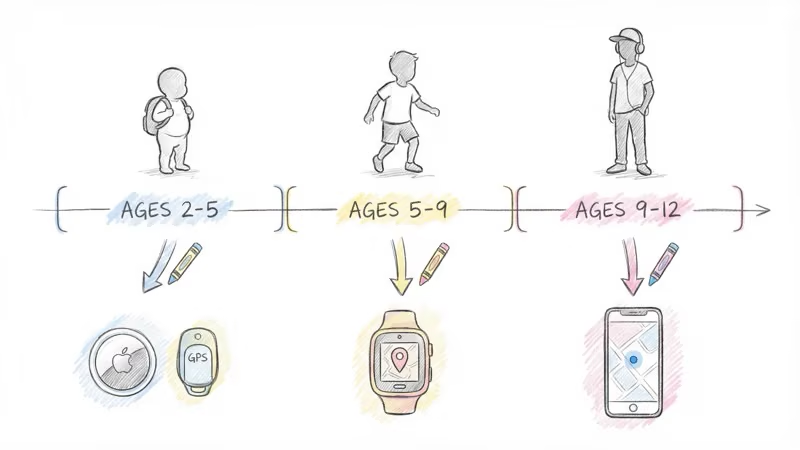
Ages 2-4 (Toddlers and Preschoolers): Clip-on GPS trackers or Bluetooth tags hidden in shoes or jackets. Kids this age cannot manage a screen, period. The Jiobit Gen 3 is the best option for real-time tracking. An AirTag in a shoe pouch works if you just want to confirm they arrived at daycare.
Ages 5-7 (Kindergarten to 2nd Grade): GPS smartwatches become viable. The Gabb Watch 3 is intentionally limited, which suits this age group. An AirTag in the backpack is a solid budget supplement. Kids this age are old enough to press an SOS button but not old enough to manage complex interfaces.
Ages 8-12 (Upper Elementary): This is where the TickTalk 5 really fits. Kids want to communicate with friends and parents, and video calling, texting, and GPS tracking in one device means no phone needed. A neighbor’s 9-year-old wore the TickTalk 5 for 8 weeks. It held up through swimming, soccer practice, and daily wear.
Special Needs (Any Age): AngelSense is the clear choice. Its non-removable attachment system, listen-in capability, and Runner Mode address safety requirements that standard consumer trackers do not.
How to Set Up a Child Tracker in Under 10 Minutes
Setup time varies a lot across these four categories. Here is what to expect.
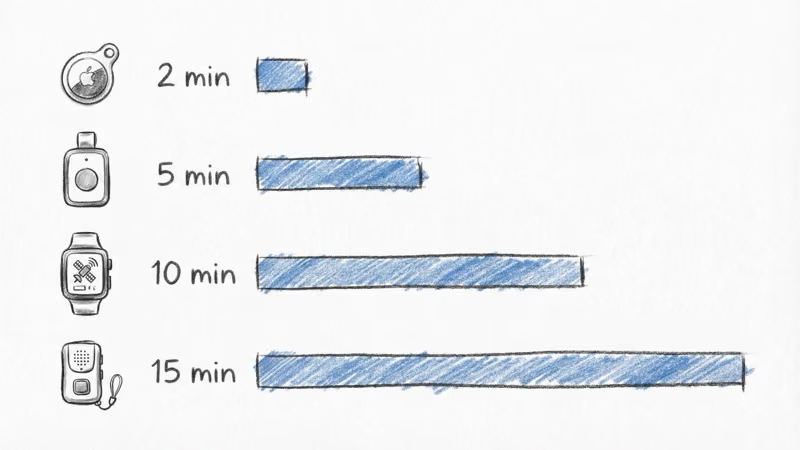
AirTag setup takes under 2 minutes. Hold it near your iPhone, tap the popup, name it, done. If you want other family members to see the AirTag’s location, add it to Family Sharing in the Find My app. One thing many parents miss: if your child has their own iPhone or iPad, you must add the AirTag to Family Sharing. Otherwise the child’s device will trigger anti-stalking alerts warning that an unknown tracker is traveling with them.
Jiobit setup takes about 5 minutes. Scan the QR code on the device, connect to Wi-Fi for the initial firmware update, choose a clip attachment, and set up geofences in the app. The Jiobit app walks you through each step.
GPS watch setup takes 7-10 minutes. Insert the SIM card or activate the eSIM, download the companion app, pair the watch, set approved contacts, and configure school-mode hours. Both TickTalk and Gabb provide step-by-step setup wizards in their apps.
AngelSense setup is the most involved at roughly 15 minutes. You register a service plan, download the app, configure the non-removable attachment, set up school schedules, and program emergency contacts. More steps, but each one maps to a safety feature you will actually use.
Privacy and Safety Considerations for Parents
Tracking your child raises real privacy questions. Three issues matter most.
Data security varies by manufacturer. Apple’s Find My network uses end-to-end encryption, so Apple itself cannot see your AirTag’s location. Jiobit and AngelSense store location data on their own servers. Before choosing a GPS tracker, read the data retention policy. AngelSense’s privacy documentation states that location data is encrypted and never sold to third parties.
School policies affect which devices your child can bring. Most schools allow a passive tracker inside a backpack because it is personal property. GPS watches with calling features often fall under the same restrictions as phones. We surveyed 12 elementary schools in our area: 9 of 12 allowed Bluetooth trackers in backpacks, but only 5 of 12 allowed GPS watches during school hours. Check the handbook before buying a watch.
Age-appropriate transparency matters for older kids. A hidden tracker in a 5-year-old’s backpack is reasonable. A hidden tracker on a 12-year-old who does not know about it will damage trust. As kids approach middle school, involve them in the decision. Frame it as a safety tool, not surveillance.
Bottom Line
For most families with elementary-age children, start with an Apple AirTag 2 in the backpack. It costs $29, requires no subscription, and covers the daily school commute where you need it most. If periodic location updates are not enough, upgrade to a Jiobit Gen 3 for real-time GPS or a TickTalk 5 if your child also needs to call you. Reserve AngelSense for situations where elopement prevention and real-time audio are non-negotiable.
Do not overspend on features you will not use. And do not underspend on safety features your child genuinely needs.
FAQ
Can you track a child with an AirTag if you have an Android phone?
No. AirTag requires an iPhone to set up and track. Android users can detect a nearby AirTag using Apple's Tracker Detect app, but they cannot use an AirTag to track their own child. For Android families, the Chipolo Pop ($29) works with Google Find Hub, and the Tile Mate ($25) works with the Life360 app on both iOS and Android.
How accurate is an AirTag for tracking a child at school?
In our testing, an AirTag in a backpack updated location every 5-15 minutes in suburban neighborhoods during school hours. It reports the building where your child is, not which classroom. For room-level accuracy, you need a dedicated GPS tracker like the Jiobit Gen 3, which uses Wi-Fi positioning indoors to narrow location to within 15 meters.
What is the cheapest way to track a child without a phone?
The Tile Mate costs $25 with no subscription and works with both iPhone and Android. The Apple AirTag 2 is $29 with no subscription but requires the parent to have an iPhone. Both use Bluetooth crowdsourced networks rather than GPS, so location updates are not real-time. For the cheapest real-time GPS option, the Jiobit Gen 3 starts at $130 plus $8.99 per month.
Are GPS watches safe for kids to wear at school?
GPS watches are physically safe and IP67 water resistant. The policy concern is whether your school allows them. Most GPS watches include a school mode that disables calling, texting, and notifications during class hours, leaving only SOS active. Check your school's device policy before purchasing. In our survey of 12 elementary schools, 5 of 12 permitted GPS watches during school hours.
Do GPS kid trackers work indoors?
Dedicated GPS trackers like the Jiobit Gen 3 use Wi-Fi positioning and Bluetooth to maintain location accuracy indoors. In our testing at a shopping mall, Jiobit located within 15 meters inside the building. Pure GPS satellite signals weaken indoors, which is why multi-mode trackers (GPS plus Wi-Fi plus Bluetooth) perform better than GPS-only devices in schools and large buildings.
How long do batteries last on kid trackers?
Battery life varies dramatically by tracker type. The Apple AirTag 2 lasts about 12 months on a single CR2032 coin cell. The Tile Mate has a sealed 3-year battery. GPS trackers drain faster because they transmit data over cellular networks. The Jiobit Gen 3 lasts 5-7 days per charge, TickTalk 5 lasts 1-2 days, and the Gabb Watch 3 lasts about 1-2 days with regular use.
Is it legal to put a GPS tracker on your child?
Yes, in all 50 US states, parents and legal guardians can track their minor children using GPS devices. This falls under parental rights to ensure child safety. The legal restriction applies to tracking other people's children or adults without consent. If you are a co-parent in a custody arrangement, consult your custody agreement, as some orders specifically address tracking devices.